
Commercial Roof Repair in the Gateway Village Center Area
Home / Service Areas / Gateway Village Center Area
Can roof work proceed while people continue using the building? In the Gateway Village Center Area, a flashing repair and a larger removal project create different access, protection and closure decisions. We review the actual property, reported condition and available roof construction before explaining the work and the practical arrangements it needs.
This commercial and employment district lies around Williams Field Road; Chandler-Gilbert Community College is a nearby landmark, not the boundary of the service area. Identify your building and authorized contact. We can also review a separate roof in the Mesa Gateway Area or the Williams Field Road commercial corridor, with findings and handback conditions recorded for each property.
Where does the repair investigation begin?
Begin with the reported condition and the spaces it affects. Tell us where water appeared, when it was noticed and whether any component work or earlier roof repair preceded it. We compare that account with accessible exterior details. The nearest penetration may be relevant, but it should not become the assumed cause without examination. A roof seam, an outlet or a wall transition can direct water toward a different interior location.
Our findings distinguish what can be seen from what needs another check. An open connection can support a defined repair recommendation, while an uncertain entry route may require further investigation. Commercial roof inspection organizes that information before deciding on the scope. You should receive a description of the observed defects and the remaining question, rather than a repair area selected because it is easiest to reach.
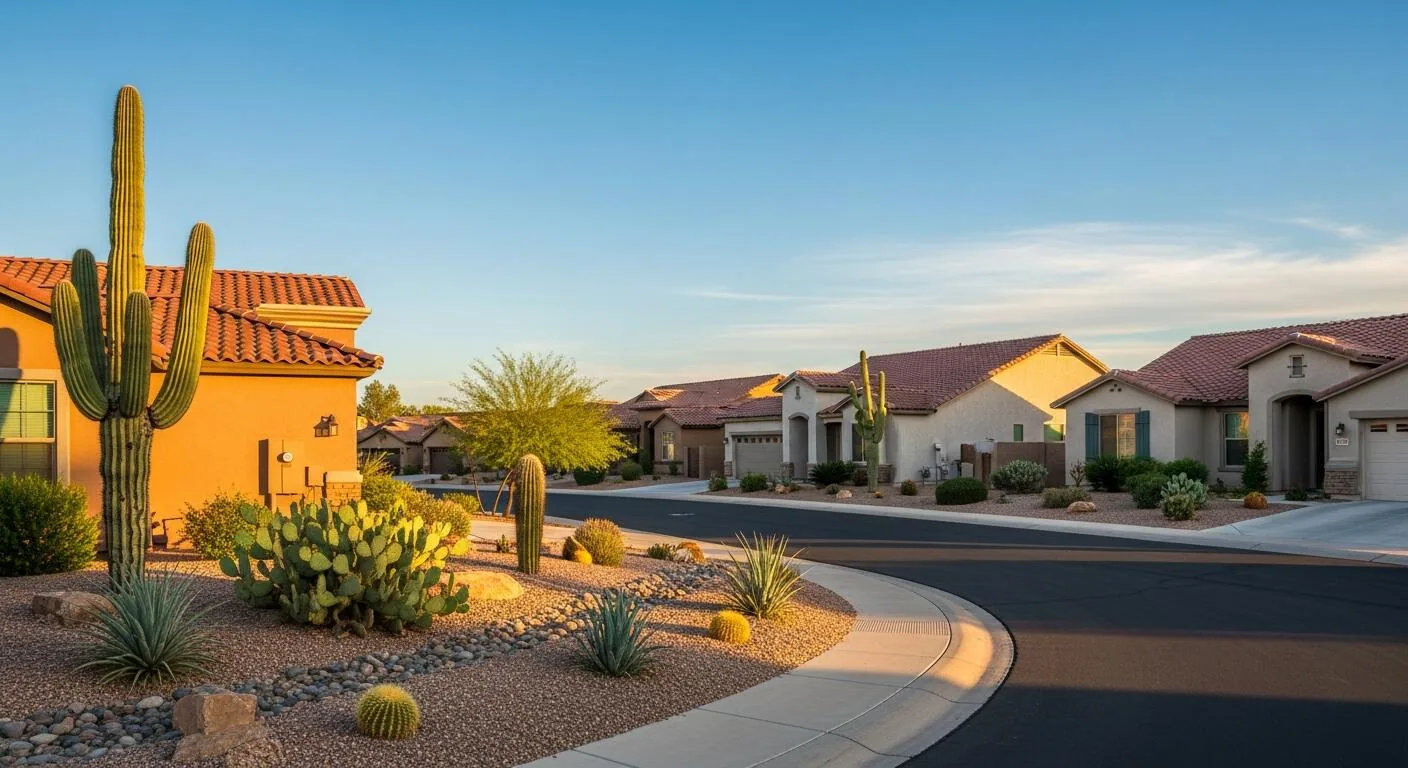
Plan roof work in the Gateway Village Center Area
Request a roof review and written findings for your Gateway Village Center Area property. We explain the repair, access arrangements and completion conditions so you can authorize practical work for the building.
Related Roofing Work
What will the crew do to the damaged detail?
A repair should explain the construction being changed. At a membrane seam, we assess the adjoining surface and identify a compatible reconnection method. Around a curb, damaged flashing may need rebuilding through the vertical transition and its termination. A puncture repair requires suitable surrounding material and support. These are different operations, with different preparation and protection needs. A general instruction to seal the roof does not let an owner compare them meaningfully.
If a connection belongs partly to equipment or another building component, identify who handles that task before the roof detail is opened. We explain our roofing boundary and what must be ready for us to complete it. Skylight and penetration flashing repairs can be planned with the component representative where necessary. The owner then knows which tasks are included in the roof amount and which coordination still needs to be arranged.
What needs checking below the surface?
The repair depends on the construction it will connect to and the layers that will remain. When deterioration or moisture is suspected beneath a defect, discuss the examination needed to establish a suitable repair boundary. Sound-looking covering does not answer every question about insulation or support. We describe the uncertainty and explain how additional findings could affect the work. That gives you a reason for further investigation before deciding to retain damaged material.
Where several roof areas are distressed, a broader assessment can help compare isolated repairs with recover or replacement work. The recommendation should connect the roof findings to that larger decision. Retained layers, attachment and drainage all deserve review as applicable to the proposed assembly. Roof insulation and cover board work should identify any removal or replacement the scope requires. Your approval can then account for the material below the finish, not only the surface you see.
What to Expect
How is the occupied area protected?
Your building representative supplies the requirements for occupied spaces, permitted work times and access. We use those instructions to plan the roofing operation, including protection below and material handling. Discuss whether cleaning, removal or component work will create dust, debris or an exposed opening. The practical protection should fit those tasks. A promise to minimize disruption is useful only when the owner understands what will actually happen around the work.
For a wider project, occupied building reroofing needs a manageable work area and a clear plan for temporary closure. Agree on who receives a notice before an opening is made and who can respond if conditions change. If your scope includes another building near Eastmark, keep its occupancy instructions and schedule separate. Coordinated management can make the review simpler without treating different buildings as if they have identical requirements.
What must be ready before removal starts?
Materials, access and related component arrangements should be settled before the covering is opened. We explain the intended size of the work area and the closure planned for a pause or the end of a shift. The owner should know the condition in which the affected area will be returned. If another operation is delayed, discuss how the roof opening will be secured and who is responsible for the next step.
A concealed condition can also change the practical work area. Define how we will document newly exposed damaged material and present the proposed correction to the authorized representative. That procedure lets the owner assess an additional request while the crew maintains a suitable interim condition. It also avoids turning a short repair into wider removal without a clear decision. The approved scope and the change procedure should work together when the initial examination cannot reveal every layer.
What explains the amount and the final handback?
Compare the repair inclusions, access equipment, protection, preparation and concealed-material assumptions before comparing totals. A scope that rebuilds flashing and replaces damaged underlying material differs from a surface-only treatment, even if both are called a leak repair. Ask us to explain those differences in line items and to identify any separate component task. That makes the amount easier to authorize and any later addition easier to assess.
At completion, request the location of repaired details, useful photographs and applicable written warranty terms. Hidden repairs should be documented before they are covered when that record is important to explaining the finished work. We identify an unresolved roof or component concern in the handoff rather than letting it disappear from the discussion. With written findings and a clear completion record, the next person managing the building can understand what was done and where further attention may be needed.
Before scheduling, confirm the permitted roof route, staging point and spaces that need protection. A planned flashing repair may be completed in a short visit, while removal can change the closure sequence and the area unavailable to occupants. We explain the expected work footprint and the condition that will be left at each pause so the property contact can coordinate building use with the actual roofing operation.
Questions Owners Ask
Can people remain in the building during a repair?
Often the scope can be arranged around occupancy, but the particular operation and building requirements need review. Explain affected rooms and access limits so we can plan protection, notifications and the work area.
Why do you ask about earlier equipment work?
Recent component work may help explain a damaged transition or the timing of a water report. We examine the roof condition and identify any related task that needs coordination before rebuilding the roofing connection.
Will every repair need material removed below the membrane?
Removal depends on the findings and the construction needed for a sound repair. If retained layers are uncertain, discuss an appropriate examination and how newly exposed damage would be documented and authorized.
How do we authorize a concealed-condition change?
Name the representative who can review documented findings and the proposed scope adjustment. Agree on that process beforehand, including how the opening will be secured while a decision is made.
What belongs in the building roof file?
Retain the approved scope, repair locations, useful photographs, applicable written warranty terms and any excluded concern. Those records help a future manager follow the work without relying on an informal recollection.