Storm Damage Roof Repair in Gilbert, AZ
Home / Commercial Roofing Services / Storm Damage Roof Repair
Which roof conditions were observed after the event, and what supports the proposed correction? A Gilbert asset manager needs that distinction before approving a storm repair list. Timing can prompt an inspection without proving the cause of every defect found. We would locate the damaged construction, review relevant prior records and develop the work from the current findings.
The repair decision should identify the assigned roof area and the reported problem. Obtain photographs and earlier correction information where available. Assess the accessible sheet, edges and components associated with the report. Temporary protection may be needed at an exposed position. Keep that response separate from the permanent membrane and supporting work that follows the material assessment.
What is recorded before the scope is developed?
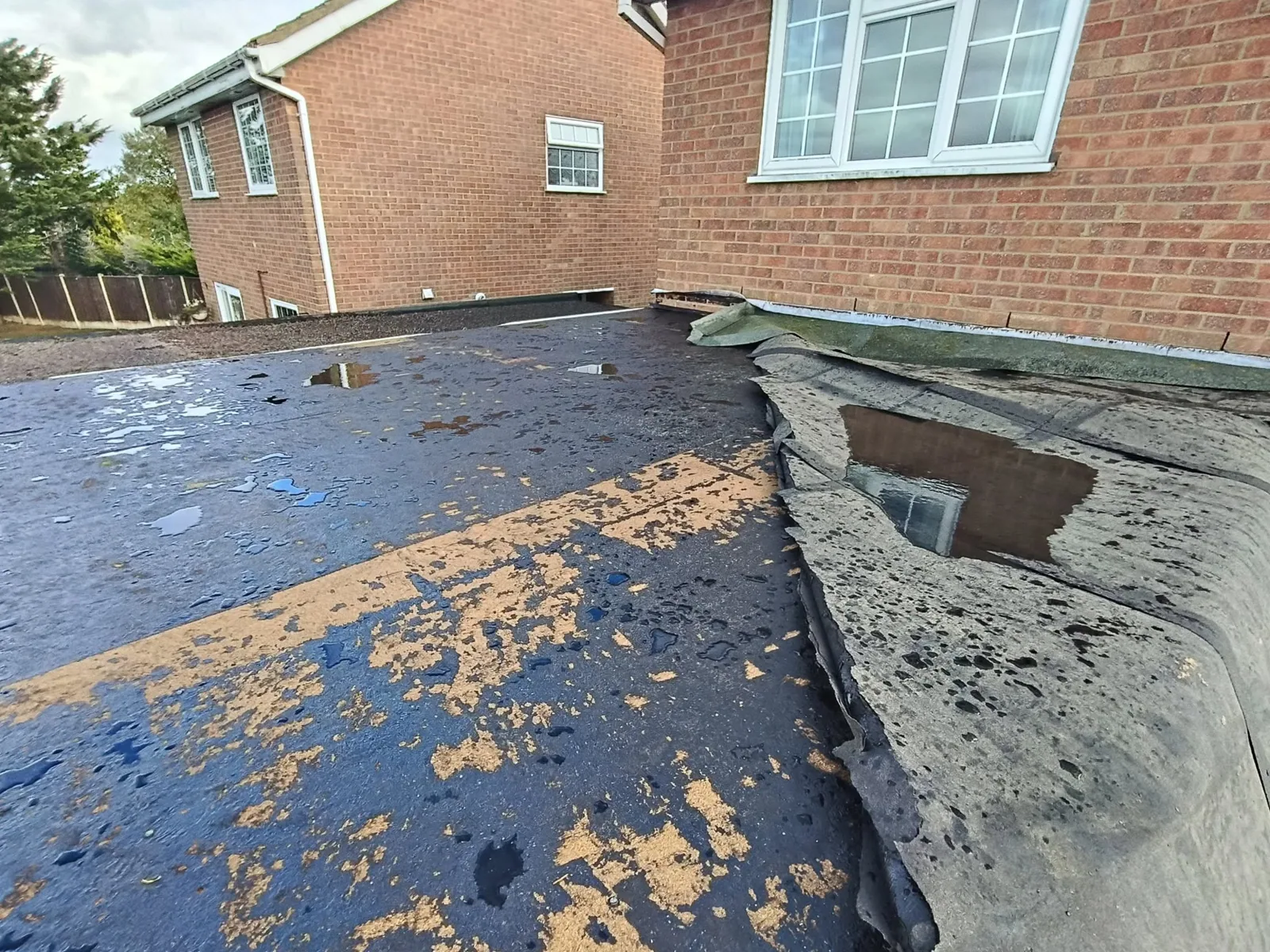
We preserve useful observations at identified roof positions. Locate displaced material, damaged sheet and affected components where they are found. Review neighboring construction that helps explain the condition. A photograph of loose metal should show its position and relationship to the adjoining membrane, rather than become an isolated image with no useful repair reference.
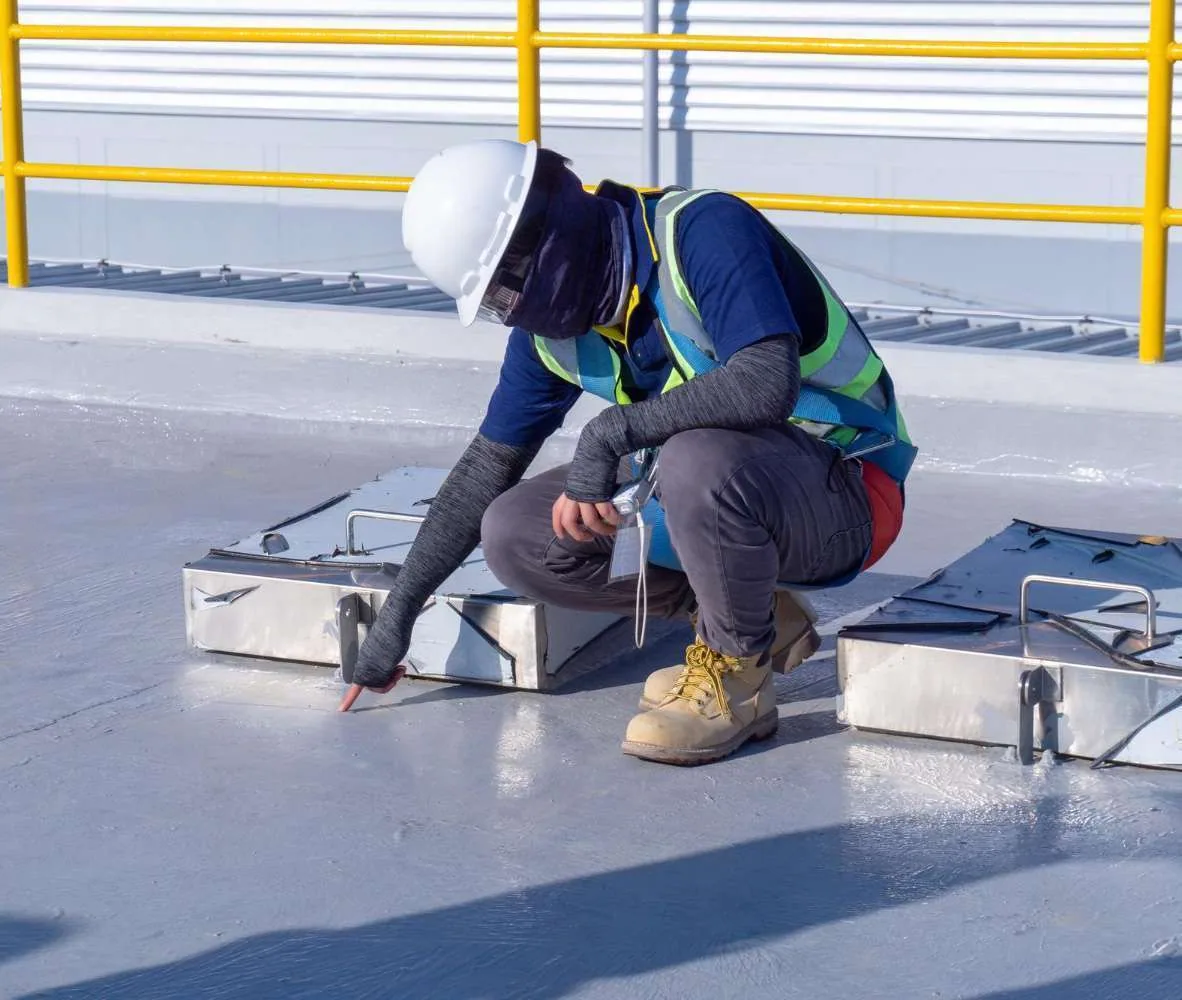
A post-event assessment of the assigned roof should identify what was examined and what remained inaccessible. Distinguish reported conditions from observations made during the visit. Keep the recommendation beside its supporting finding. The owner can then follow the developed correction without assuming that every item on a post-event list has the same construction basis.
For a requested Gilbert Town Hall damage review, confirm the building area and reported positions with the representative. Town Hall is at 50 East Civic Center Drive. We would review available prior photographs and assess the assigned roof. The account would identify the material findings supporting the proposed work there.
Build the repair scope from the observed damage
Bring the reported roof positions and available earlier records. We will review the current construction and explain the response and permanent correction scope.
Related Roofing Work
How do earlier records affect the finding?
Prior photographs and repair notes can help establish what was recorded before the event. We review them against the corresponding current positions. Locate existing patches and previously identified concerns. Keep the comparison within the information actually available. An older image that does not show a detail cannot settle whether that particular condition was absent at the time.
A condition account with dated references should preserve both the earlier information and the new observation. Identify material changes where the evidence supports them. Where the cause remains uncertain, state the construction finding and the further assessment needed. The repair scope can address damaged material without claiming a cause beyond that record.
Repeated problems deserve their own review. A previously repaired curb or seam may have another supporting defect or an unsuitable retained connection. We would inspect the actual detail before selecting another correction. The date of the reported event does not remove the need to understand why the permanent repair should take the proposed form.
Which component corrections precede the membrane?
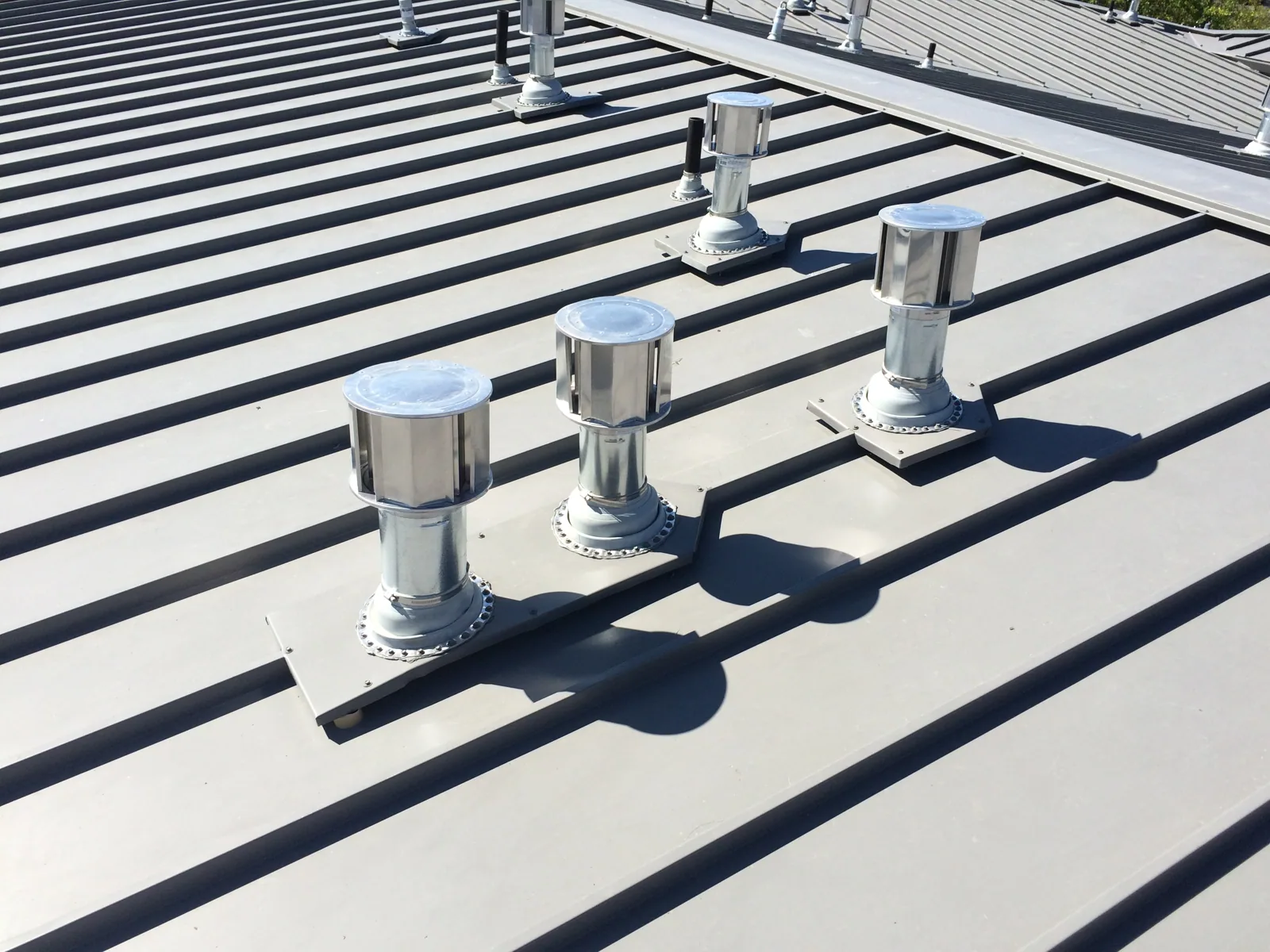
Locate loose or damaged supporting parts at the affected edge, wall or curb. Identify the work required to restore the component before roofing connects to it. The permanent sheet repair should have a resolved supporting condition. Covering the membrane beside a loose component does not define how that component itself will be corrected.
A developed edge and coping repair should identify affected metal, supporting attachment and membrane transitions. Review retained material at the adjoining connection. Keep the selected product detail with its position. Where another trade or design review is required, locate that task before final installation rather than leave it inside a general storm-repair allowance.
For requested Southeast Regional Library damage work, obtain the designated roof and relevant records through the representative. The address is 775 North Greenfield Road. We would examine accessible edge and component conditions at that assignment. The recommendation would distinguish the preceding supporting correction from the membrane detail developed around it.
We also locate the component revision in the completion reference. Another crew should be able to identify the corrected supporting part before developing a later roof connection.
Where retained TPO receives a repair, identify the product and assess its sheet beside the damaged position. The permanent detail follows that material decision.
What to Expect
Where is temporary protection needed?
We assess exposed material and current conditions before selecting interim action. Locate the protected area and record the material used there. Identify remaining investigation and permanent work. The asset manager should understand the purpose of that response without treating it as a completed repair of the underlying damage.
An urgent response at an exposed position should preserve the observed condition and limitations of the assessment. Confirm arrangements through the representative and coordinate related building tasks with their responsible parties. A roofing response and equipment or interior correction may be separate operations. Keep those responsibilities visible in the work account.
Review the temporary position again when developing the permanent scope. Identify the retained membrane, previous patches and material beneath the selected connection. Where exposure reveals further damage, document it before revising the correction. The later quantity should follow the construction found rather than simply carry forward the original response boundary.
What belongs in the permanent repair record?
Define each correction by roof position, affected material and selected detail. Include removal or supporting repair where needed. Locate the preparation and permanent connection separately from the earlier temporary action. The owner should receive an understandable account of the work being installed and the findings that changed its boundary.
A roofing documentation package for the owner can preserve useful observations and developed quantities for review with the appropriate parties. Describe the construction findings without deciding coverage. The permanent scope still needs its assessed material basis, whether another party is reviewing the project documents or the owner is arranging work directly.
For Williams Field Road Commercial Area, establish the actual building and affected roof through the representative. Review the reported problem and available prior information for that assignment. We would locate observations and develop permanent corrections from the construction assessed there, with broader recommendations based on any additional findings.
Keep completed products and repair positions with useful photographs of supporting correction. Locate unresolved investigation and recommendations outside the finished scope. A later visit should be able to identify which material was corrected and which condition remains under review. Preserving those distinctions helps the owner follow subsequent proposals without rebuilding the project history from a collection of general invoices.
After a severe wind or hail report, match any visible marks to the roof assembly and the area exposed to the weather. Inspect perimeter metal, seams, penetrations and rooftop equipment supports for movement or openings, then compare interior reports with the exterior findings. A storm date alone does not establish which roof components were affected. A location-based photo record helps the owner separate confirmed repair work from conditions that need another inspection or documentation before the final scope is set.
Questions Owners Ask
What should a Gilbert post-event roofing assessment establish?
Locate the observed damage and construction supporting the recommendation. Review relevant prior records without assuming timing proves the cause of every defect.
How should earlier photographs be used after roof damage?
Compare corresponding positions and preserve what each record actually shows. A missing detail in an earlier image does not establish its condition before the event.
Why separate edge correction from membrane repair?
Supporting metal or attachment may need its own work. Develop the permanent roofing connection around the resolved component condition.
What should temporary protection leave in the record?
Identify the protected position, action taken and assessment limits. Keep the permanent material correction and remaining investigation separate.
What should the owner receive after storm-related roof work?
Keep installed products and completed positions with the findings behind them. Distinguish unresolved cause or material questions from finished repair work.