
Spray Polyurethane Foam Roofing in Gilbert, AZ
Home / Roof Systems / Spray Polyurethane Foam Roofing
Is the requested work a coating renewal, a foam repair or a new roofing assembly? A Gilbert owner needs that distinction explained before comparing spray-foam proposals. We would examine the assigned roof and locate the construction concern. The protective surface, foam beneath it and retained support each need review where they affect the proposed correction.
Bring current material information and reported concerns into the assessment. Identify old repairs and areas where the surface has changed. The recommendation should explain what is retained and what needs preparation or removal. Where concealed material needs investigation, define that task separately rather than treat a new surface application as a complete account of every underlying roof condition.
What is the foam being applied to?
The Spray Polyurethane Foam Alliance describes roof-deck assessment and preparation before roofing foam is installed. It identifies debris removal and a primer where appropriate within that preparation. We would develop the receiving condition for the selected assembly, using the applicable material directions and actual findings at the assigned roof.
Review the existing surface and layers proposed for retention. Locate unsuitable material where examination establishes it. Identify correction before foam installation. The crew needs the developed supporting condition and preparation task rather than an assumption that any retained roof can receive the same new work.
Our assessment before foam installation should describe accessible findings and supporting questions requiring another task. Preserve their roof positions. The owner can then understand why preparation belongs at one area and why another condition needs removal or further examination before the new assembly is developed.
For foam-roof planning requested at Gilbert Town Hall, establish the particular roof with the representative. Keep 50 East Civic Center Drive with that building reference. We would examine its receiving construction and develop the selected preparation for the assigned work area before recommending the foam arrangement.
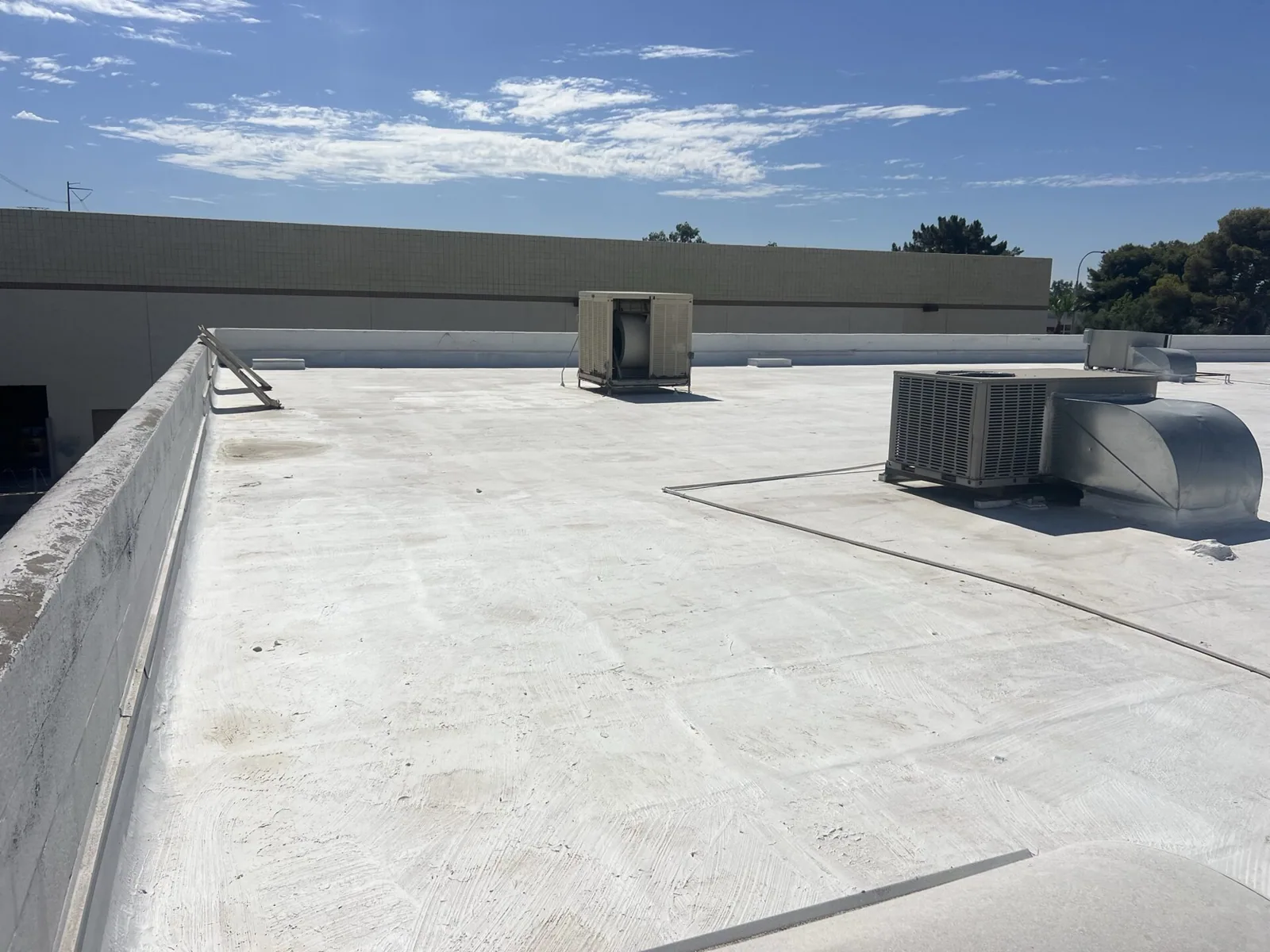
Define the foam correction and protective covering
Share the affected area and existing material information. We will examine the roof and explain repair, preparation and permanent-covering decisions.
Related Roofing Work
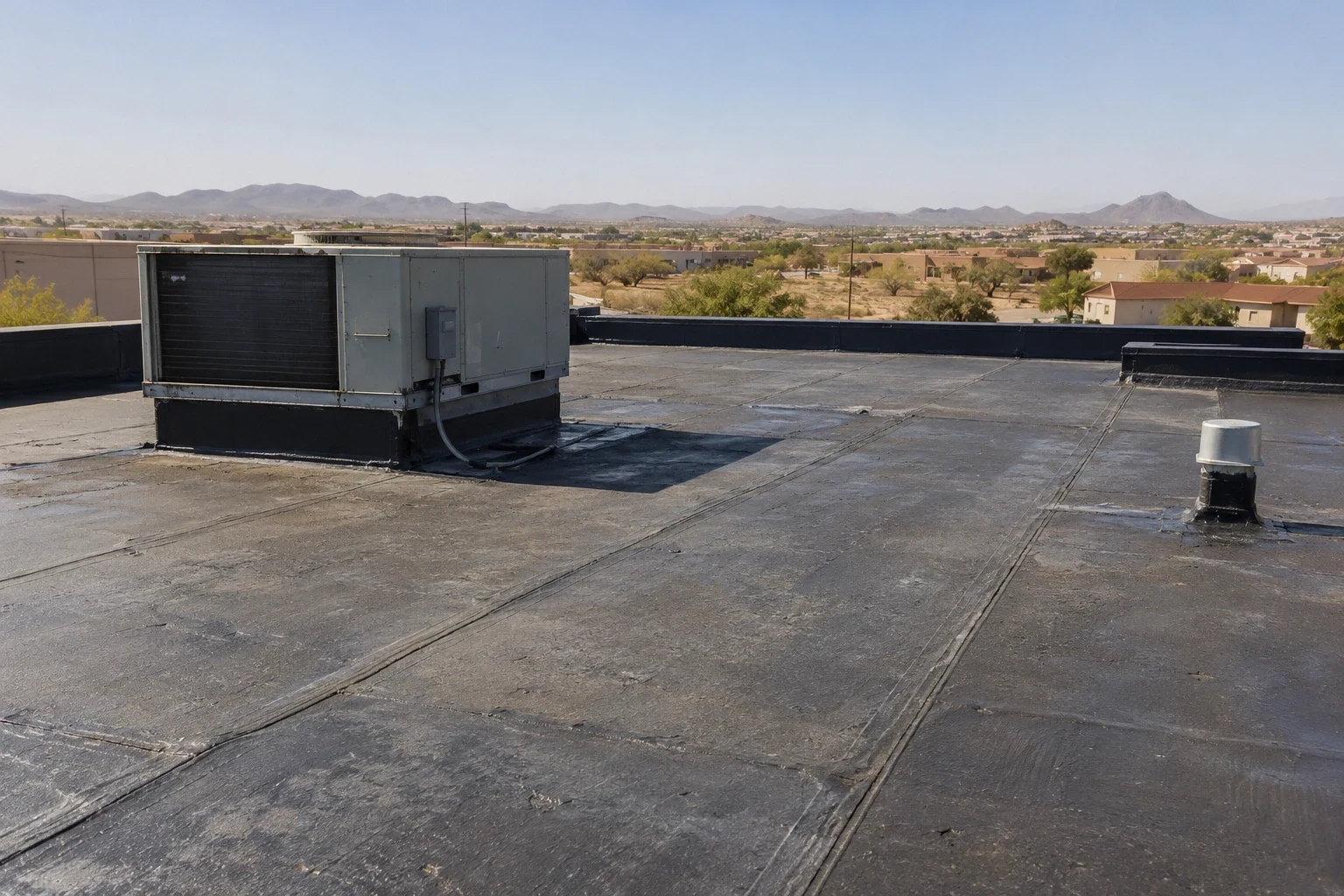
How is the protective covering selected?
The Alliance identifies a protective covering as part of an SPF roofing system, addressing wear, ultraviolet exposure and weathering. It describes several coating categories among the available coverings. The selected roof needs its particular protective material developed with the foam, rather than an unspecified finish added to an otherwise complete proposal.
A selected silicone covering should follow its actual product and receiving-surface requirements. Identify preceding foam correction and preparation where necessary. We would locate those tasks in the scope and explain the permanent construction intended at that area. A coating category alone does not establish the condition of existing foam below it.
Consider an acrylic covering option through its own material directions and application decisions. Compare the developed work rather than assume two finishes are interchangeable because both appear in a foam-roof proposal. The owner needs the preparation and correction differences alongside the selected materials.
Keep the foam and protective-covering information together in the roof record. Identify the product arrangement and roof positions where it is installed. A later maintenance task should begin with the actual materials present rather than infer the covering from a surface photograph or the original project name.
What must be corrected before a surface renewal?
Examine the protective surface and underlying foam where a renewal is considered. Locate damage, earlier patches and areas needing further investigation. We would develop the repair required before the new covering is applied. The proposal should distinguish that correction from the surface application so the owner understands what construction the renewal retains.
A developed restoration scope needs the particular product and receiving condition assessed. Identify preparation and any material removed at the affected area. Keep supporting questions visible where examination has not resolved them. A broad renewal description should not imply that every foam or retained-layer concern is corrected by the finish.
At Southeast Regional Library, a requested foam-renewal review should identify the examined roof through its representative. Use the address of 775 North Greenfield Road to locate that building reference. We would review the actual protective surface and affected foam there before developing preceding correction and the proposed renewal materials.
Preserve useful removal and exposure information where the work reveals construction beneath an old repair. Record its location and the selected correction. The completed account should identify what was changed at that position rather than treat all adjoining foam as though it received the same investigation.
What to Expect
How are details developed around changed components?
Review walls, curbs and penetrations beside the proposed work. Establish the final supporting face and component dimensions that govern the permanent roofing connection. Identify component repair or alteration required before the foam and covering tasks proceed. We would develop those relationships together rather than leave the detail to a general instruction to spray around the equipment.
A connection requiring flashing correction should identify retained materials and the selected permanent arrangement. Locate supporting correction separately when another party supplies it. The crew needs the finished component condition before installing the roof connection there.
Consider drainage openings and the finished roofing relationship at those positions. If the proposed work changes a component or receiving surface, develop that task and its responsible party. The owner should understand how the permanent roof detail meets the final construction, especially where an earlier patch or altered curb affects the area.
Keep any revised component information with the current installation instructions. A change in dimensions or supporting geometry should prompt review of the affected detail. We would resolve that connection before applying the permanent materials rather than carry an earlier assumption into the finished roof.
What distinguishes repair from a new foam assembly?
Define the work boundary and selected construction for each option. A repair may retain the surrounding roof and correct a particular affected area. A new assembly needs its receiving construction and protective covering developed for the assigned roof. Explain those task differences so the asset manager can compare the actual work included.
Where a removal alternative is being considered, identify the exposed construction and the subsequent permanent work. Keep investigation with its purpose where the supporting condition remains unresolved. We would connect the permanent material selection with the findings rather than use one roof-system name to hide the decision about retained construction.
For Williams Field Road Commercial Area, confirm the assigned building through its representative. We would examine its actual materials and develop correction or new roofing for the requested area. Preserve that location reference through the proposal so the work addresses the same construction reviewed.
What should the owner retain for later maintenance?
Record the installed foam and covering arrangement with the corrected roof positions. Identify preceding material removal and component work included in the project. Keep useful exposure information where it explains the permanent correction. A later crew should understand the materials present and the boundaries of the work already performed.
Review finished details against the selected product and assembly requirements. Revisit temporary conditions that preceded installation. Separate additional recommendations from completed construction. The final account should give the owner a useful starting point for subsequent assessment without treating every unexamined retained area as part of the finished repair.
Questions Owners Ask
What should a Gilbert spray-foam roofing proposal distinguish?
Separate protective covering, foam correction and receiving construction. Develop preparation and permanent materials for the actual work area.
Why assess the receiving surface before new roofing foam?
The assembly needs a developed supporting condition. Locate unsuitable retained material and required preparation before installing the selected foam.
Does a coating renewal correct all existing foam conditions?
Underlying concerns need examination and defined repair. Keep preceding correction separate from the protective-surface application.
How should altered equipment affect foam-roof details?
Establish final component geometry and supporting work first. Develop the permanent roofing connection for that finished condition.
What belongs in the completed foam-roof record?
Keep installed foam and covering information with roof positions. Record preceding correction and separate remaining recommendations from finished construction.