
Silicone Roof Coatings in Gilbert, AZ
Home / Roof Systems / Silicone Roof Coatings
What construction will the silicone coating adhere to after preparation is complete? That question should be clear in a Gilbert restoration proposal. We would examine the retained surface, identify earlier materials and develop preceding repairs. The owner needs to understand the receiving roof and detail treatment before the proposed coating is priced as permanent work.
Start with the roof assignment and reason restoration is being considered. Review reported leaks, old patches and damaged components. Identify where the surface can be assessed and where supporting material needs investigation. A new coating should be connected with those findings rather than described as an unexplained solution for every roof concern below or beside it.
How does adhesion assessment guide the proposal?
GAF's silicone-over-metal guidance includes an adhesion test in its roof qualification steps, alongside reviewing a clean, dry surface. That assessment belongs before the main application. We would follow the particular selected coating directions and locate the receiving materials being considered. A surface with old patches or previous coating may require a different preparation decision from the adjoining roof.
Identify the areas represented by the assessment and keep useful results with their positions. Where the receiving material changes, review the applicable preparation and selected product requirements. The owner should know which task establishes the proposed connection rather than assume one general product name settles adhesion at every retained surface.
Compare an acrylic restoration option through its own material directions and preparation. Develop the work for each selected product before comparing the scope. The construction beneath the finish remains part of that decision, including old repairs and supporting concerns that require correction.
For silicone-restoration planning requested at Gilbert Town Hall, confirm the particular roof through the representative. Use 50 East Civic Center Drive for that building reference. We would examine its retained surface and earlier repairs before developing the coating preparation and adhesion review for the assigned area.
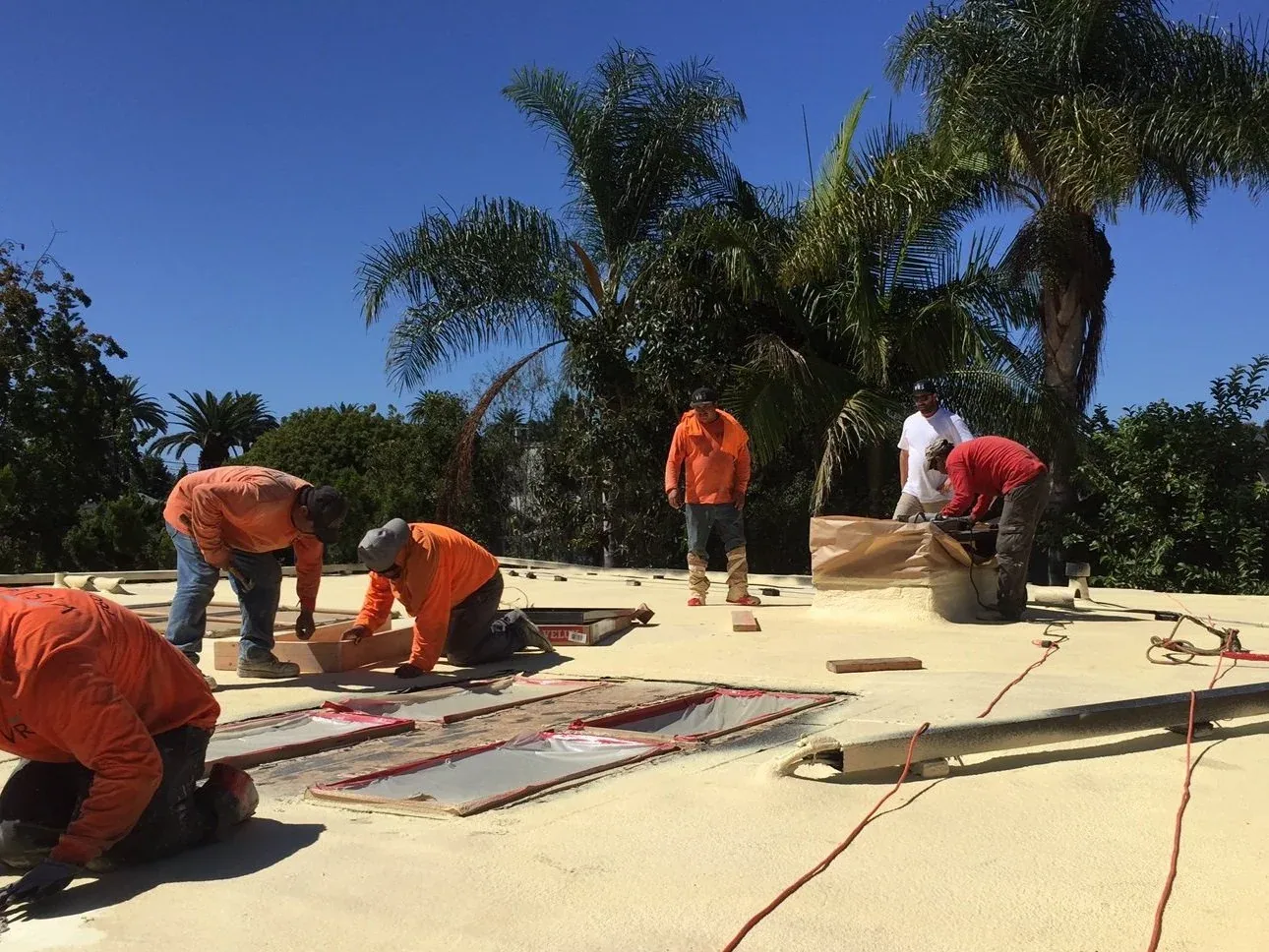
Review adhesion and repairs before the silicone finish
Bring the roof history and affected areas. We will examine receiving materials and develop the preparation and detail work behind the restoration proposal.
Related Roofing Work
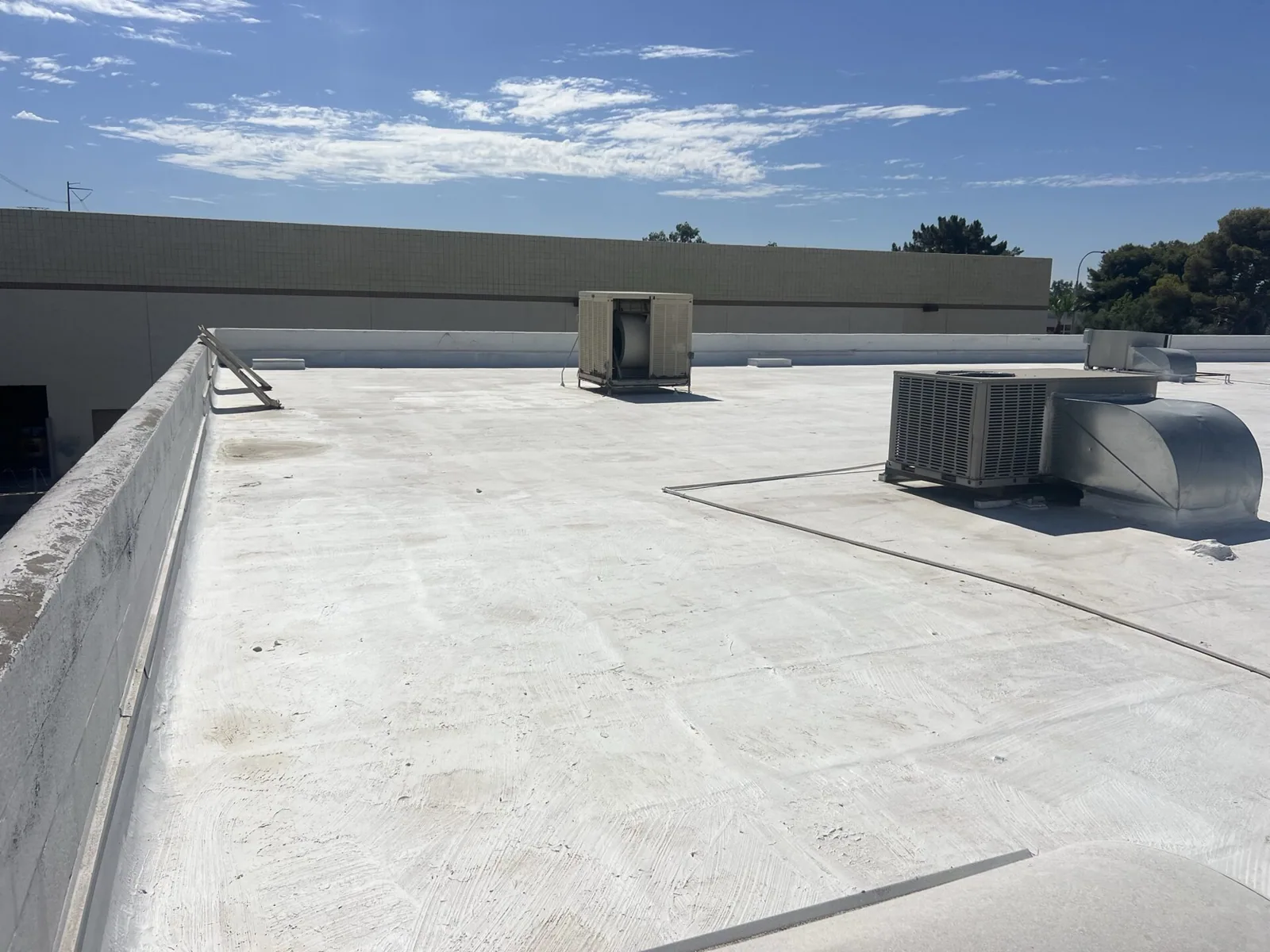
Which repairs precede the silicone application?
Locate damaged roofing and component connections during the examination. Develop their permanent correction before treating the field surface. The proposal should show those tasks separately so the asset manager can understand what construction the coating retains and what material must be changed first.
Our restoration repair and preparation scope should identify the actual receiving material. Review old patches, previous coatings and affected details. Where removal reveals another condition, record its position and resolve the selected correction before applying new material over it. A broad preparation allowance should not hide that construction decision.
GAF's metal-restoration steps identify sheet-metal repair and loose or missing fastener correction before later coating tasks. Apply such decisions through the selected roof and product arrangement. We would examine the actual component condition and locate the required work rather than imply that silicone application itself corrects an unsuitable panel or supporting connection.
Keep concealed-layer questions separate where surface examination cannot settle them. Define investigation and subsequent correction where the findings affect restoration suitability. The permanent scope should explain the decisions established by the review and the particular task required before an unresolved area can be included.
How are seam and fastener treatments specified?
Identify the roof construction at each affected joint or fastening area. Review the selected product directions for its detail treatment. The crew needs a particular instruction for that arrangement rather than a blanket order to coat every seam identically. A membrane joint and a metal-panel connection require their own examined material context.
A standing-seam roof being considered for coating should have its actual profile established. GAF's metal guide distinguishes treatment according to seam construction. We would review the selected detail and retained materials before defining the permanent treatment. Keep panel or attachment correction separate where it precedes that task.
At Southeast Regional Library, a requested silicone-detail assessment should identify the assigned roof with its representative. Place 775 North Greenfield Road beside that building reference. We would examine actual seams and retained materials there and develop the treatment required for the selected coating arrangement.
Preserve useful preparation and detail information by roof position. If the correction removes an old patch, record the retained construction exposed at that boundary. A later crew should be able to understand the finished treatment without mistaking every earlier repair for work performed during the current restoration.
What to Expect
What changes at curbs and drainage openings?
Review supporting faces and final component dimensions where they govern the coated detail. Identify preceding component work and develop the permanent roofing connection. The field finish should be coordinated with those transitions rather than specified as an upper surface with no account of its boundary at a wall, curb or drain.
A detail needing flashing correction should locate the retained material and selected repair. Keep supporting alteration separate where another party provides it. We would develop the treatment for the final component so the crew does not apply the permanent material to an outdated geometry carried over from preliminary planning.
Review drain and scupper construction where a reported concern affects restoration planning. Locate obstruction, component damage and the roofing connection as distinct conditions. Develop correction from the examined findings rather than use the coating choice as a substitute for every drainage task.
Keep the final receiving condition with the selected product instructions. A changed component or newly exposed material should prompt review of the affected treatment before application. The owner needs the construction basis for that decision and the responsible task that enables it to proceed.
How should the restoration be compared with removal?
A removal option needs its own developed assembly and supporting work. Identify what is removed, which construction is retained and the permanent details that follow. Compare those tasks with the restoration scope. We would explain the preparation and correction differences rather than present two prices as though they describe the same roof work.
For Williams Field Road Commercial Area, confirm the actual building and assigned roof through the representative. We would examine the surface and relevant details there before developing restoration or a removal alternative. Preserve the location reference through the recommendation and subsequent work instructions.
Keep installation conditions and preparation decisions with the specified product directions. Record finished treatment and useful preceding correction by roof position. Separate additional recommendations from completed restoration. A later maintenance review should begin from the installed material and its examined construction rather than infer the entire scope from the new surface appearance.
A silicone restoration begins with confirming the existing roof and prior coating layers. Test or otherwise verify that the selected material can bond to the prepared surface, then repair seams, blisters, penetrations and damaged substrate before applying the field coat. The specification should state preparation, coating coverage, reinforcement at details and termination requirements. Ponding conditions deserve separate attention: coating a low area does not correct a drainage problem unless the design includes a supported change to that roof geometry.
Questions Owners Ask
What should a Gilbert silicone-coating proposal establish?
Identify the receiving surface and selected product. Develop adhesion assessment, preceding repair and permanent detail treatment before the field application.
Why review prior patches before silicone restoration?
Earlier materials may change preparation and the treatment boundary. Examine them before selecting the permanent coating connection.
Does silicone application correct damaged metal or fasteners?
Preceding component correction needs its own scope. Review the actual construction and complete required repair before the selected treatment.
How should seams be treated in a silicone-coating scope?
Specify the detail for the actual roof profile and selected product. Avoid assuming that every joint receives an identical treatment.
What should remain after the silicone restoration?
Keep installed product and detail information with roof positions. Record useful preceding correction and separate remaining recommendations from completed work.