
Roof Recover and Overlay in Gilbert, AZ
Home / Commercial Roofing Services / Roof Recover and Overlay
What would the new roof leave underneath it? That is the starting question when a Gilbert asset manager considers a recover. Adding another assembly can reduce removal, but the retained construction becomes part of the new roof decision. We would assess its material condition, support and finished detail relationships before developing an overlay proposal.
A recover comparison should identify the existing roof area and the reason new roofing is being considered. Review records and previous repairs. Locate the construction that would remain beneath the selected assembly. Then develop the preparation, supporting correction and permanent connections. The owner needs to understand what is being retained, why it is suitable and which findings could change that recommendation.
What is the condition of the retained assembly?
We inspect the accessible roof and review the information relevant to the assignment. Locate surface damage, old patches and supporting concerns. Identify where further investigation is needed beneath the membrane. A worn-looking surface does not by itself establish that everything below it can support the proposed work, or that the entire roof needs removal.
An appropriate moisture investigation can guide additional assessment. Interpret thermal findings with the assembly and conditions in mind, and confirm material concerns where necessary. A suspected pattern should lead to an investigation position, not an automatic overlay boundary. The owner should receive the conclusion and the construction finding supporting it.
For a requested Southeast Regional Library roof at 775 North Greenfield Road, establish the designated work area through the representative. Obtain records of the existing assembly and previous corrections. We would assess retained material for the proposed recover there. Any recommendation would locate supporting repairs and additional investigation beside that particular roof designation.
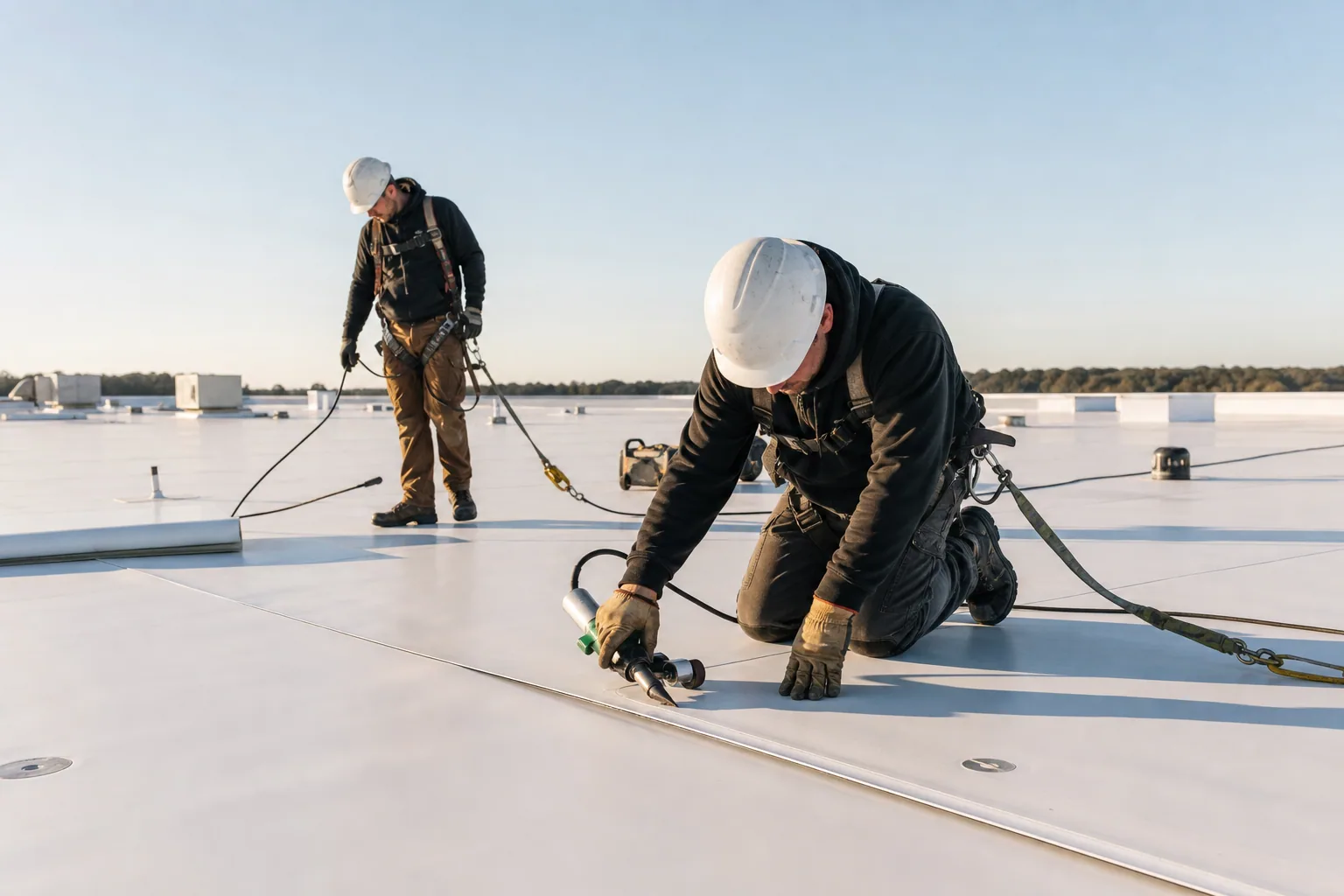
Understand what the recover would retain
Bring the existing roof information to the review. We will assess the proposed retained assembly and develop an overlay comparison with its supporting work explained.
Related Roofing Work
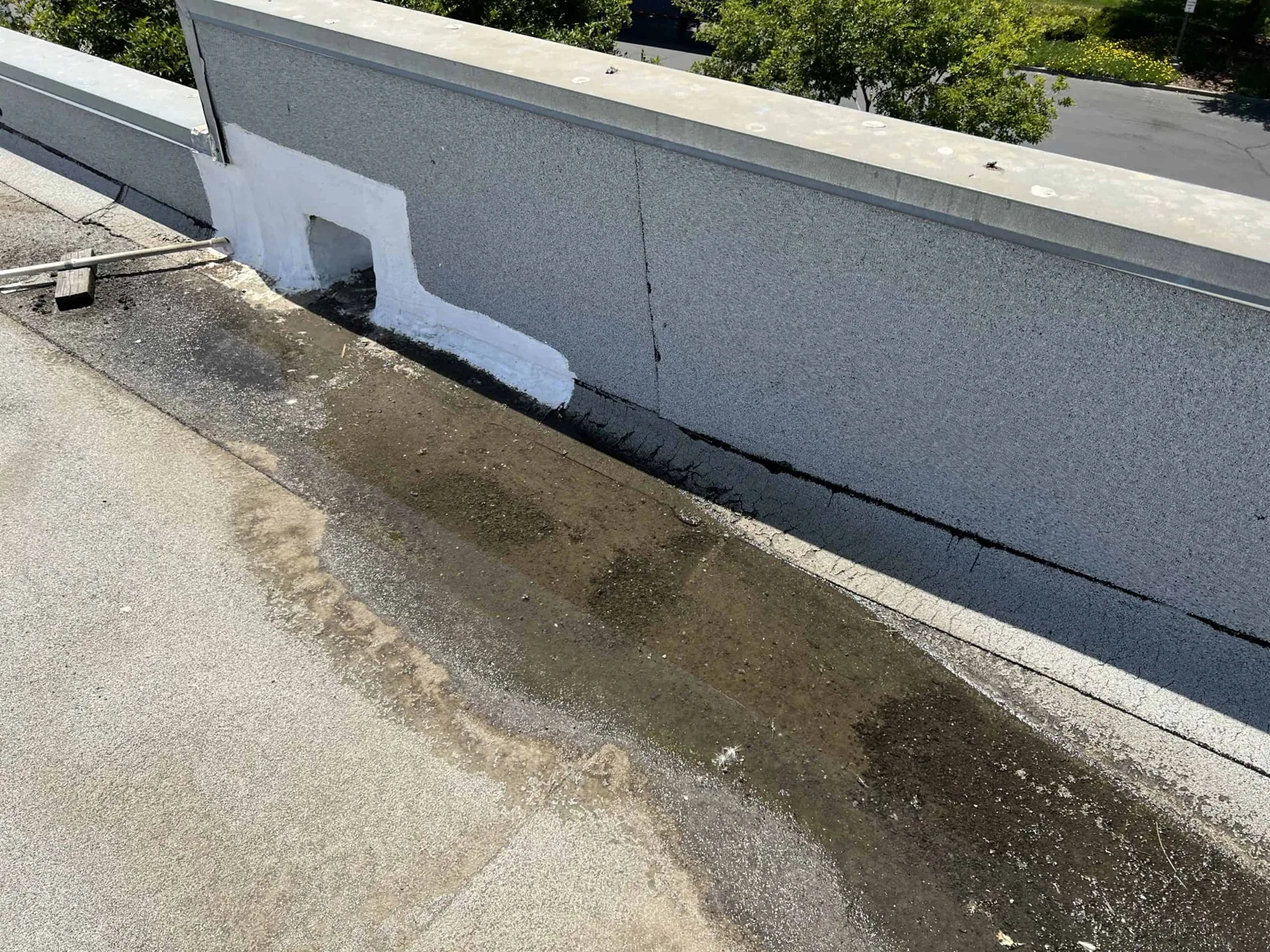
How will the retained roof carry the added work?
Identify the layers and supporting deck relevant to the new assembly. Review available installation information and investigate unresolved construction questions. The recover proposal needs its own attachment and support decisions. Retaining an old roof does not remove the need to establish how the selected new construction connects to the building.
We coordinate the proposed assembly with the responsible design parties where needed. Identify added materials, retained components and supporting correction. Establish the requirements applicable to the actual project with the parties responsible for that review. A generic statement about overlays leaves the asset manager without the specific construction and review tasks behind this recommendation.
A separately developed tear-off alternative should state its own removal and backing work. Compare that option against the assessed recover, rather than compare only two membrane prices. The owner needs to see the material removed, construction retained and permanent detail changes in each developed proposal.
What happens at the raised roof level?
Adding an assembly changes the relationship between the finished surface and nearby details. Review curbs, wall terminations and drainage components against the proposed roof level. Measure the particular positions affected. A recover needs a developed answer at those transitions before installation begins, because the field sheet cannot resolve every height change by itself.
The curb and equipment coordination should locate preceding component work. Identify the supporting shape that the new flashing will meet. Where dimensions change, preserve the revised detail and responsible correction. The roof crew needs that final construction available before completing the permanent membrane connection.
For requested Gilbert Town Hall recover planning at 50 East Civic Center Drive, obtain the particular roof assignment and available component information. We would assess the finished level relationships at that area. The line-item proposal would identify the corrections needed at its transitions, keeping those tasks separate from the new field assembly.
What to Expect
Which preparation belongs between the assemblies?
Develop the receiving surface for the selected new material. Locate damaged or unsuitable retained construction and define the correction. Identify any separation or supporting board required by the chosen assembly. The owner should receive the actual product and preparation decision rather than a promise that a new sheet will cover the old roof.
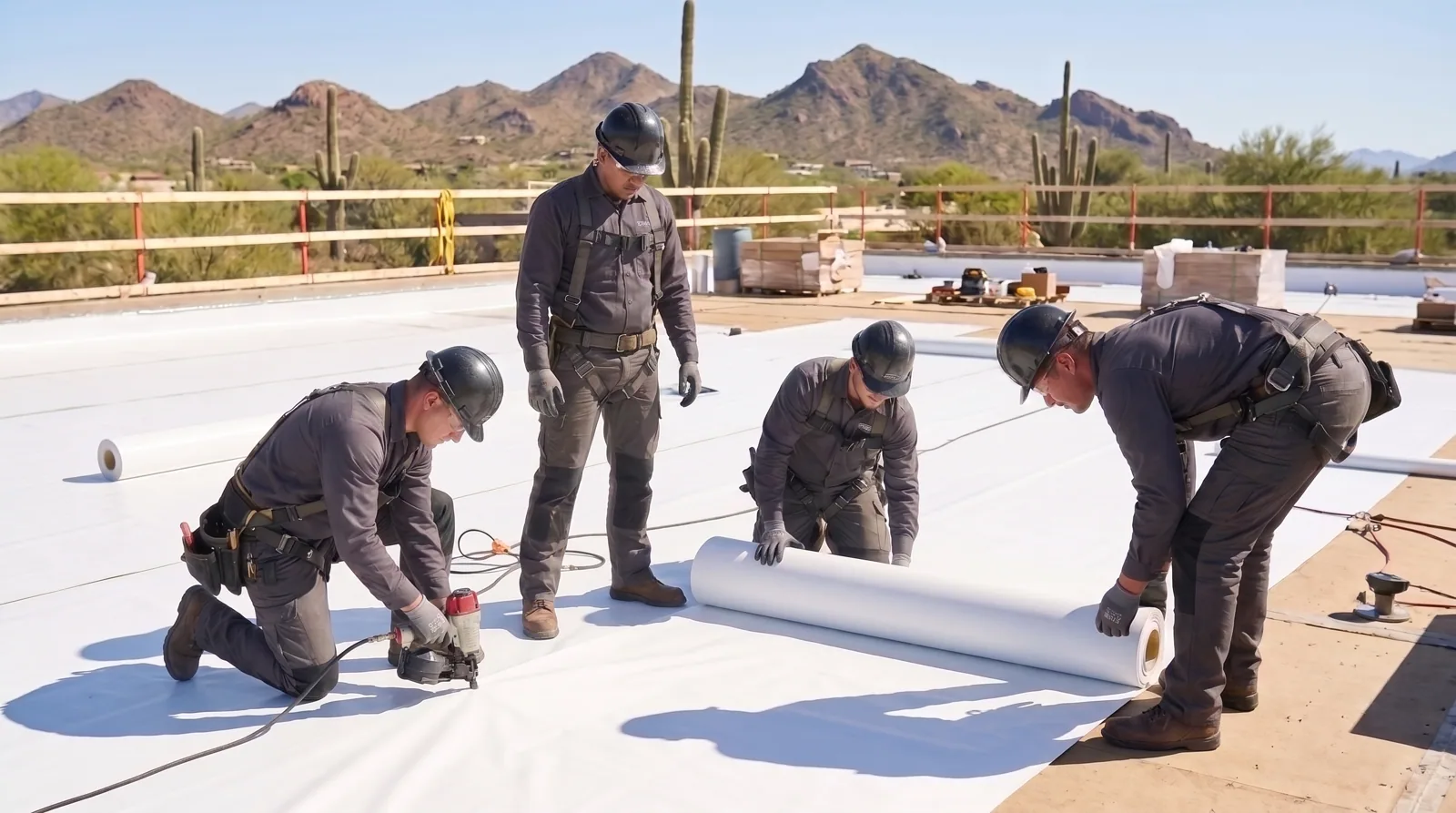
Where a TPO recover assembly is selected, review its particular attachment, underlying material and connection details. Keep that selection tied to the assessed support. Another product may need a different arrangement. We would develop those differences in the scope so the crew has the appropriate assembly information at the assigned roof position.
Compare a metal-roof retrofit approach as its own construction option where relevant. Review the existing metal and the support required for that selected proposal. Do not carry a flat-roof overlay assumption into a different assembly. The developed detail should explain how the new work relates to the construction that remains.
How will the owner know what remains unresolved?
Write the recover recommendation with its retained-material findings and any further assessment needed. Locate local removal or component correction separately from the new assembly. Define the process for documenting changed conditions if work exposes another defect. The asset manager can then review a revised amount against a named construction finding.
For requested Williams Field Road Commercial Area, establish the actual building and roof area through the representative. Assess the existing layers and details at that assignment before developing the proposal. Obtain the instructions affecting the work position. The recommendation should connect its retained construction and new products to that identified roof.
Plan temporary protection and permanent transitions for the selected work sequence. Identify where supporting correction precedes membrane installation. Keep changed component geometry with the crew's current detail information. The owner needs to understand how the recover becomes a complete assembly across both the field and the locations where it meets other construction.
At completion, preserve the installed material and the retained-layer reference with useful repair records. Locate backing corrections, revised details and further recommendations. A later assessment should be able to distinguish the old construction from the added work. Where particular warranty documents apply, review their terms and remaining coordination through the responsible parties rather than assume new coverage from the overlay alone.
That retained-layer record also matters at a later project. It identifies which construction was assessed during this recover and which areas received supporting correction. Another proposal can begin with those records, then verify current conditions. We would preserve the distinction between the assembly described at completion and any later change found on the roof.
Before selecting a recover, confirm that the retained layers are dry enough, attached well enough and suitable to support the added system. A limited opening or other authorized check can clarify concealed conditions where the surface alone is inconclusive. Also compare the added assembly height at drains, door thresholds, equipment curbs and wall terminations. Those details often determine whether the recover can be completed as drawn or whether a supporting repair and a different boundary belong in the proposal.
Questions Owners Ask
What should a Gilbert recover assessment establish first?
Review the existing assembly and material condition. Identify what would remain beneath the new roof and which findings need additional investigation before selection.
Can a thermal pattern define an overlay boundary by itself?
Interpretive survey findings need review and appropriate confirmation. Locate the actual material concern before developing retained or removed construction quantities.
Why do curb heights matter when adding a roof assembly?
The finished surface changes its relationship to components. Measure affected positions and develop preceding correction before the new flashing is installed.
How should a recover compare with a tear-off proposal?
Compare their developed construction scopes. State removal, retained layers, supporting repairs and permanent details so the owner can understand the actual difference.
What should the owner keep after a recover is completed?
Preserve the added products and retained-layer information with roof positions. Include backing corrections, revised connections and recommendations beyond the completed work.