
Gilbert Manufacturing Roof Work Decisions
Home / Industries We Serve / Manufacturers
What can the production representative accept while the roofing correction is carried out? That question should be considered with the roof findings, before an owner approves work above a manufacturing space. Commercial Roof Repair Gilbert explains the repair method and the practical area it requires. Your facility contact supplies the production constraints. Together, those details help establish whether a local operation fits the available work arrangement or a larger project needs another sequence.
For a manufacturing building near Intel's Ocotillo campus in Chandler, identify the property you manage and its responsible contacts. Provide the roof concern and any applicable instructions from your own production representative. The review can include a related property in Germann Road Industrial, with its roof findings and delivery route described separately. Coordination across buildings should preserve the conditions behind each roofing decision.
Which approvals are needed beyond permission to reach the roof?
A route to the roof does not explain the effect of the operation below it. Ask the production contact which areas, equipment or activities need protection and who can approve the proposed work arrangement. Discuss the roofing method in concrete terms: surface cleaning, preparation, component work or removal. If the facility provides restrictions on dust, odors or particular materials, review them before selecting the sequence. We describe our activities so the authorized representatives can evaluate the practical effect.
Keep the owner approval contact distinct from a representative arranging an equipment task when those roles differ. The question is who makes each necessary decision, not how many people attend a meeting. A project involving general contractors can use the same clear division of responsibilities. Explain the roofing items, production instructions and component operation in the coordinated plan, including the contact needed if an unexpected material condition changes the proposed work.
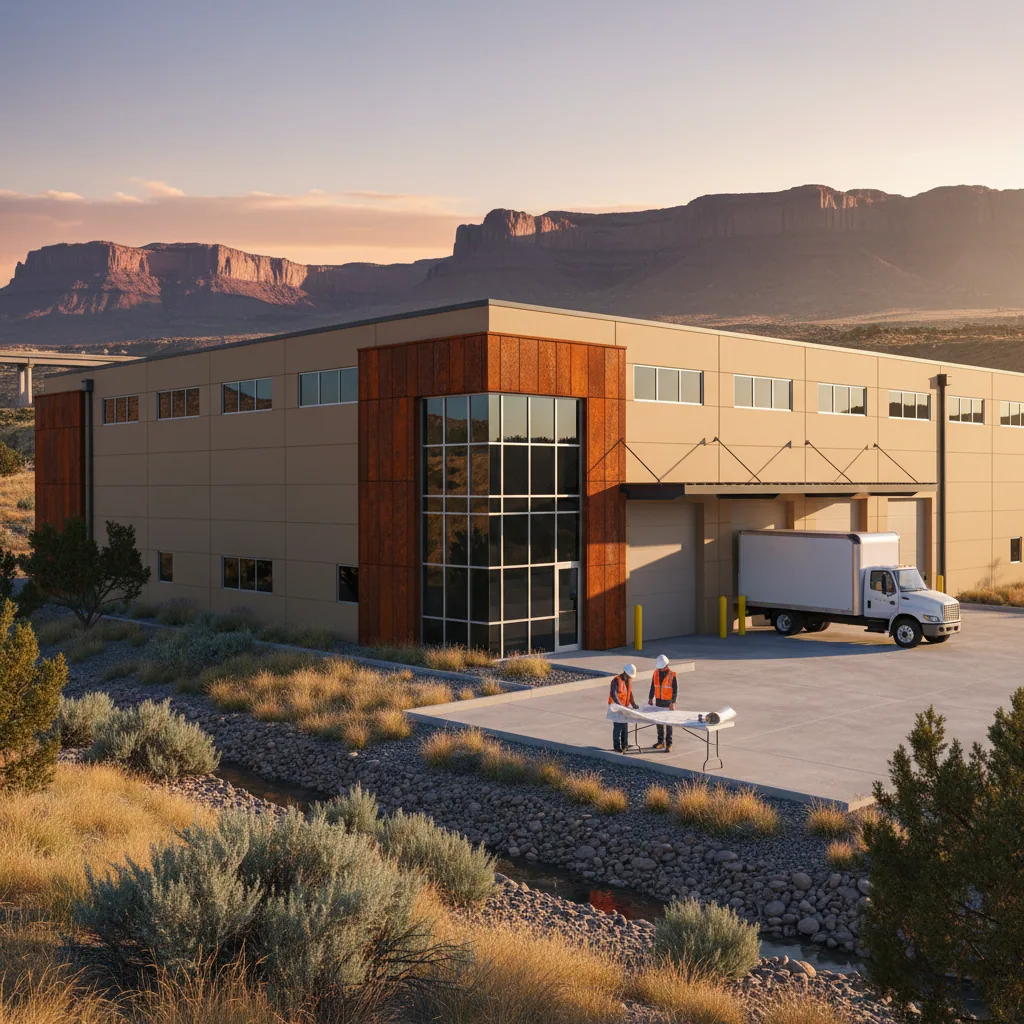
Review the roofing task with the production contact
Bring your manufacturing roof concern to an asset manager, along with the contacts who provide building and production instructions. Our written items can explain the repair choice and its practical work area.
Related Roofing Work
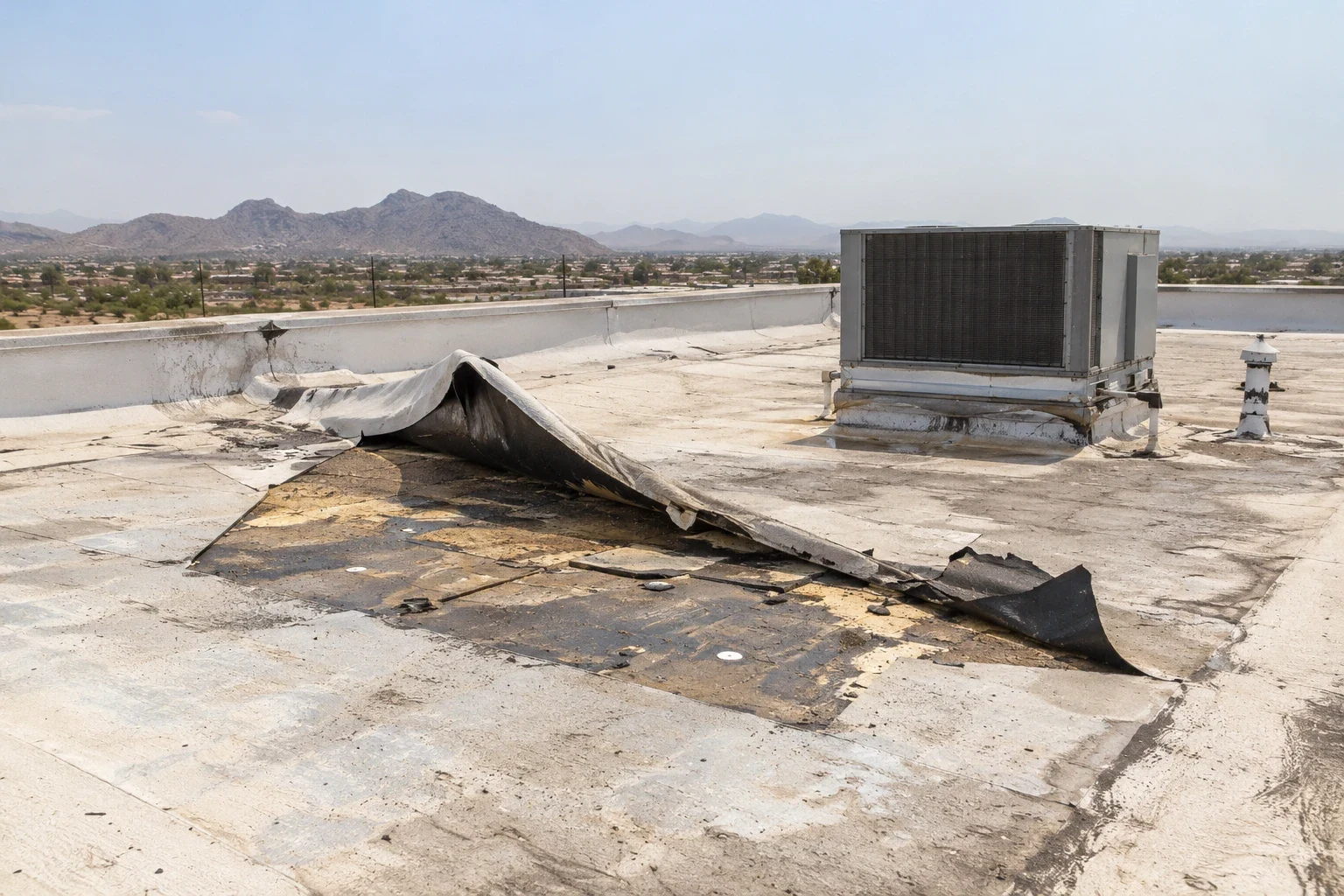
How do we distinguish the water concern from equipment work?
Describe where the report appeared and any recent changes around the roof detail. We examine accessible covering and transitions relevant to the concern. An equipment service event may help guide the visit, but its timing alone does not establish the water route. The written findings should identify the roofing defect and any component or wall question still open. That gives the facility contact a basis for arranging the right correction and the separate representative required for another task.
Rooftop equipment curbs and supports can involve a flashing connection beside equipment that must be moved or serviced. We explain what the roofing work requires from the component representative and the condition left during a delay. A failed membrane joint elsewhere needs a compatible reconstruction at that joint. The owner should understand the actual detail being corrected, rather than approve a general treatment that leaves the related component issue unresolved.
Where can roofing deliveries and materials be placed?
Have the facility contact identify an available delivery route and staging location. Discuss whether that route crosses loading access or another area production needs to use. The plan should state the roofing footprint and the protection needed for the proposed task. A small repair may need limited material handling, while removal can require another arrangement. We work through those differences with the instructions provided, rather than assume that an apparently open paved area is available for roofing storage.
For work above an occupied space, occupied building reroofing introduces an opening and handback sequence as well as delivery needs. Explain which area will be worked on and the roof closure planned when active work stops. If the production representative needs a particular area returned before the next operation, discuss whether the proposed roofing sequence can meet that instruction. An agreed stopping point should describe a practical condition, not simply a scheduled crew departure.
What to Expect
Does a short repair or a broader project fit the findings?
The roof defect and underlying material condition should establish the suitable options. We examine whether adjacent covering and support can accept a local correction. When concealed moisture or deterioration remains uncertain, discuss the investigation needed before relying on retained layers. The owner should understand the reason for that examination and how its result could affect removal. A smaller footprint is useful only when the method can address the condition found at the property.
Commercial roof replacement may be considered when deterioration is too extensive for the proposed local approach. Compare its material removal and work sequence with relevant repair or recover options. Production coordination belongs in that discussion: a series of isolated operations and a phased larger project can have different practical effects. We explain the roofing reason for each choice and ask the facility representatives to review the arrangement needed for their building.
What happens when removal changes the work?
Before opening the assembly, name the contact authorized to approve additional correction. We document the discovered condition and explain the revised roofing task, its effect on the amount and the practical work area. The production representative needs the relevant sequence change as well. A material finding can affect a component return or an occupied-space instruction, so those dependencies should remain visible while approval is being arranged. The interim closure must also be appropriate to the open detail.
Owners working with real estate investors and REITs may coordinate review across several properties. Keep the changed item attached to the roof where it was found. Roof condition reports can explain the construction and concern supporting a larger decision. This gives each reviewer a practical account of the proposed work without substituting a general project category for the finding that actually changed the scope.
How do cost and handback become useful to the owner?
Compare preparation, reconstructed details, removed layers, new material, equipment and protection in the written items. Delivery and occupied-space requirements can also affect the task. We explain the inclusions and the assumptions still needing examination. The amount is then connected to a defined operation. That helps the owner distinguish a narrower repair proposal from a lower price for the same work, and helps the facility contact prepare the areas the operation requires.
At completion, locate the correction and record useful details that later disappear beneath the finish. Keep approved changes, relevant photographs and applicable written warranty information in the roof file. Explain the condition being handed back and any component task still required. The production contact should be able to follow the remaining coordination, while the owner retains a clear account of the roofing work performed. A later report can then be examined against that located history.
A manufacturer can compare roof work across plants more effectively when each report names the production building, roof zone, equipment interfaces and access assumptions. Tie proposed removal or repair to a specific condition, and record how work will protect the operating area below. When one location involves a process contractor or utility, identify the point where that trade must complete its work before roofing can close the detail. Separate files for each plant help a portfolio review avoid carrying one site's findings into another.
Questions Owners Ask
Who reviews the roofing effect on production areas?
Your authorized facility representatives provide the production instructions. We describe the proposed roofing activities and discuss the work arrangement against those requirements.
Why separate staging from the route to the roof?
Materials may need a place that also serves loading or another facility activity. Review the delivery footprint and available storage with the building contact before scheduling.
Can equipment access change a flashing correction?
A component may need movement or service before the roofing detail is ready. Identify the separate representative and required return condition so the complete operation can be coordinated.
How do we compare local repair with phased replacement?
Examine the material condition, removal and practical work area behind each option. The production contact can then review the proposed sequence, with the roof closure at each stopping point explained.
What should a changed work item show?
Document the discovered condition, added correction and effect on the amount and sequence. Explain any dependency that changes a component task or the facility work arrangement.