
Warehouse Roofing in Gilbert, AZ
Home / Property Types We Roof / Warehouse Roofing
A warehouse roof leak in Gilbert, AZ usually shows up as a drip on a pallet or a wet spot on the slab. The question for the owner is what to approve next. We start with the leak and work back to its cause on the roof. If someone recommends a full replacement, that advice should explain more than how big the roof is. We inspect the seams, flashing and drains we can reach, match them to what staff saw inside, and say what further testing is needed before anyone prices a tear-off. You get a clear account of why the work is proposed and what it includes, and the next approval follows those findings, not a sales pitch for a particular membrane.
Gilbert Town Hall sits at 50 East Civic Center Drive and Southeast Regional Library at 775 North Greenfield Road. For a warehouse anywhere around them, we need the actual building and the bay where water showed up. A Germann Road industrial visit starts with the facility manager's account and roof access. Send any repair records and roof drawings and mark where the water appeared. That tells us what to bring and whether we may need to cut the roof open.
Where is the water actually getting in?
A drip over a rack tells us where water landed, not where it entered. Water can run along a deck flute or a purlin for a long way before it falls. We check the seams, flashing and penetrations upslope of the drip, then look at wall flashing and equipment curbs nearby before anyone reaches for a membrane patch. Sometimes the culprit is a condensate line or a leaking pipe, and that goes to the right trade. Our report pins down the roof defect we found and flags anything else that needs another look, so the owner pays for the repair that actually stops the leak.
During warehouse leak repair, we note which areas we reached and which still need access. A dry surface does not mean dry insulation underneath, so we do not close that question just because the membrane looks fine. If a test cut makes sense, we say where it goes, why, and how it will be patched. That cut tells you whether the insulation is wet, the deck is rusting or something else changes the repair. Photos sit next to each recommendation so every quantity traces back to something we saw.
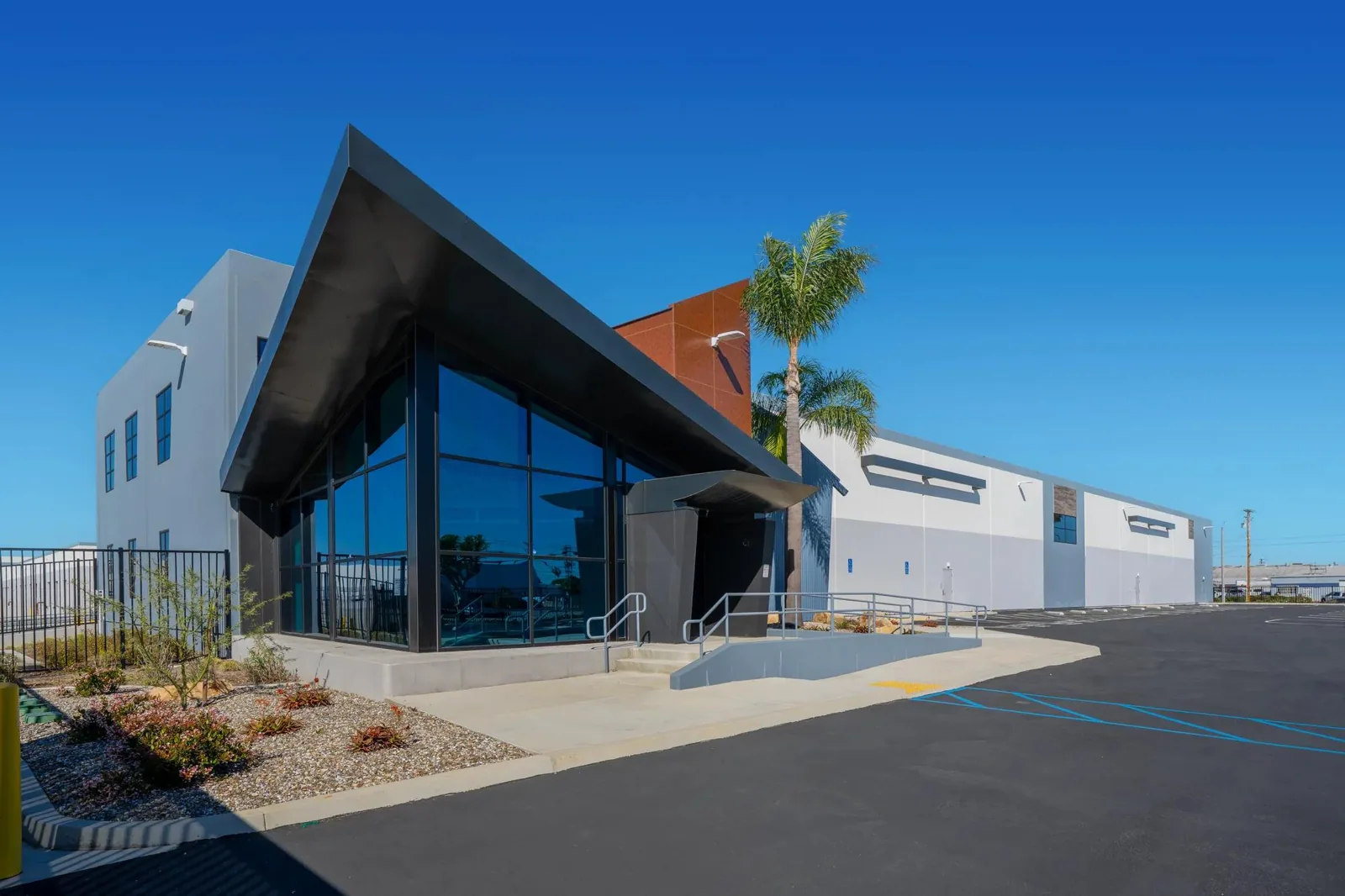
Walk the warehouse roof with us
Tell us where the building is leaking and which bay is affected. We will inspect the roof with your facility manager and walk you through what we found and a complete repair or replacement estimate.
Related Roofing Work
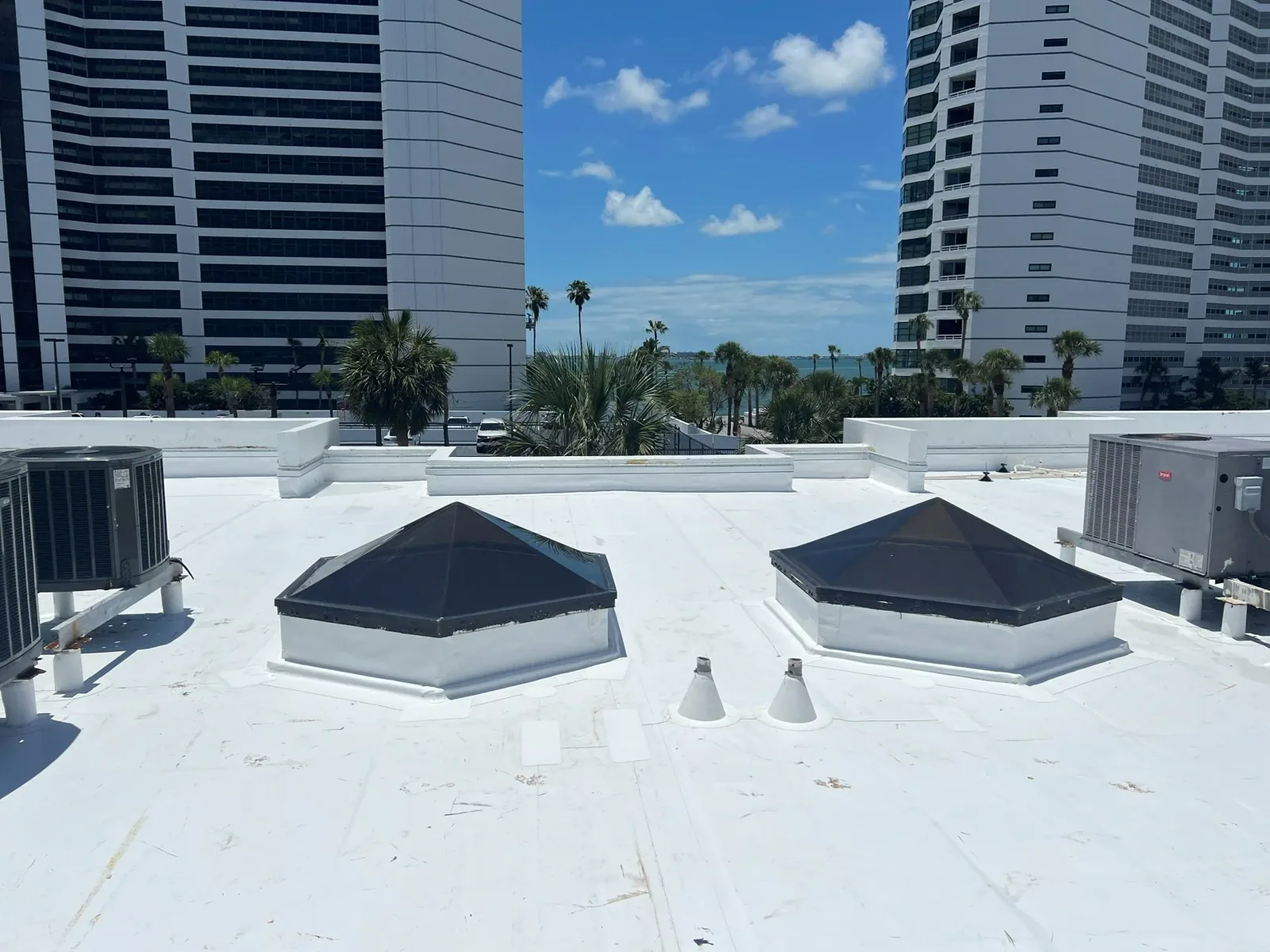
What can stay under a new roof?
A repair is only as good as the roof around it. We check the existing membrane and deck where new work will tie in. Loose seams, old patches in an incompatible material or soggy insulation can all add prep or tear-off. Cores and test cuts answer what is hidden. We explain where we take them and what the results mean for that part of the roof. If one core is wet and the spread is unknown, we take more before deciding. What stays is decided by what we find, not by hope.
For a TPO roof on a warehouse, the estimate should cover insulation, how the system is fastened and every edge and penetration detail, not just the sheet. We confirm what is up there now and what new material will bond to before choosing to keep it or remove it. At a wall, the flashing needs solid backing and a proper termination bar or counterflashing at the top. If the wall itself needs repair first, we say who handles it and when the roofer can tie in. That cost belongs in the number you compare.
How do repair and replacement amounts compare?
A spot repair and a new roof do different jobs, so each option should say what it fixes and what existing roof it keeps. A coating needs a clean, sound surface, with defects fixed and wet areas removed first. A recover means the existing layers have to be checked and the new system has to suit them. For warehouse roof replacement, the estimate should list what comes off and what goes back: deck repairs, insulation and every detail. That is how an owner sees why one option costs more and lasts longer.
Crane or forklift lifts, dumpsters, rooftop unit work and wall repairs can swing a roofing price hard. We list those beside the roof quantities, including anything waiting on another contractor. A distribution center roof has its own dock and truck schedule to plan around. A flex industrial roof often has several tenants with their own rules. Here, we look at the actual storage and traffic under the work area. The whole job, prep included, should be in front of the owner when comparing bids.
What to Expect
What has to be ready inside the building?
We walk the tear-off area from below with the facility manager. Together we look at what is stored there, which aisles stay in use and where crews will be working overhead. We agree on what gets moved or tarped, and who does it. Material deliveries and debris chutes can tie up a dock that is nowhere near the roof opening, so we plan those too. Forklift and foot traffic need to be kept clear of the work zone. We also ask about the site's rules for rooftop air intakes, noise and interior access before choosing methods. Names and prep tasks are agreed before the phase is scheduled.
For reroofing over an operating warehouse, each day has a set tear-off line and a plan for sealing anything left open. If we find more damage and the area grows, protection below grows with it. Where equipment curbs and supports are involved, the mechanical contractor shuts down and resets units on their schedule. The curb has to be solid before we flash it. The owner should see who is doing each next step whenever the roof work waits on another trade.
What makes the finished work accountable?
Drains and scuppers are part of every roof inspection. Clearing debris, reflashing a drain and fixing a broken drain line are three different repairs, and the estimate should say which one you are getting. If we propose moving a drain or adding tapered insulation, we explain why first. Changes like that may need a designer or plumber, and we say so. The report notes what was installed and what was built around it. That gives an owner something firmer to sign off on than a promise that ponding will disappear.
At closeout, you should get the location of every repair and a description of the roof system installed. That includes patched test cuts, approved changes in quantity and any work still owed by other trades. Temporary patches are listed separately from permanent work. For warehouse roof maintenance, keep the photos and the next recommended task on file. We answer emergency calls overnight, on weekends and on holidays. Once we can get on the roof and the leak is contained, we explain what has to be checked for a permanent repair.
For planning, we map the roof by bay and line up each phase with dock doors, trailer traffic, stored goods and running equipment. We decide which interior zones need protection and how material gets on the roof without blocking receiving. A large field repair may need a different sequence than work at drains or rooftop units. Bids are easier to compare when each phase names its roof area, how it is sealed each night, which trade it depends on and what paperwork you get at the end.
Before work starts, agree on who inspects each finished section and how the warehouse team hears that a phase is done and the area below can reopen.
Questions Owners Ask
What information helps investigate a warehouse leak?
Where the water showed up inside, photos, past repair invoices and any roof drawings. We match that to the roof above and tell you if more testing is needed before we price a permanent fix.
Should a dry roof surface rule out wet insulation?
No. Water can sit in insulation under a membrane that looks and feels dry. When it matters to the decision, we take cores or test cuts, patch them, and use the results to set how much insulation stays.
How should the owner compare renewal proposals?
Line up what each bid removes, what it keeps, the new system and every detail. Check that lifts, dumpsters, protection below and other trades' work are included. A good bid ties its price to what was found on the roof.
What belongs in the warehouse closeout record?
Photos of finished work by location, the roof system installed and any approved quantity changes. It should also list patched test cuts and work other trades still owe, which makes future maintenance easier to plan.