
Wind Damage Roof Repair in Gilbert, AZ
Home / Roof Damage Repair / Wind Damage Roof Repair
After a monsoon blows through Gilbert, the call usually starts the same way: something on the roof is flapping, or a piece of metal is lying in the parking lot. The real question is what it takes to fix it properly. Sometimes that is a membrane patch. Sometimes the edge metal needs to come off and the wood nailer behind it rebuilt. Sometimes we need a closer look before anyone can say. We start with the roof section the building contact points us to, check the membrane, seams and fastening there, and explain the permanent repair. A storm date alone does not prove what caused every defect, and a price for new metal does not cover rotted blocking hidden behind it. Our report spells all of that out so the owner approves the full repair, not a surface fix.
A wind call at Gilbert Town Hall would start with its facilities contact and the affected roof area. At that East Civic Center Drive building, we would check the membrane and edges first. At Southeast Regional Library, 775 North Greenfield Road, we would start with the reported problem and any roof records on hand. Where walls or curbs are involved, flashing failure repair may be part of the fix, and the report names each detail we plan to rebuild.
Where did the wind get in?
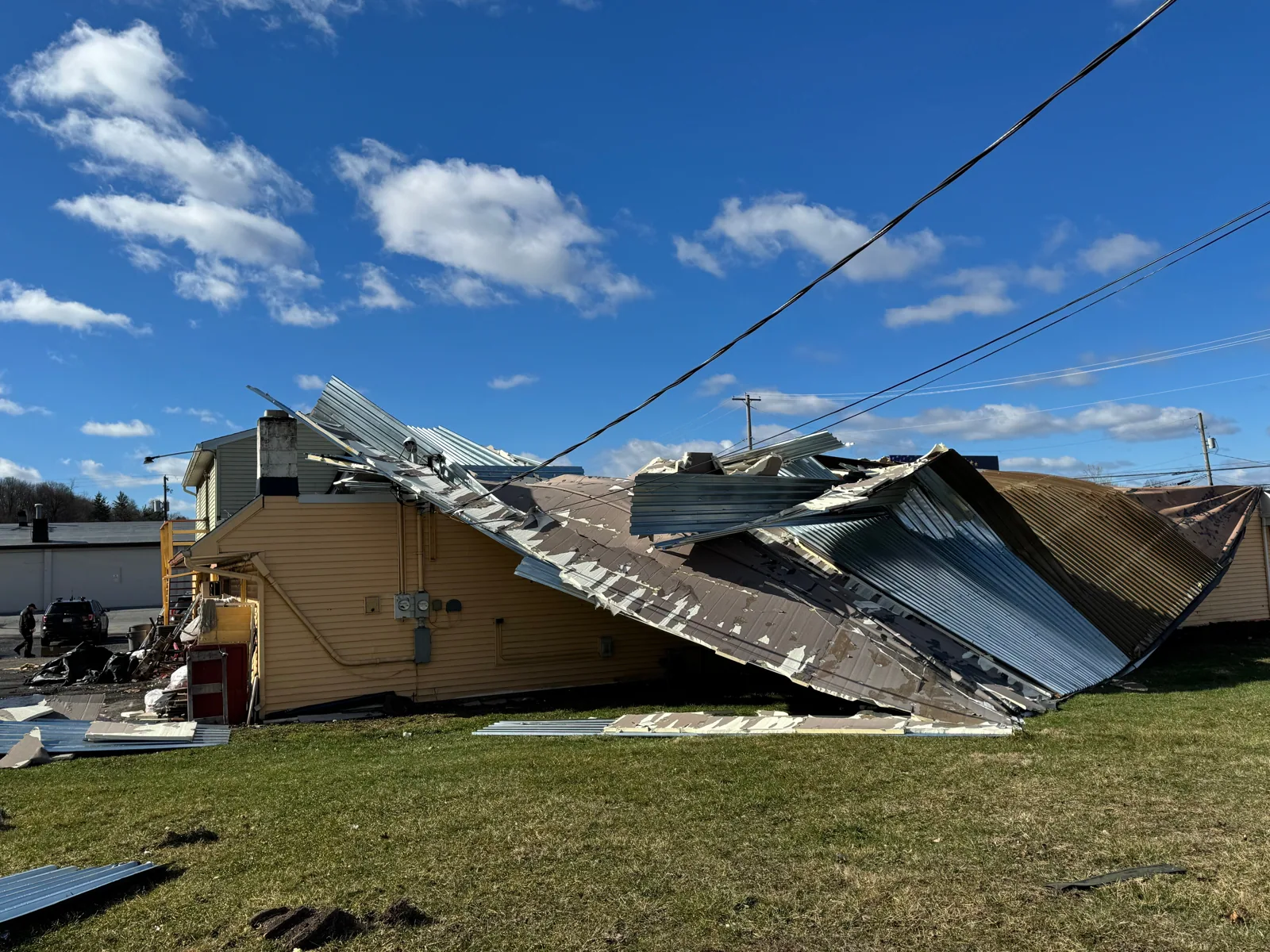
Before setting the repair area, we map the damage across the roof: lifted or torn membrane, loose drip edge or coping, and pulled flashing at curbs and walls. The building contact's photos and storm timeline go in the file under their name. What we find on the roof decides the repair. A reported storm date helps us know where to look, but it does not prove when every defect started.
Our roof inspection also checks the fastening and older patches near each damaged spot, since wind often finds the weakest seam or the last repair first. We note where a local fix will hold and where the problem may run wider. A failed edge can hide rotted backing. Lifted membrane in the field may mean the fastening or adhesive has let go across a larger area than the visible bubble.
If we recommend more testing, we explain what question it answers. Areas we could not reach stay out of the findings, and we say why a test cut would help. The owner gets a scope based on mapped damage, with any open question flagged where its answer could change the repair. That is a defined repair, not a vague storm estimate.
Get the wind-damaged roof inspected
Tell us where on your Gilbert roof the wind damage was reported. We will check the edges, membrane and seams, then send a written report that separates the permanent repair from any questions still open.
Related Roofing Work
What holds the new edge metal?
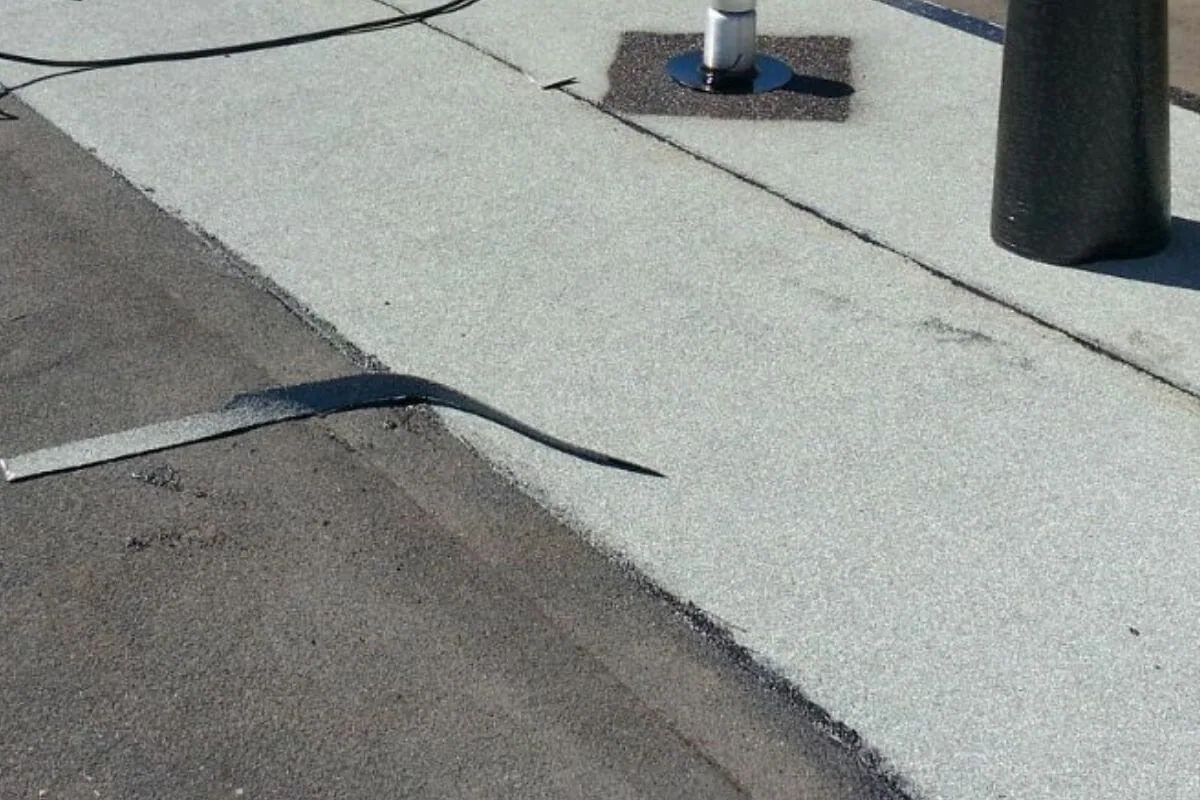
Edge metal and coping are only as strong as the wood nailer they are fastened to. We follow the damaged edge back to its backing and note which sections are solid enough to keep and which need a closer look. Bent metal does not show whether the wood behind it is split or rotted. New metal needs solid backing to hold in the next storm, and longer metal pieces do not fix a missing nailer. We keep that backing work in the written scope so it does not get dropped.
Our edge metal, coping and gutter work starts with removing the damaged pieces and rebuilding the nailer, then tying the membrane back up to the new edge. If the wall or blocking needs an engineer's input, we say so and keep that separate from our roofing prep. A crew showing up on schedule does not mean the backing is ready; we check it before closing the edge.
We photograph the backing while it is open. Once the new edge is on, nobody can see why the extra work was needed. Each photo is tagged to the building and the edge location, as proof of that spot only.
How much of the old roof can stay?
We identify the existing membrane around each repair. Old product records go in the file with the roof area they describe. TPO, PVC and other single-ply sheets can look alike and still need different welding or adhesive, so we confirm the material before choosing a repair method. One test cut does not prove the whole roof is sound, and any question about hidden layers stays attached to the option that depends on it. A method that worked on another building does not prove it will bond here.
Our roof repair estimate shows what membrane comes off, where the new section ties into the old, and whether new insulation or cover board is included. If wet or crushed insulation shows up during the work, the repair area may need to grow. We mark and photograph it first, then price the extra. A surface patch alone does not fix damaged layers underneath.
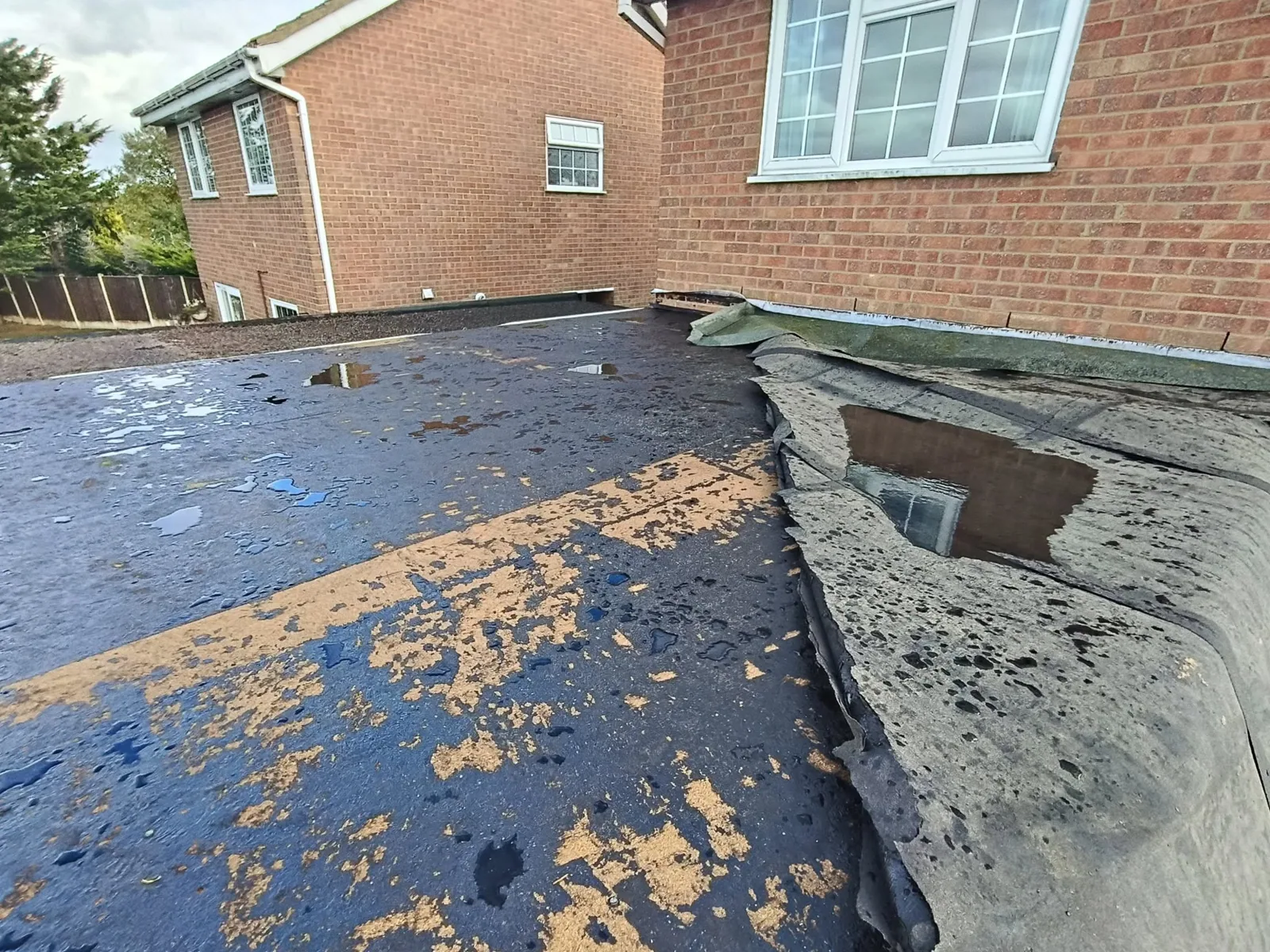
Wind often peels open weak laps, and seam failure repair is handled as its own item. We keep it separate from nearby edge work so the owner can see each permanent fix on the estimate. A single storm repair line hides those details.
What to Expect
Who handles equipment and walls?
Wind also moves rooftop units, loosens curb flashing and damages parapet walls. The mechanical contractor decides how to shut down, move and restart equipment. We tell them what condition the curb or wall needs to be in before we can flash it. That prep work is listed next to the roofing it allows. An approved bid for the other trade does not mean the curb is actually ready. Looking at the real condition of each component keeps the sequence clear for the owner.
We review the work area with the building manager before opening the roof. Tenants below may need to protect equipment, inventory or desks, and other trades may need to shut off or cover services. Those arrangements are specific to the area being opened. Being a warehouse or an office does not set the schedule; the people in the building do. Permission to inspect the roof is not permission for a larger tear-off.
Where we can safely stop each day depends on the roof system. We explain how much we will remove and how we will seal it before confirming the schedule. A short work window may not leave enough time for a full edge rebuild. If we have to come back after another trade finishes, that return trip is listed in the scope.
What does an emergency repair fix?
After a storm, some spots need a temporary seal right away: a torn seam, a missing piece of coping or an open curb. We record what we did and why. A temporary repair stops water, but it does not prove the roof underneath is sound, and more testing may still be needed. The permanent repair stays on the list as its own item in the building file. The owner should see the emergency visit for what it is, not as the finished repair.
Our emergency roof repair team can respond overnight, on weekends and on holidays. The building contact tells us how to get in and what to watch out for. Mechanical and electrical contractors handle their own equipment. A quick visit does not mean every shutdown or safety step for the permanent work is in place.
Once tear-off starts, we may find conditions different from what the estimate assumed. When that happens, we mark the location and price the extra work. Revised quantities go through whatever approval process the owner has set, and the opening stays sealed while it is reviewed. Permanent work resumes once the backing and insulation are sound and the change is approved.
What goes in the repair file?
When the work is done, the file should show which roof areas we repaired and which still need attention. It keeps the storm photos alongside shots of the rebuilt backing and the finished edges. It lists what we installed, any work done by other trades and any approved changes to the quantities. Temporary patches, other trades' unfinished work and recommended follow-up are listed separately. The owner can match the finished work to the approved scope and plan what comes next.
Every building in the Higley area gets its own file. If a new leak or loose edge appears, we check it against the earlier repair area. A nearby detail may need its own inspection even when the first repair is holding. The history helps us start the next inspection in the right place without assuming the earlier findings apply to the whole roof.
Questions Owners Ask
Does a reported windstorm prove what caused every roof problem?
No. A storm on the calendar tells us when to look, not what broke. We report what we actually find on the roof. If the evidence does not show a cause, the report says the cause is unconfirmed.
Why does new edge metal need new backing behind it?
Because the metal is only as strong as the wood nailer it is fastened to. If the nailer is split or rotted, we rebuild it before the new edge goes on and the membrane is tied back in. New metal by itself does not fix bad backing.
How do you decide how much of the existing membrane can stay?
We confirm the roof system around the repair and check the layers where they matter. If a hidden layer is still in question, it is noted next to the option that depends on it, and any further test cut is explained along with how it will be sealed.
Is an emergency storm repair the final fix?
No. It stops water at a specific spot for now. We record where it went and why, and list the testing or permanent repair that still has to happen. A quick visit does not mean the roof is fully repaired.
How is a change in the repair price explained?
We mark the damage we found, photograph it and list the extra work with a quantity. The opening stays sealed while the owner reviews the change through the approval process they have set up.