
Commercial Roof Replacement in Gilbert, AZ
Home / Commercial Roofing Services / Commercial Roof Replacement
Is the replacement proposal removing the right construction, or simply pricing a new membrane? A Gilbert asset manager needs that distinction before approving a reroof. The visible sheet is one part of the work. Retained layers, drainage connections and changed equipment can determine what the crew actually has to do. We would develop those decisions from the roof findings and write them into the replacement scope.
Start with the assigned building and the reason replacement is being considered. Review reported problems and previous corrections. Assess the existing assembly rather than assume a roof of a particular age requires removal. When replacement is recommended, the owner should receive an explanation of the construction being removed and the new assembly proposed in its place.
What makes removal the developed recommendation?
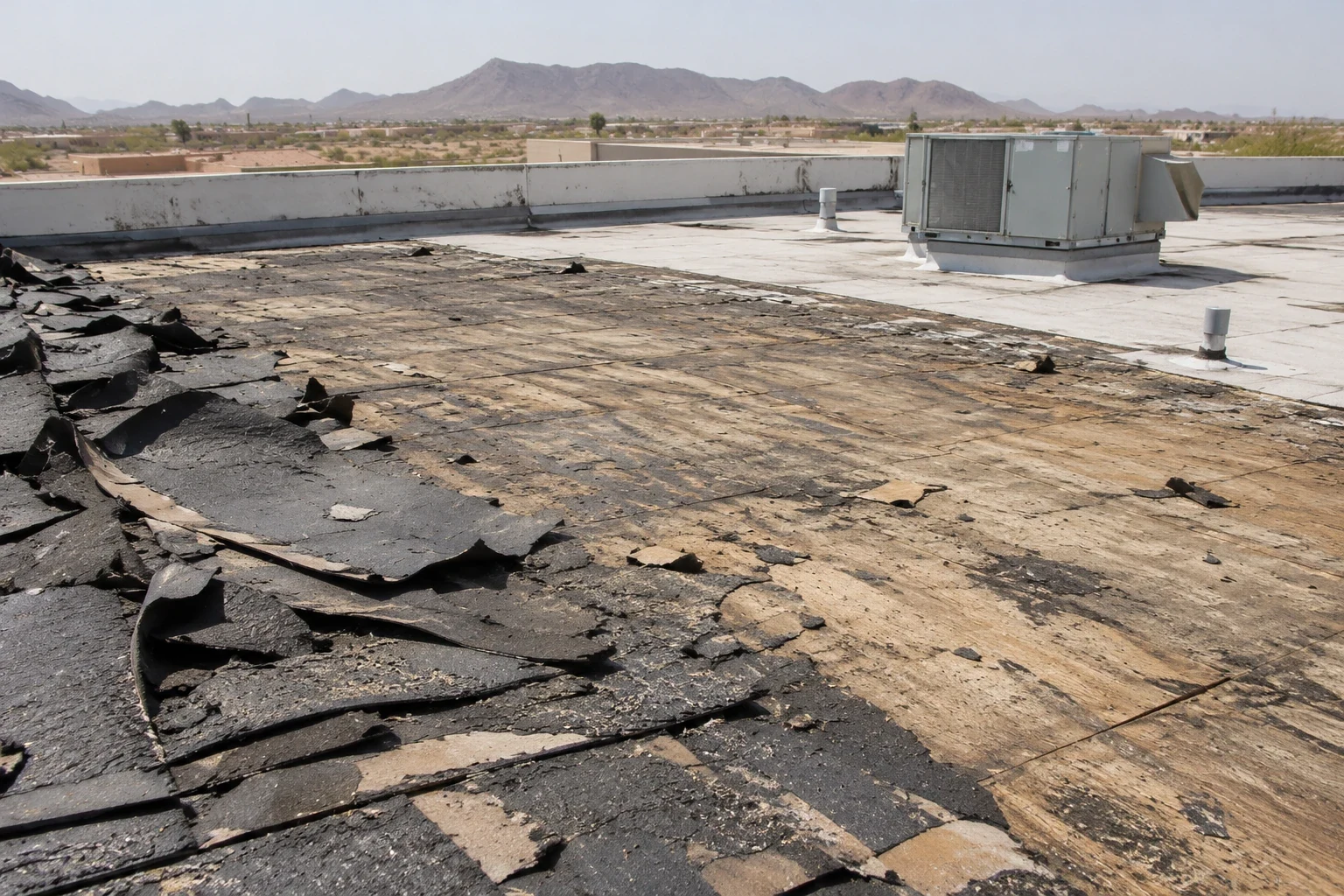
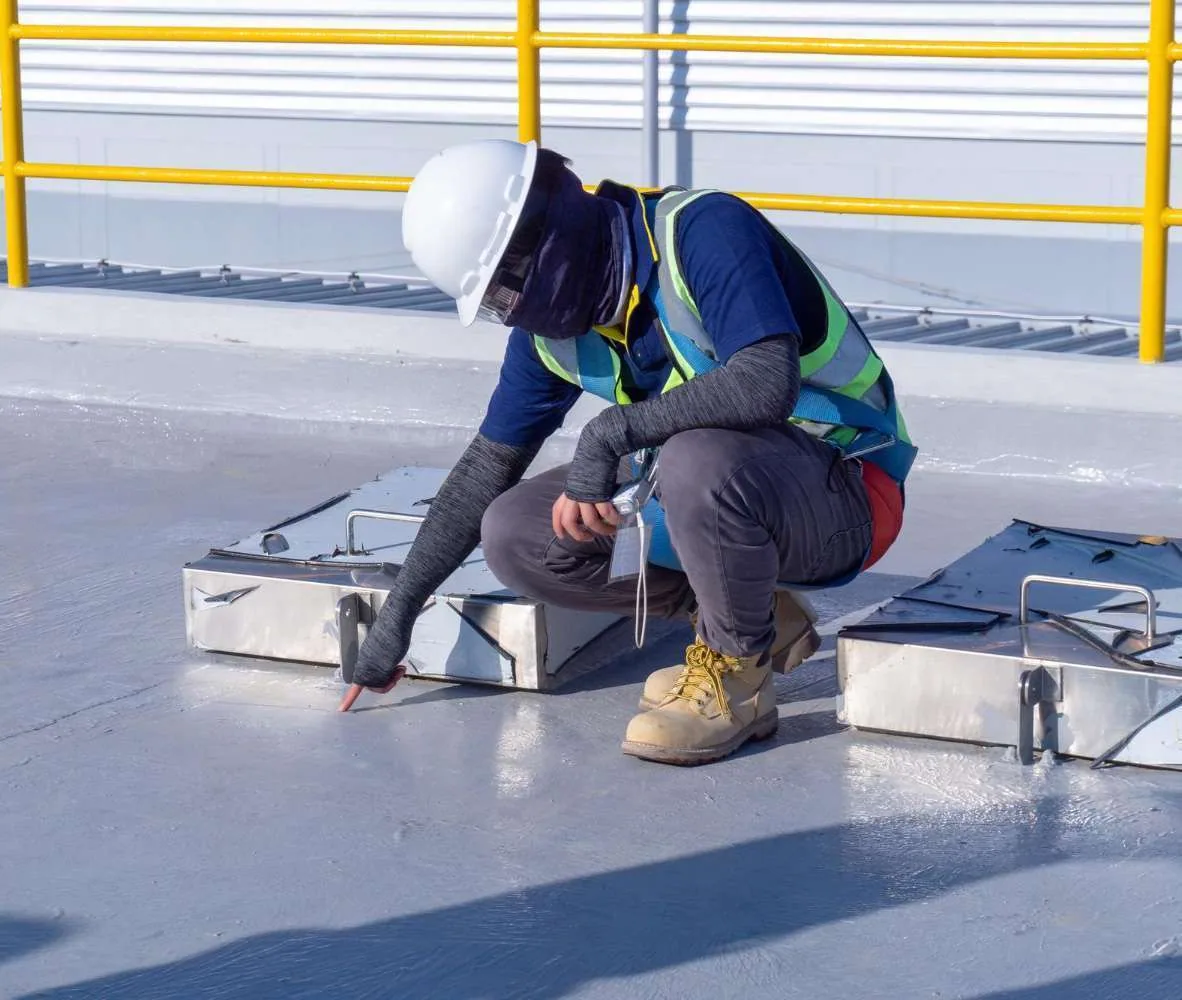
We inspect accessible roof areas and review the records relevant to the assignment. Locate deteriorated material, repeat defects and supporting problems where they are found. Identify what further investigation is necessary beneath the surface. The recommendation should connect those findings to a defined removal scope, rather than turn a broad concern into a decision about the whole roof.
A written condition report should locate the evidence behind the replacement recommendation. Preserve the roof designation, photographs and limitations of the assessment. Where only part of the construction has been examined, identify the additional work needed. The owner needs to know which removal decisions are established and which depend on another finding.
For requested work at Gilbert Town Hall, 50 East Civic Center Drive, establish the designated roof through the representative. Request the existing assembly records and notes describing prior corrections. We would assess that construction before recommending replacement. The report would keep the affected area and its condition beside the proposed removal, allowing the asset manager to follow the reason for the project.
Develop the replacement from the findings
Review the roof assignment and existing records with us. We will explain the removal recommendation and prepare a line-item scope for the new assembly.
Related Roofing Work
Which layers come off and which remain?
Identify the existing layers through records and appropriate investigation. Develop the removal extent for the selected assembly. Locate unsuitable retained material and supporting correction where needed. A membrane replacement price should not leave the owner guessing whether backing repairs and removal of damaged insulation are part of the work.
An interpretive moisture investigation can help direct further assessment when appropriate to the construction and conditions. Review its findings with confirmation where necessary. Do not turn a thermal pattern into an exact material quantity without that review. The removal plan needs its basis stated so the final construction decision can be checked.
Compare a separately assessed recover option only where the retained assembly is suitable for that proposed work. Its investigation and design decisions remain distinct from tear-off. We would describe the retained layers, attachment and necessary detail changes for the alternative. A lower removal quantity alone does not settle whether adding another roof is the appropriate construction.
How will the new assembly meet the building?
Develop the new membrane, supporting layers and attachment for the particular roof. Review the deck and retained construction with the responsible design parties where needed. The scope should identify the selected materials and the finished details at walls, edges and components. Replacing the field sheet without resolving those transitions leaves important work undefined.
Where a TPO assembly is selected, identify its product and the applicable connection details. Review the height of the finished construction beside curbs and drainage openings. Changes in underlying layers can affect those relationships. Coordinate the selected roof level with component work before the permanent membrane detail is completed.
For a requested Southeast Regional Library replacement assignment at 775 North Greenfield Road, confirm the actual building area and relevant equipment information. We would assess retained construction and develop the new assembly from that assignment. The representative should identify the work-area instructions that affect the proposed operation, including any required coordination beside occupied spaces.
What to Expect
What must be resolved before opening the roof?
Develop the removal sequence alongside the planned temporary protection and permanent roofing. Define how the work will be closed at intermediate boundaries. Review the day's conditions before opening construction, and adjust the operation where those conditions change. The crew needs a workable transition between removed material and the roof that remains during the project.
An occupied-building work arrangement should establish the representative's requirements before removal begins. Identify designated access, delivery and handling positions. Coordinate any affected equipment with the responsible parties. The plan should locate those arrangements with the actual work area so a broad promise about keeping the building open does not replace needed project decisions.
Check which supporting corrections must precede the finished roofing detail. A loose wall face, changed curb or drainage component may require another task. Preserve the final dimensions and assign the responsible correction. If construction differs from the earlier drawing, revise the detail before completing the connection. The permanent roof needs the resolved component available at the right stage.
How will the owner review changed work?
Agree on how additional findings will be documented when removal exposes the assembly. Locate the affected material, photographs and proposed correction before revising the scope. Keep the changed quantity beside its construction basis. The asset manager should be able to understand why the project differs from the original proposal without reconstructing the explanation from invoices.
For requested Williams Field Road Commercial Area, establish the particular roof and its existing construction before scheduling. Develop removal and permanent details from those findings. Confirm the property arrangements through the representative. Any revision should preserve that roof designation and the area of changed material.
Record the new membrane and supporting products at completion. Keep useful photographs of exposed backing correction and important connections. Preserve revised detail references where components changed. Distinguish completed work from recommendations outside the project. These records give a later repair crew a useful account of what the replacement actually installed.
Where warranty documents are part of the proposal, identify the particular terms and remaining administrative steps. Coordinate required review with the responsible parties under those documents. The written construction scope still needs to stand on its own. The owner should receive the installed assembly, completed locations and any unresolved document task as clear project information.
An owner can compare the proposed assembly with the existing roof by checking more than the membrane name. The scope should identify removal limits, substrate repairs, insulation and cover board, attachment, and the transition details at drains, curbs and perimeter edges. If the work changes the finished roof height, note which adjacent metals or equipment supports need adjustment. These distinctions make the price review more useful because they show what construction is included and which existing conditions still require a decision before removal begins.
Questions Owners Ask
What should justify a Gilbert commercial roof replacement?
Observed construction findings should support the recommendation. Locate the assessed conditions and additional investigation needed before developing the removal extent.
How should retained material appear in a replacement proposal?
Identify the layers that remain and their assessed supporting condition. Define damaged-material removal and backing correction alongside the new assembly.
Can an infrared pattern establish exact replacement quantities?
Interpretive findings need appropriate review and confirmation. The removal quantity should follow the material assessment rather than an unconfirmed thermal pattern.
Why check curb and drain relationships when reroofing?
New assembly levels can change permanent connections. Coordinate component dimensions and supporting work before completing the selected membrane detail.
What should happen when tear-off reveals unexpected damage?
Document the affected location and material, then develop the revised correction. Preserve the construction basis for any changed quantity before approval.