
TPO Roofing in Gilbert, AZ
Home / Roof Systems / TPO Roofing
Is the concern in the TPO seam, the surrounding sheet or the construction beneath it? An owner should understand that distinction before comparing Gilbert roofing proposals. We would examine the assigned roof, identify the material where records and field findings establish it and locate the condition needing correction. A seam repair and a new TPO assembly require different scope decisions.
Bring the existing product information and reported concerns into the review. Earlier patches may not match the surrounding sheet, and concealed supporting layers may need investigation. We explain what the visible findings establish, then identify the examination needed for the remaining construction question. The recommendation should connect the actual roof condition with a developed repair or replacement option.
What does examination of the seam establish?
TPO uses heat-welded membrane joints. Examine the overlap and adjoining sheet where a seam concern is reported. Review intersections and locations where previous work changes the connection. A visible line or stain is a starting point for examination, not a complete account of the seam condition or the material beneath it.
Versico's TPO seam guidance calls for checking cooled welds and correcting deficiencies before checking the repaired connection again. It also identifies overheated membrane damage as a condition requiring correction even where the joint passes probing. Those distinctions matter: examination should consider the sheet as well as the welded overlap rather than treat one successful check as proof of every surrounding material condition.
A defined investigation of the reported leak should preserve the symptom location and roofing findings separately. Trace the relevant details and adjoining construction. We would develop the correction from that examination rather than assume a stain inside identifies the seam directly above it as the entry point.
At Gilbert Town Hall, a requested TPO assessment should first identify the particular roof with the representative. Use 50 East Civic Center Drive to locate that building reference in the project record. We would review the existing material and affected joints there before recommending a permanent correction.
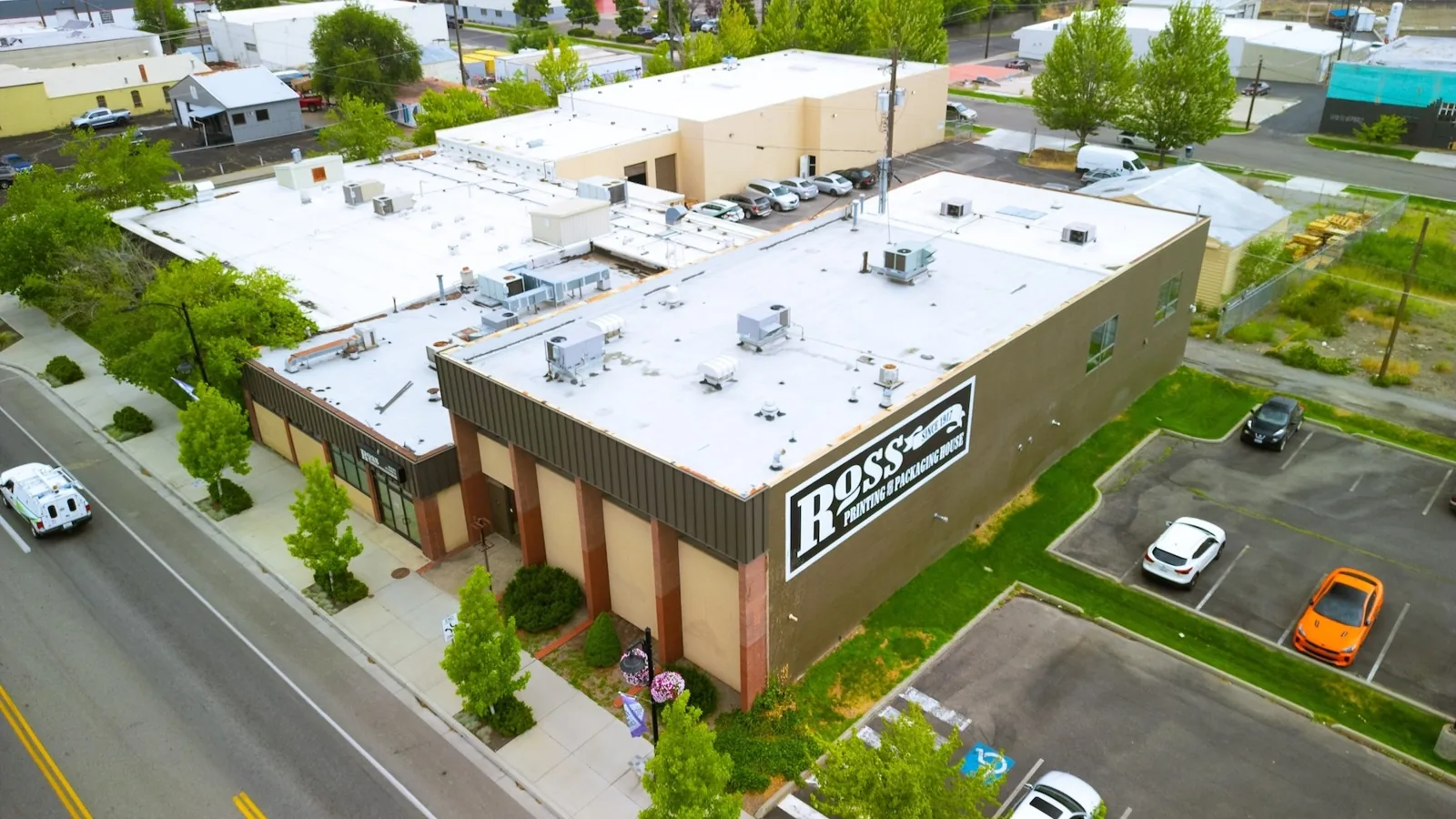
Connect the TPO recommendation with the roof finding
Bring the material records and reported concern. We will examine the assigned roof and explain the repair or assembly decisions behind the proposal.
Related Roofing Work
Which preparation belongs in a TPO repair?
Identify the retained membrane at the repair boundary and examine old patches. Review surface condition and the selected product's preparation directions. Develop the permanent connection for those actual materials. The proposal should describe what the crew will prepare and install rather than substitute a general promise to seal the area.
Keep backing or component correction visible where it precedes the membrane work. A sound connection needs its developed supporting condition, and a damaged wall face or changed curb may require another task first. We would locate the affected construction and explain which work enables the final TPO detail to proceed.
Compare PVC membrane work only as a separately specified material option. TPO and PVC are different membrane categories, with their own product directions and repair details. Where records or old patches leave material identification unresolved, settle that issue before selecting the joining method.
Record the installed patch or detail by roof location when correction is completed. Include useful material identification and exposure information. A later maintenance visit should be able to distinguish that finished repair from an older patch that was outside the current scope.
What remains beneath a new TPO membrane?
Develop the new roof as an assembly rather than only a field-sheet selection. Examine existing layers where the proposed retained construction needs assessment. Identify removal and supporting correction. The owner should see how those decisions affect the work beneath the selected membrane and why another roof area may need a different preparation scope.
Our insulation and cover-board assessment should identify retained material questions and proposed correction. Keep the selected support and attachment arrangement with the roof assembly. An upper sheet cannot explain concealed layer condition, so any investigation required for that decision needs its own defined task.
For TPO planning requested at Southeast Regional Library, confirm the examined roof through its representative. Identify the building reference at 775 North Greenfield Road. We would review actual retained construction and develop the supporting work for the proposed membrane there before presenting the assembly as ready for installation.
Where removal reveals a different condition, document its position and resolve the affected assembly decision. The crew needs a current instruction for what is retained and what is corrected. Carry that change into the final roof record so the installed construction is clearer than the original preliminary scope.
What to Expect
How do walls and drainage change the details?
Review the membrane connection beside each affected component. Locate the supporting face, finished level and final dimensions that govern the detail. Develop the affected flashing correction with the selected TPO arrangement at that position. A roof area with a changed curb or wall should not receive an old detail whose geometry no longer matches the finished construction.
Consider an EPDM alternative through its own assembly and component details. Comparing roofing materials is useful when the permanent connections and supporting work are developed for each option. The owner needs the construction differences behind the membrane names, including any retained material or component correction that affects the proposal.
Keep drainage openings and adjoining roofing in the review. If a component needs alteration, identify its responsible party and final condition before installing the membrane detail. We would describe the roofing connection and preceding tasks together so the component work is coordinated with the crew's permanent installation.
What should make the TPO proposal reviewable?
Name the selected membrane and the work boundaries. Identify seam or detail correction, retained layers and the new assembly where replacement is proposed. Separate investigation from installed construction. The asset manager should be able to follow each recommendation back to the roof finding that prompted it.
For Williams Field Road Commercial Area, confirm the assigned building and roof before applying the proposal. We would examine its actual membrane and components and develop the material decisions for that assignment. Useful location records keep the recommendation and later crew instruction tied to the same construction.
Review the finished work against the specified product and detail directions. Record installed materials and changed construction by roof position. Keep remaining recommendations distinct. The final account should identify the corrected joints, permanent details and assembly decisions without suggesting that every unexamined roof area received the same work.
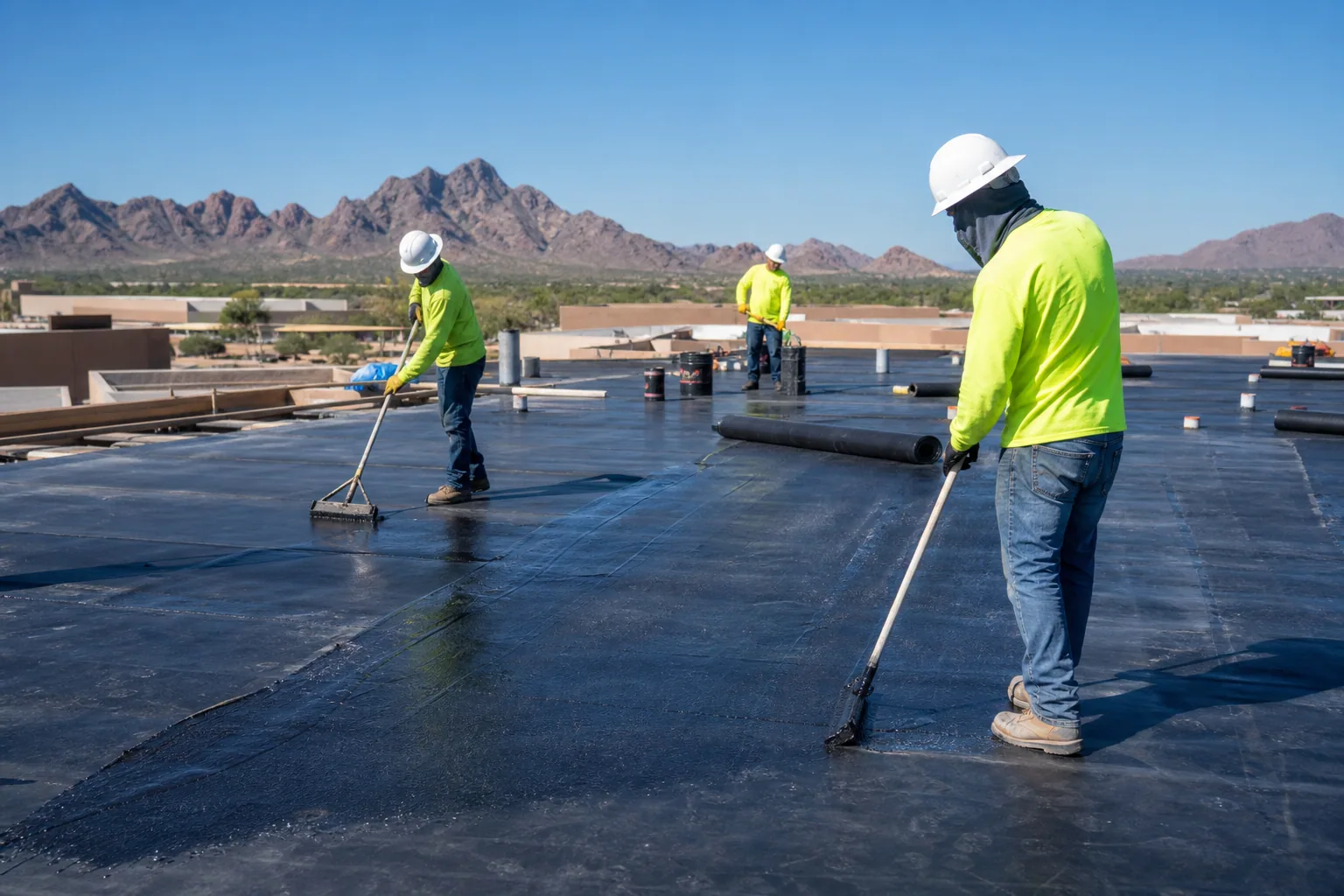
For a TPO assembly, seam quality depends on clean, dry surfaces and a welder setting suited to the membrane and weather conditions. Confirm the existing sheet type, reinforcement and attachment before selecting a patch or adding another layer. At a repair, prepare beyond the visible opening, make the new weld on compatible material and probe it after it cools. Record any separation at a curb, drain or edge as its own detail so a field patch does not obscure a second path.
Questions Owners Ask
What should a Gilbert TPO roof review distinguish?
Separate the welded joint, adjoining sheet and supporting construction. Connect the proposed correction with the condition actually examined at that roof location.
Why check the sheet beside a TPO weld?
Heat-related membrane damage may need correction even where the joint passes probing. Review the affected material along with the overlap.
Can an old TPO patch determine the next repair method?
Identify the retained materials and their condition first. Develop preparation and the joining detail for that specific repair boundary.
What belongs beneath a proposed new TPO membrane?
Specify the supporting assembly and attachment arrangement. Review retained layers and locate preceding removal or correction in the scope.
What should remain after TPO repair or installation?
Keep installed material and permanent detail records with roof positions. Separate completed construction from additional recommendations or investigation tasks.