
Modified Bitumen Roofing in Gilbert, AZ
Home / Roof Systems / Modified Bitumen Roofing
How far into the layered roof does the proposed correction need to go? A Gilbert modified-bitumen proposal should answer that question before the owner compares its repair quantity with another scope. We would examine the affected surface and details, review available material records and develop the removal boundary from the construction findings. A surface patch and a deeper layer correction are different tasks.
Begin with the assigned roof and the reported concern. Locate old repairs, altered components and areas needing supporting investigation. The recommendation should explain the selected ply materials and the preparation beneath them. Where records leave construction unresolved, identify the examination required before choosing the permanent arrangement rather than treating one upper-surface description as a complete roof history.
Which ply is being specified for the work?
SOPREMA identifies ELASTOPHENE Sanded as an SBS-modified bitumen base ply. Its sanded faces facilitate cold-adhesive and hot-asphalt application choices described for that product. Those are particular product roles and methods. A developed modified-bitumen scope needs the selected base, upper materials and application instructions named together rather than a generic reference to asphalt roofing.
We would review the proposed assembly and determine which material belongs at each layer. Establish the supporting face for the first roofing material and the connection between subsequent plies. Keep the permanent detail requirements with that selected arrangement. A product intended as a base layer should not be represented as a complete new roof merely because it appears in the proposal.
Compare a built-up roofing option through its own developed layered construction. The owner should see the material and installation differences, including supporting preparation and the finished details. We would explain which roof findings affect those choices rather than substitute one layered-roof name for another within the same undeveloped scope.
For modified-bitumen planning requested at Gilbert Town Hall, confirm the particular roof through its representative. Identify the building in the work record using 50 East Civic Center Drive. We would review its actual retained construction and develop the proposed ply materials for that examined assignment.
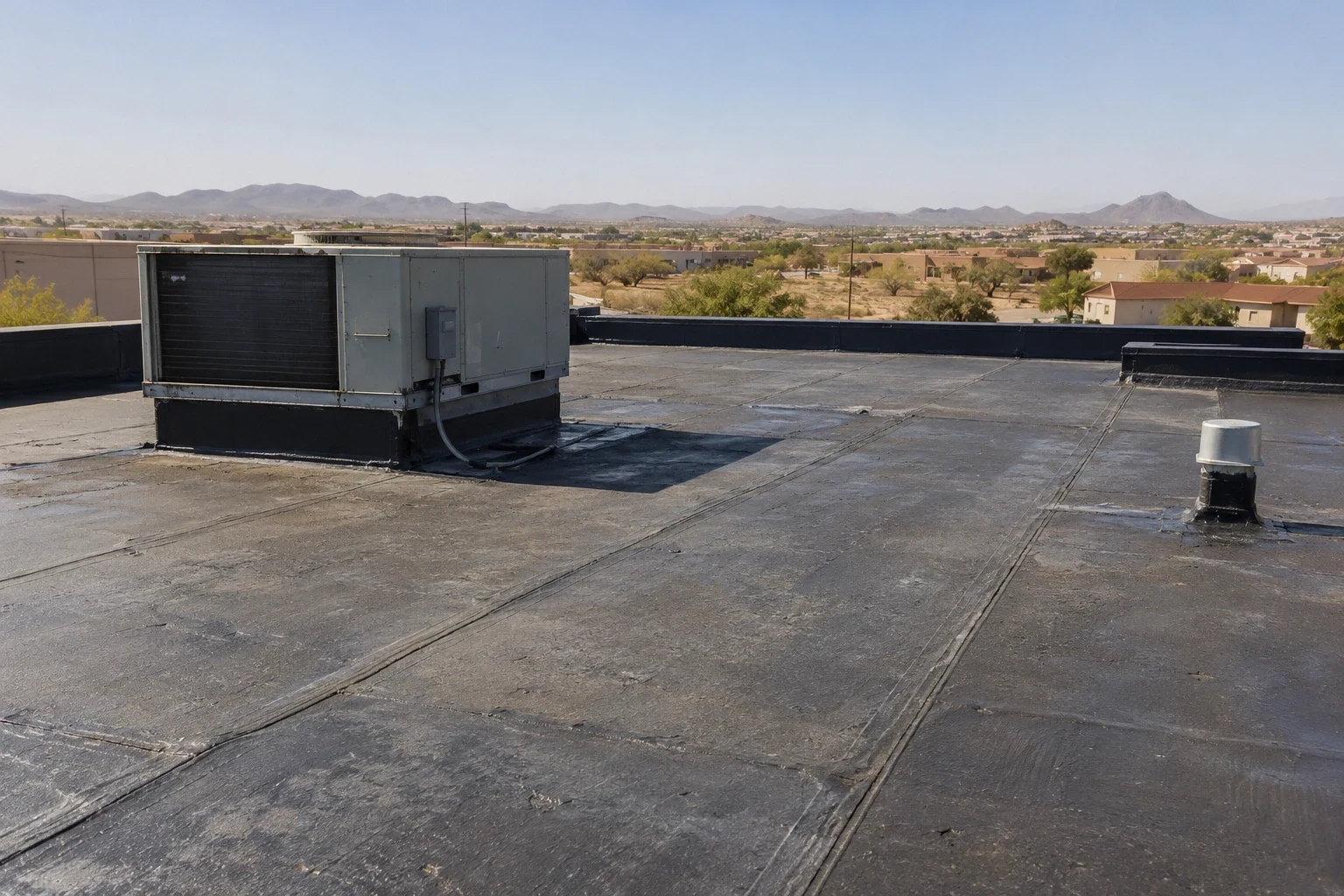
Explain the repair depth and selected roofing plies
Bring the affected roof location and material records. We will review retained construction and develop a clear layered-roof correction scope.
Related Roofing Work
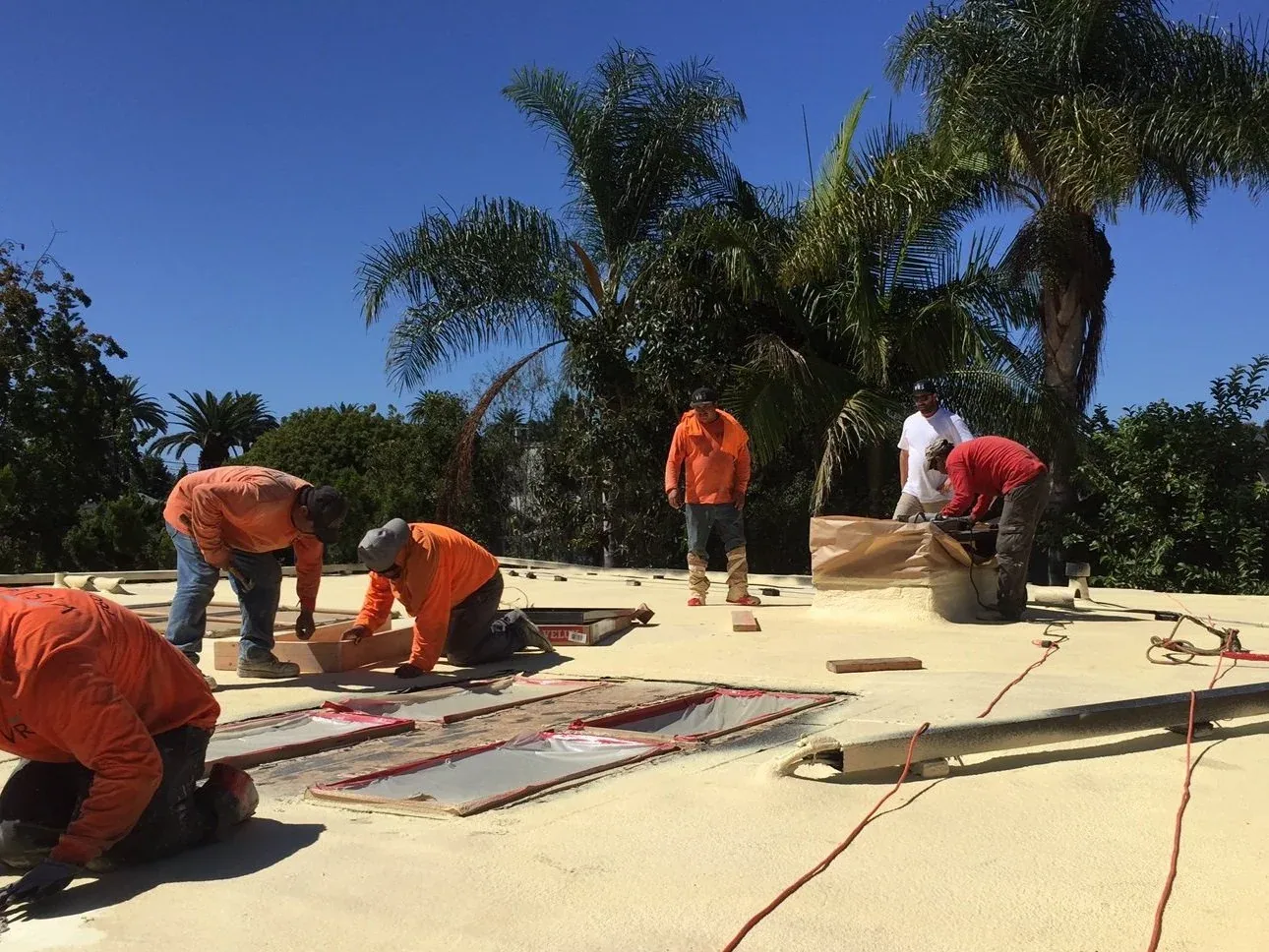
What does the existing surface reveal about repair depth?
Examine laps, previous patch boundaries and affected details. Review the construction concern beneath any proposed new material. An upper observation may identify damage requiring correction without establishing every concealed layer condition. We would locate further investigation where the supporting question affects the permanent repair and explain its purpose in the scope.
A leak investigation at the affected roof area should preserve the interior report and roofing findings separately. Review adjoining seams and components where they are relevant to the concern. Develop the correction from those findings rather than assume a visible stain or old patch identifies the entire removal boundary.
Where exposure shows unsuitable retained material, define the affected correction before adding new plies. Record the roof location and construction found. The owner should understand why removal extends to that material and how the selected permanent arrangement follows it. Another area with different findings may require a different repair depth.
Keep prior repair material identification with the new detail where it affects the joining surface. An old coating or patch should be examined before it becomes the assumed connection boundary. We would develop preparation and removal for the actual retained material rather than leave that decision to a broad instruction to patch the roof.
How does the application choice affect preparation?
The selected product and method govern the installation instructions. Identify the receiving material, required preparation and application arrangement for each proposed ply. We would review those tasks before pricing the work as a complete assembly. The same membrane category can contain products with different roles, so a general material description should not stand in for the particular construction chosen.
Our review of retained insulation and cover board should define supporting concerns beneath the proposed roofing. Locate removal or further examination where necessary. Keep the way that support is secured with the developed assembly rather than imply the upper ply selection resolves all construction underneath it.
At Southeast Regional Library, a requested modified-bitumen review should establish the assigned roof with the representative. Use its address of 775 North Greenfield Road for the building reference. We would examine retained material and develop the proposed preparation and application tasks for that specific construction.
Coordinate the selected installation task with the supplied project requirements and actual conditions at the work area. Where a material or supporting assumption changes, review the affected instructions before permanent work proceeds. The crew needs the current product arrangement and defined preparation, not an earlier scope whose receiving construction has changed.
What to Expect
How are layered materials developed around a component?
Review the supporting face and final dimensions at walls, curbs and penetrations. Identify the selected roofing arrangement at the transition, including preceding component correction where it is required. A field-ply description needs a developed detail at that position before it becomes a complete installation instruction.
A layered flashing repair should identify the retained construction and new materials. Locate the connection boundary and supporting task. Where another party changes the component, preserve its final dimensions with the current roofing detail. We would install to that developed condition rather than an old geometry carried forward from preliminary planning.
Consider a PVC membrane alternative through its own preparation and permanent connections. The construction comparison should explain what changes at the supporting surface and components. The owner needs those differences alongside the material names to understand the work included in each proposal.
Keep drainage openings and the finished assembly level in the review. If a component alteration precedes roofing, identify its responsible task and final condition. The permanent layered detail should meet that finished construction without leaving its relationship to nearby openings undefined.
What should make the layered roof scope clear?
Identify the selected materials by their roles in the assembly. Show removal, retained-layer decisions and supporting correction. Locate permanent details and further investigation tasks. The asset manager should be able to understand what construction is being changed at each work area and why that correction follows the roof findings.
For Williams Field Road Commercial Area, establish the assigned roof through the representative before developing the scope. We would examine its actual materials and component relationships. Preserve the project location and affected roof positions through the recommendation and installation records.
Retain useful exposure information and installed-material notes after completion. Identify the finished ply arrangement and corrected details where the work changes construction. Keep remaining recommendations separate. A later crew should be able to determine what was installed at the repair area without assuming every concealed layer elsewhere was examined or replaced.
A modified-bitumen repair should identify whether the assembly uses a base sheet, cap sheet or multiple plies at the affected location. Check laps, patches and surface treatment before choosing an adhered or heat-applied method. If heat is part of the specified work, document the protection and fire-control arrangements required for that site and assembly. Extend the repair to sound, prepared material and finish the edge so water cannot enter beneath the new patch.
Questions Owners Ask
What should a Gilbert modified-bitumen repair explain?
Identify the repair depth and retained materials. Develop removal, preparation and the permanent ply arrangement from the examined construction.
Why specify the role of each roofing ply?
A base material is one part of the selected assembly. Name the upper materials and installation arrangement so the complete roof scope is clear.
Does an upper-surface defect establish every retained-layer condition?
Concealed supporting material may need investigation. Define that task where it affects the removal or permanent correction decision.
How should a component change affect layered flashing?
Review the final supporting face and dimensions before installation. Develop the current detail and preceding correction for that finished construction.
What should remain after modified-bitumen correction?
Keep installed ply and detail information with roof locations. Record useful exposure findings and distinguish remaining recommendations from completed work.