
Infrared Roof Moisture Survey in Gilbert, AZ
Home / Commercial Roofing Services / Infrared Roof Moisture Survey
Does the thermal pattern establish damaged material, or identify a position needing confirmation? That question matters when a Gilbert asset manager is considering work over an existing roof. An infrared survey is an interpretive investigation. We would review the assembly, assess the conditions for the method and connect suspected areas with the confirmation needed before developing a construction scope.
The survey should have a roof decision behind it. Identify the assigned area and whether the owner is evaluating retained layers, a reported leak or a proposed replacement. Review available construction records and earlier repairs. The resulting account needs to distinguish thermal observations from confirmed material findings, so the recommendation is understandable without treating an image as a direct view beneath the membrane.
What makes infrared useful for this assembly?
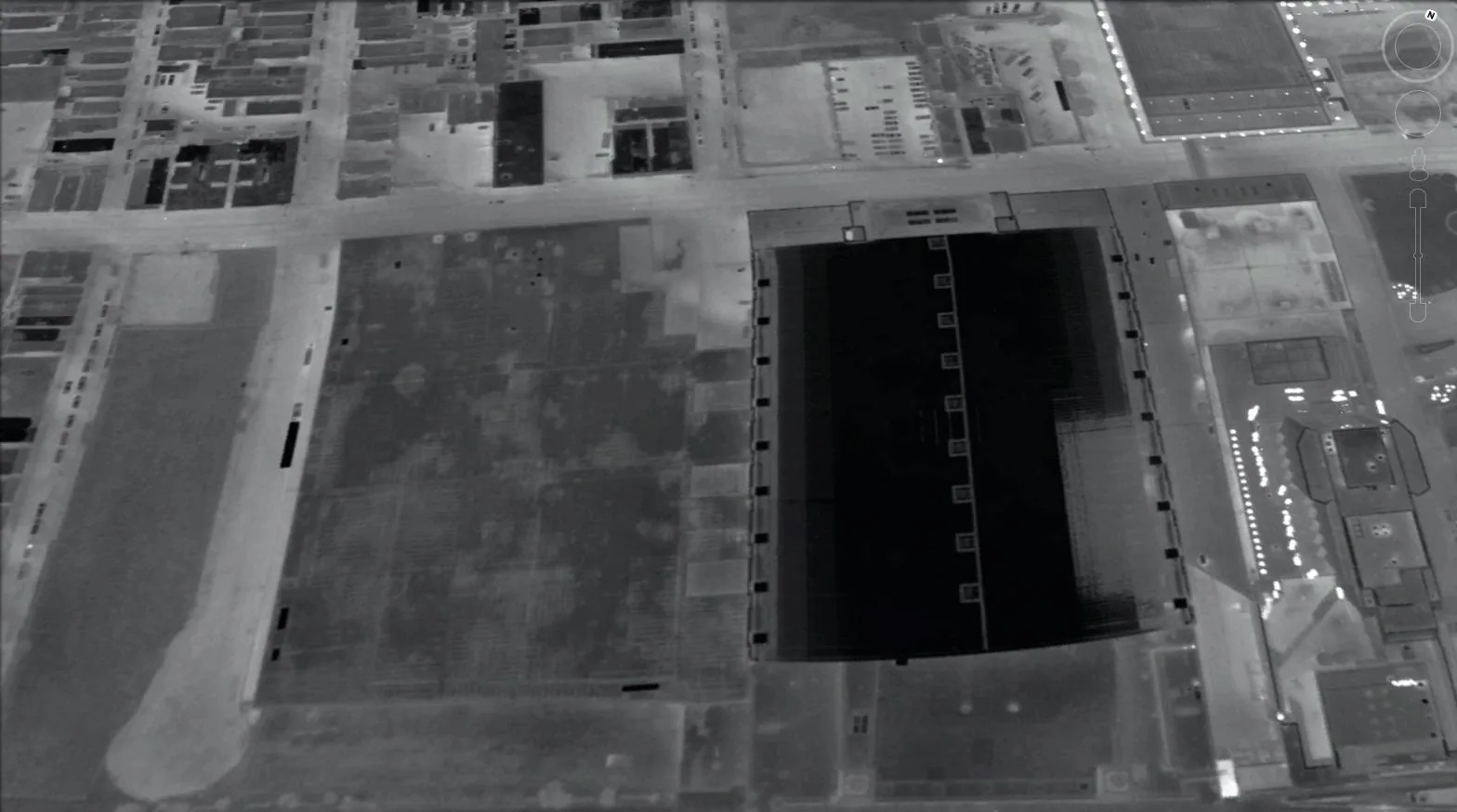
WBDG describes infrared thermography through differences in heat gain and retention between wet and dry construction. Those differences support an interpretive assessment under suitable conditions. The investigator needs to review the actual roof assembly and conditions before using the method. A visible temperature difference is the beginning of the material question, rather than its final answer.
A roof report with the survey basis stated should preserve the construction being investigated. Locate differing roof areas and identify where the method has limits. An assembly change can affect interpretation. We would keep those differences alongside the findings rather than apply one conclusion to every material beneath the assigned surface.
If the assignment concerns Southeast Regional Library, obtain its roof designation from the representative before planning the survey. Its published address is 775 North Greenfield Road. Review the available assembly records and the reason for the investigation. We would assess whether infrared can contribute useful information there. The report would identify the investigated area and any further task needed to resolve the material question.
Confirm the material question behind the roof decision
Review the proposed roof work and available assembly records with us. We will develop the investigation, explain the findings and connect them with the next scope.
Related Roofing Work
Which conditions shape the survey?
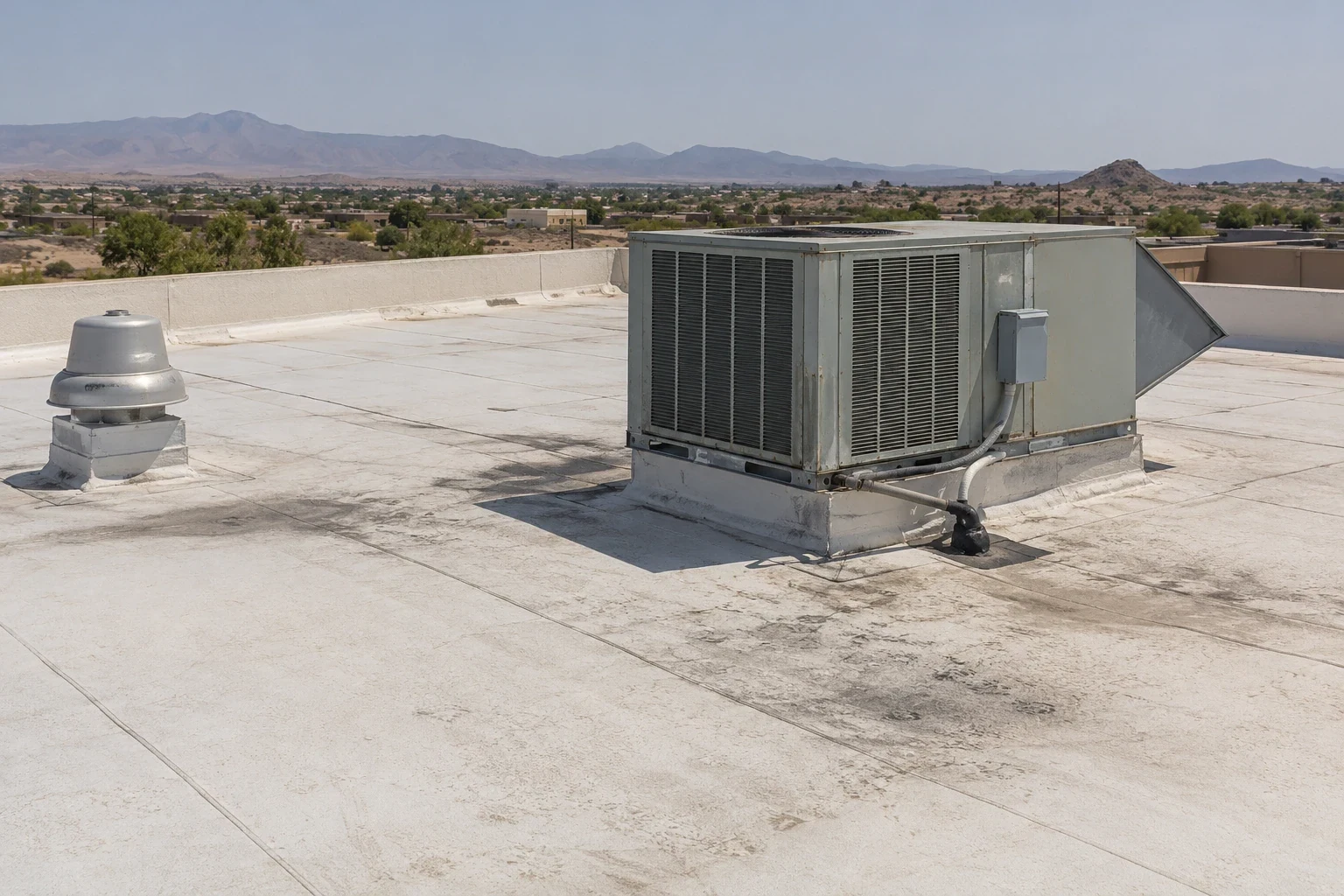
The method needs a meaningful thermal contrast and an understood construction. WBDG notes that weather, material uniformity, thickness and interior temperature assumptions affect interpretation. Review those factors for the actual assignment. The survey arrangement should follow the method's suitability rather than a promise to scan any roof on a fixed date.
We preserve relevant differences across the investigated area. A changed assembly or earlier repair may need separate interpretation from the adjoining construction. Locate those positions on the roof reference. Where the conditions do not support a useful conclusion, state the limitation and identify the additional assessment needed before making a retained-material decision.
An accessible roof inspection complements the thermal review. Locate surface defects and relevant construction changes alongside the suspected patterns. The visual observation and thermal finding provide different information. We would keep their relationship clear so neither is used as a substitute for the material confirmation required beneath the surface.
How are suspected patterns confirmed?
Locate the areas requiring material confirmation from the interpreted findings. Develop an appropriate investigation for the particular assembly and question. WBDG describes test-cut comparison and laboratory drying as a way to correlate thermal differences with moisture content. The investigation should establish what the selected samples show and how those findings relate to the mapped positions.
Where opening construction is proposed, plan the selected positions and roof closure under the applicable product and project directions. Identify the layers examined and preserve useful photographs and findings. We would not promise that one opening settles the condition of every surrounding area. The confirmation record should keep its actual extent visible to the owner.
Town Hall is at 50 East Civic Center Drive in Gilbert. For a survey requested there, confirm the roof area and available construction records with the representative. We would locate the survey and any proposed confirmation within that assignment. The findings would distinguish the thermal interpretation from the material examined there, keeping both attached to the same roof reference.
What to Expect
Does the thermal survey identify the leak?
WBDG explains that infrared does not itself locate a leak. A suspected moisture area can guide closer investigation without establishing the membrane entry point. The report should keep that distinction clear. We would examine relevant roof details and connect any permanent leak correction with the construction finding supporting it.
A separate leak-path investigation should review reported interior symptoms, visible roof defects and neighboring construction. Material concerns beneath the membrane may affect the repair boundary, but they do not settle every entry question. Preserve the basis for the proposed correction rather than select a patch from a thermal mark alone.
The confirmed material condition can also have another cause or require more assessment. We would describe what the investigation established and the remaining question affecting the work. A useful report distinguishes an observed defect, a suspected thermal pattern and a confirmed layer finding. Those findings should lead to their appropriate tasks instead of be compressed into one unexplained wet-roof label.
How do confirmed findings change the roofing scope?
Connect retained and removed material decisions with the confirmed construction findings. Locate unsuitable layers and supporting correction where necessary. Preserve the boundary and the reason for it in the proposal. The asset manager should be able to understand how the investigation changed the work rather than infer that relationship from a removal quantity alone.
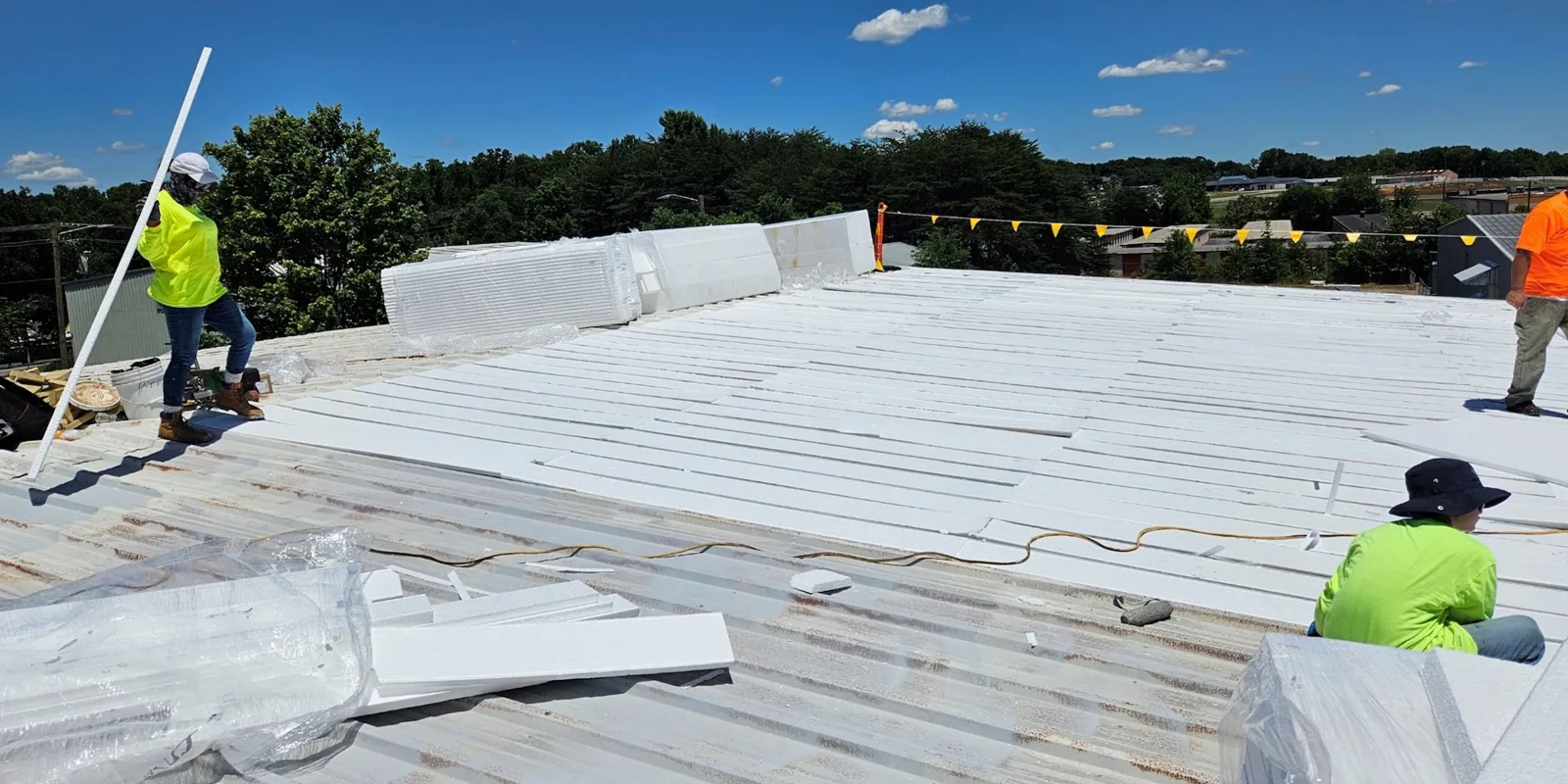
A recover assessment of retained layers needs the material findings beside the proposed new assembly. A silicone restoration selection needs its own surface condition and product decisions as well. The survey supplies information to those scopes. It does not automatically approve either option because a particular sample was dry.
For Williams Field Road Commercial Area, establish the property and roof designation before developing arrangements. Review the actual construction and the question the owner needs answered. We would preserve investigated positions and confirmation findings there, with recommendations connected to that assigned area.
Keep the survey as a dated account. Record interpreted patterns, confirmation positions and the conclusions drawn from them. Locate unresolved areas and later recommendations separately. A later project should review current construction and any intervening change before relying on earlier boundaries. The owner receives a usable investigation record, with its evidence and limits attached to the proposed roofing decision.
Thermal patterns are a reason to investigate, not a moisture conclusion by themselves. Sun exposure, stored heat, rooftop equipment and differing materials can affect an image, so survey conditions and roof construction matter. Compare the pattern with a physical inspection or another authorized check before defining removal. A useful report maps the observation, states how it was verified and keeps unconfirmed areas separate from confirmed wet material. The owner can then approve a repair quantity tied to evidence rather than a colored image alone.
Questions Owners Ask
What should a Gilbert infrared roof survey answer?
Define the retained-material or roofing decision behind the investigation. Review the assigned assembly and connect interpreted findings with appropriate confirmation.
Can any roof be surveyed effectively on a fixed date?
Conditions and assembly affect thermal interpretation. Assess the method for the actual assignment and record limits when useful contrast or construction information is lacking.
Why confirm a suspected thermal pattern?
Temperature differences are interpretive. Material investigation connects the pattern with the layers examined and provides the basis for the construction recommendation.
Does the infrared survey locate the membrane leak?
WBDG distinguishes suspected moisture patterns from an identified leak. Use the findings to guide closer roof investigation rather than assume an entry point.
Does a dry finding automatically qualify a roof for restoration?
The selected restoration also needs surface and product assessment. Keep confirmed retained-layer findings alongside those separate material and detail decisions.