
Roof Drains and Scuppers in Gilbert, AZ
Home / Commercial Roofing Services / Roof Drains and Scuppers
Is the problem an obstructed opening, a damaged drainage component or the roofing beside it? Those conditions can look similar on a repair list. A Gilbert asset manager needs them separated before approving work. We would assess the drain or scupper position, review the adjoining membrane and develop the correction that addresses the construction found.
A drainage task should identify the actual roof area and component. Obtain reported problems and available earlier repair information. Locate visible debris, damaged metal and loose connections where found. Routine clearing can be one operation. Component repair and permanent membrane work can be others. The scope should explain their relationship rather than describe all three through a general allowance to improve drainage.
Which drainage position is being assessed?
We locate the assigned drain, scupper or collector component against the roof reference. Review its visible opening and the surrounding surface. Identify where reported water or leakage concerns relate to that position. An interior symptom may require another investigation; it does not automatically establish that the nearest drain caused it.
A roof review around the drainage position should examine accessible membrane and component details. Preserve useful photographs showing the opening and neighboring construction. Locate any material condition needing closer assessment. The owner needs enough context to understand why a particular drainage repair is proposed and what information remains unresolved.
For requested drain work at Southeast Regional Library, confirm the designated building area with the representative. Southeast Regional Library uses 775 North Greenfield Road as its address. We would locate the affected drainage position and accessible details there. The written recommendation would keep component correction and surrounding roofing work attached to that particular assignment.
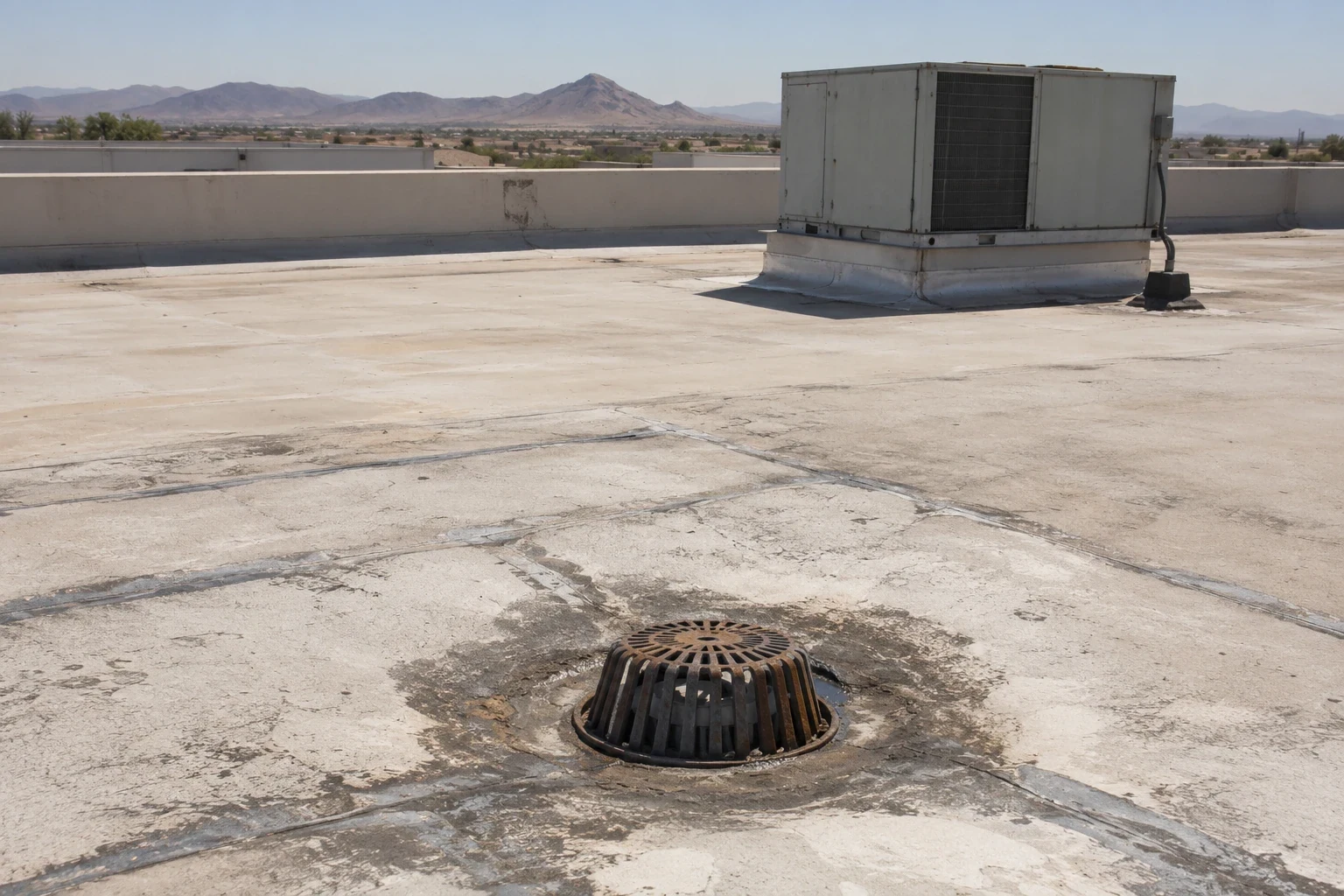
Separate the drainage tasks before pricing them
Review the reported position and existing construction with us. We will explain clearing, component correction and membrane work as a developed line-item scope.
Related Roofing Work
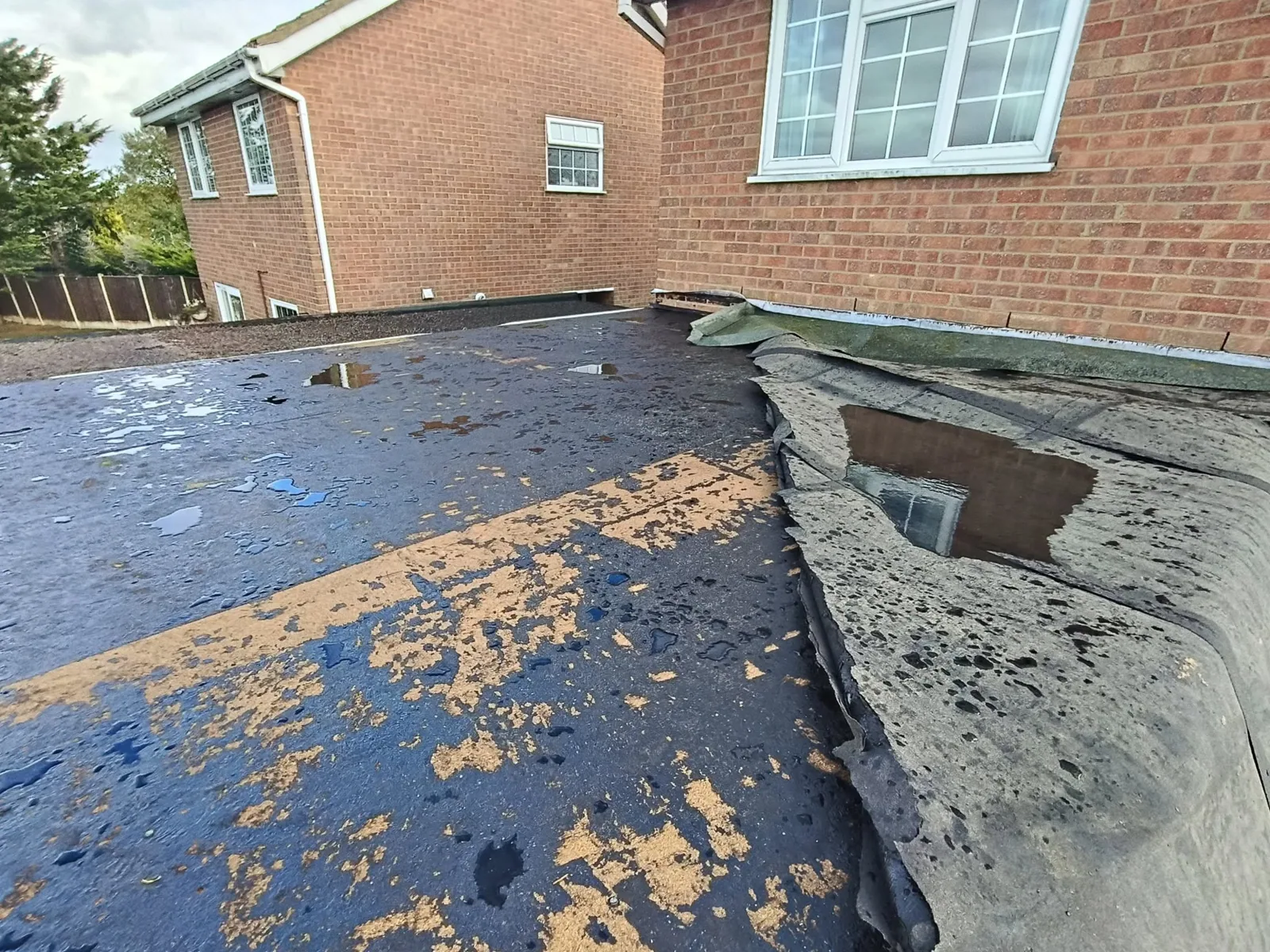
What does removing debris establish?
Removing accumulated material addresses an obstruction at the position serviced. We record the task and review the visible component condition. The clearing operation does not repair damaged metal or define a new membrane connection. Keeping those findings separate lets the asset manager understand what routine attention accomplished and what permanent work may remain.
A routine drainage-attention program should identify the positions included in its visit. Preserve changed observations and any component defects beyond those tasks. Where the same concern returns, review the construction and reported conditions rather than treat another clearing visit as the answer without assessment.
Record obstructions where they were found instead of using one photograph as a conclusion about every roof opening. We examine the relevant positions within the assignment. If a component or downstream relationship cannot be reviewed through the roof task, identify the additional assessment and responsible party. The roof scope should remain clear about the construction it actually addresses.
Which component repairs precede the membrane?
A loose or damaged drainage component needs a developed correction. Review accessible supporting faces, adjoining metal and attachment where relevant. Locate the task required before the permanent membrane detail is finished. The new roofing connection should meet the resolved component, rather than conceal a supporting problem behind another layer of material.
At a scupper, the wall opening, metal component and membrane transition are related construction. We examine each where accessible and locate its condition in the proposal. At a drain, we review the selected component and surrounding roofing detail. Keep the product decision with that particular position instead of applying a single generic repair method to every drainage fitting.
For requested Gilbert Town Hall correction at 50 East Civic Center Drive, establish the actual roof and component through the representative. Review available construction information at the assigned position. We would develop preceding metal or supporting work there before selecting the permanent membrane connection, with further investigation identified where required.
When a replaced component changes the opening geometry, review the roofing detail again. We locate the revised faces and surrounding sheet before completing the connection. The selected membrane work should fit the component installed, with the updated position preserved in the record.
What to Expect
How is the permanent roofing connection selected?
Identify the retained roof material beside the drainage component. Review old patches and unsuitable sheet where they affect the proposed boundary. Develop preparation and the permanent detail under the selected product directions. A repaired drainage component still needs the membrane connection assessed; component replacement alone does not explain every roof-layer task around it.
Where retained PVC meets the drainage detail, identify the actual product and condition receiving the correction. Preserve the chosen accessory or connection method with its position. Another membrane selection needs its own preparation and detail. We would make those decisions understandable in the line-item scope rather than name only the roof family.
A review of the surrounding low area is another construction task where needed. Assess the actual surface relationships and additional investigation required. The recommendation should distinguish a local component defect from a broader roof-level question. Repairing one opening should not be presented as a developed answer to every reported standing-water concern.
How is the completed drainage work documented?
Record the drainage position, component work and installed roofing detail. Preserve useful photographs of supporting correction and preparation. Identify any further assessment separately. The asset manager should be able to distinguish a serviced opening, a repaired component and a completed membrane connection in the final account.
For Williams Field Road Commercial Area, confirm the assigned building and affected roof area before arranging the operation. Obtain the representative's work-area information. We would assess the relevant position and develop the component and roofing tasks from the construction found there, with any other drainage review identified as its own step.
A located drainage finding report should explain changes discovered during exposure. Keep revised quantities with the material or component condition prompting them. Where supporting work differs from the earlier proposal, preserve the new detail information before the membrane connection is finished. The roof crew needs the final component available at the planned position.
Use the completed record at later maintenance visits. Review current obstructions and component condition against the earlier work rather than assume the same task remains necessary. Preserve new findings at their actual positions. This gives the owner a clear construction history and supports the next recommendation without turning every recurring water concern into another unexplained drain-repair allowance.
A drainage review follows water from the roof surface through the inlet and into the downstream system. Clear debris from accessible strainers, then check whether the surrounding roof slopes toward the drain and whether water remains after ordinary drying time. Inspect clamping rings, sumps, scupper throats and visible discharge connections for separation or obstruction. If standing water persists, record its boundaries and depth rather than treating outlet cleaning as proof that the slope or drainage design is adequate.
Questions Owners Ask
What should a Gilbert drainage repair assessment distinguish?
Separate an obstruction from damaged components and roofing connections. Locate the actual condition before developing routine attention or permanent correction.
Does clearing a scupper complete the roof repair?
Clearing addresses material blocking that opening. Review damaged metal and adjoining membrane separately where they affect the permanent drainage detail.
Why assess supporting faces at a drainage component?
The permanent connection needs resolved supporting construction. Locate preceding correction and keep it with the particular component position.
How should membrane work beside a drain be selected?
Identify the retained product and connection condition. Develop preparation and permanent details under the selected material directions rather than a universal patch method.
What should remain after drain or scupper correction?
Record the serviced position, repaired component and installed roofing detail. Preserve backing findings and locate additional recommendations beyond the completed tasks.