
Skylight and Penetration Flashing in Gilbert, AZ
Home / Commercial Roofing Services / Skylight and Penetration Flashing
Is the defect in the roof flashing or in the component it surrounds? A Gilbert asset manager needs that distinction before approving another repair at a skylight or pipe. New membrane can be part of the correction, while a loose supporting face or changed component needs another task. We would inspect the assigned connection and develop the work around the actual construction.
Locate the reported position and review previous corrections. Identify the retained roof product beside the skylight curb or penetration. Examine accessible flashing and supporting condition. The proposal should define the component work required first and the membrane connection completed afterward. This gives the owner a developed correction rather than a general allowance for sealing every penetration.
Which part of the connection needs investigation?
We review the reported concern at its roof position and inspect the accessible detail. Locate damaged sheet, open connections and loose supporting parts where observed. Preserve useful photographs showing how the component meets the surrounding roofing. A close image of flashing alone may leave the owner unclear about which construction the repair needs to address.
A leak investigation at the component should connect interior symptoms with the relevant roof findings. Review neighboring material and previous patches. The report should identify what supports the proposed correction and what requires further examination. A stain below a skylight does not automatically establish that the roof flashing is the only issue involved.
For requested Southeast Regional Library flashing work, obtain the particular component and roof assignment from the representative. Use the library's address, 775 North Greenfield Road, with that roof reference. We would assess the accessible connection and define the further review needed there before developing permanent correction.
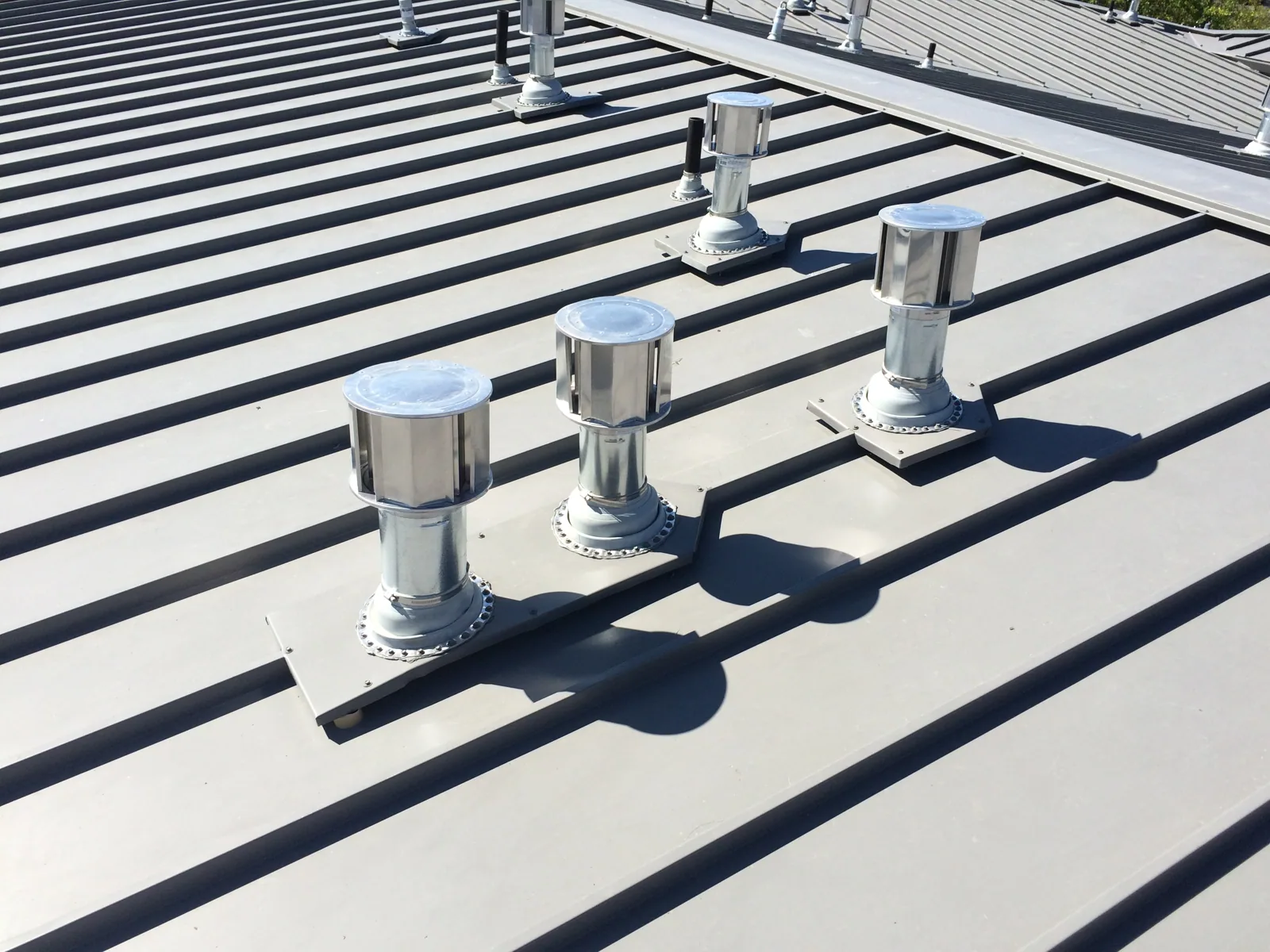
Resolve the component before finishing the flashing
Review the affected curb or penetration with us. We will explain retained-sheet preparation, preceding component work and the selected permanent roof connection.
Related Roofing Work
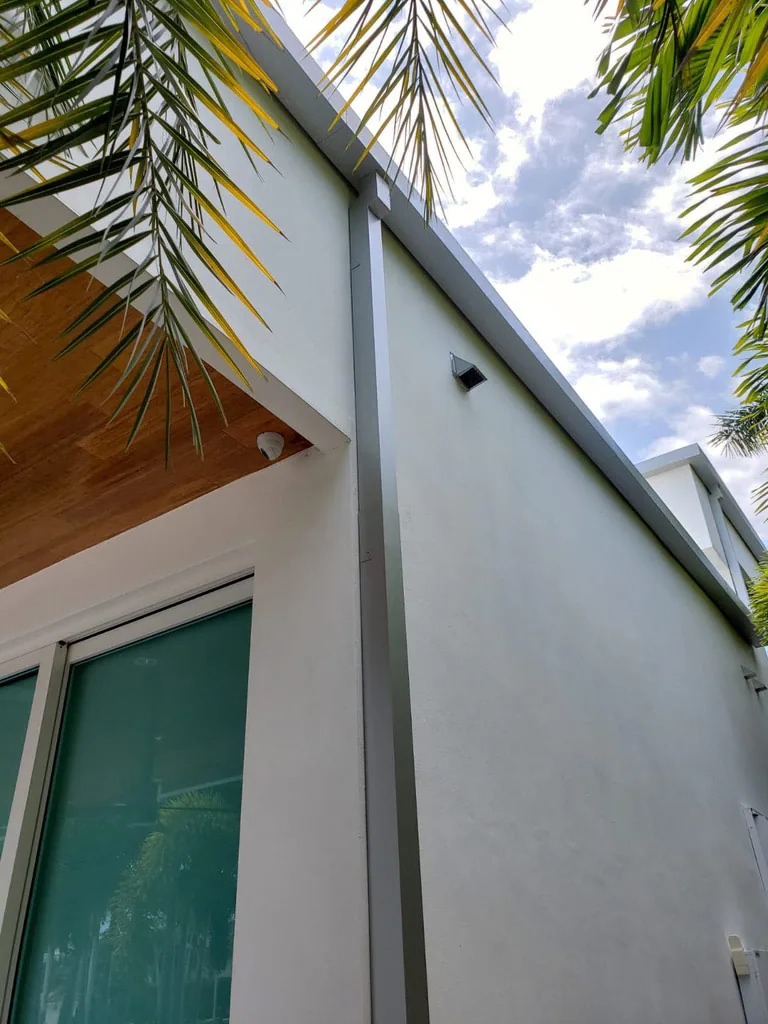
What must be resolved at the supporting component?
Assess the curb, pipe or other surface receiving the selected flashing. Locate damaged supporting faces and changed geometry. Identify the preceding correction where another party must complete component work. The permanent membrane detail should fit the construction in its final condition rather than follow an earlier shape that is about to change.
At a skylight, keep the roofing connection distinct from the glazing or component task. We assess the accessible membrane and curb relationship within the assignment. Identify another review where the reported problem concerns the skylight itself. The roofing proposal should explain its included construction without suggesting that membrane work repairs every part of the unit.
The preceding curb or support task should preserve final dimensions for the roofing crew. Locate the responsible correction and revised detail. A loose supporting face should not be absorbed into the flashing price without identifying how it will be repaired. The asset manager needs that work visible before the permanent connection is installed.
How is the retained sheet assessed?
Identify the roof product beside the component and review prior patch material. Examine the area receiving the new membrane connection. Locate unsuitable retained sheet and define its treatment. A selected flashing accessory needs the correct supporting condition and applicable preparation at that particular position.
Where PVC surrounds the curb or pipe, confirm the product and develop its selected detail. Keep old repair materials visible in that assessment. Another membrane family needs its own preparation and connection decision. The proposal should explain what will receive the repair rather than assume the same method applies at every penetration.
For requested Gilbert Town Hall component work, identify the roof position through the representative at 50 East Civic Center Drive. We would review retained material and the final supporting shape there. The developed scope would locate any sheet removal or backing correction beside the permanent flashing selected for that assignment.
What to Expect
Which geometry changes the permanent detail?
A pipe group, offset curb or adjoining wall can change the space available for flashing. Measure the actual position and review its neighboring construction. Develop the selected accessory or membrane arrangement for that shape. The component should have a resolved face where the permanent roofing connection is planned.
A developed failed-flashing correction should state its removal boundary and new detail. Locate the termination and supporting correction. Where a component is moved or replaced, preserve the revised dimensions before finishing the roof. An old drawing is useful history, but the installed flashing needs the shape that actually remains at completion.
Keep repeated components identified separately where conditions differ. Several pipes can appear similar while one has an earlier patch or another supporting concern. We would locate those differences in the scope. The owner can then understand why one position needs additional work rather than assume every detail receives the same correction.
Review the change from the horizontal sheet to the supporting face. Locate corners, offsets and adjoining patch edges where the chosen detail must turn or terminate. We preserve those positions with the selected material arrangement. The crew needs to know which face receives the accessory and where the retained sheet connection lies before preparing the permanent work.
How should the finished connection be documented?
Record the installed roofing product and selected accessory at the component position. Preserve useful photographs of preparation and supporting correction. Locate changes made during the work. The completion account should distinguish the repaired curb or pipe support from the permanent membrane connection around it.
For Williams Field Road Commercial Area, confirm the affected roof and component through the representative. Review the actual geometry and previous repair information for that position. We would develop preceding correction and permanent roofing tasks there, with any other component review identified separately.
A written component finding record should retain why the detail changed. If exposure reveals another supporting defect, locate the condition and revised work before roofing covers it. The owner can review the changed task against the material found, while the crew receives the current permanent detail.
Use the completion reference for later maintenance or equipment revision. Another crew needs to know which material forms the connection and which component correction preceded it. Record new changes separately from the earlier installation. This supports the next repair decision without turning every return symptom near a penetration into another undifferentiated allowance for sealant.
Examine the skylight curb, membrane turn-up, corner patches and upper-side transition as separate parts of the penetration. A failed surface seal alone may not explain water if the curb edge, unit frame or nearby roof seam is also open. The proposed repair should identify which component is included, the preparation required and the connection receiving the new flashing. If the skylight assembly itself needs adjustment or replacement, assign that work to the appropriate responsible party before the roof detail is closed.
Questions Owners Ask
What should a Gilbert penetration repair assessment distinguish?
Locate membrane defects and the condition of the supporting component. Develop the roofing correction separately from any preceding curb, pipe or skylight task.
Does a stain below a skylight identify the roof flashing defect?
The reported symptom guides investigation but needs roof findings behind the recommendation. Review relevant component and neighboring construction questions before selection.
How should retained roofing affect the flashing choice?
Confirm its product and assess earlier patches beside the connection. Develop preparation and selected accessories for the actual material receiving the repair.
Why measure a changed component before flashing it?
Final geometry determines the permanent detail. Preserve corrected dimensions and responsible supporting work before the roofing connection is completed.
What makes the flashing record useful for later work?
Keep installed products, component positions and supporting corrections together. Locate revised details and distinguish additional component review from completed roofing.