
Eastmark Commercial Roof Repair Guidance
Home / Service Areas / Eastmark
Are you being offered a roof coating when you asked for a repair? An owner reviewing commercial work near Eastmark should understand what the treatment is expected to accomplish and which defects need attention first. A new surface finish cannot answer every question about a damaged connection, wet material or inadequate support. Commercial Roof Repair Gilbert walks through those distinctions so the proposed scope makes sense before you approve it.
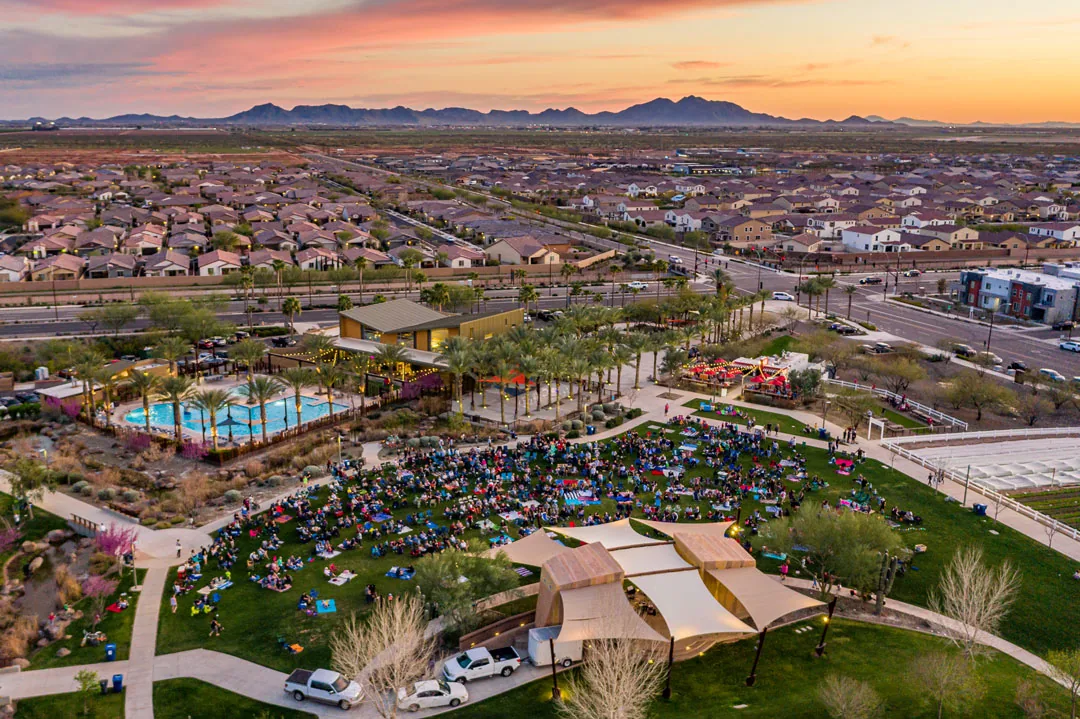
Eastmark is a community in Mesa. For a commercial building near Eastmark, we review the roof you identify and the conditions that can be examined there. Start with the complaint or maintenance concern, then compare the proposed work with the findings. If another building in Mesa needs review, keep its material and access decisions on its own record. A similar-looking roof may need a different treatment once its details are examined.
What problem is the proposal meant to solve?
We identify the principal defect with you before discussing a product. Is water entering through a damaged seam, a penetration transition or an outlet connection? Is the concern surface deterioration over a broader area? Has equipment work left an unresolved detail? The answer determines whether the next step is a local reconstruction, a wider investigation or an assessment for restoration. A product name by itself does not explain that choice.
For an active water report, connect the interior observation with exterior conditions that could account for it. Note when the water appeared and whether the location changed after earlier work. Inspect accessible details and identify any limitation that prevents a firm conclusion. Commercial roof leak repair should address a plausible entry route with a defined method. When the route remains uncertain, the written recommendation should explain the next useful check rather than present a broad coating as a substitute for investigation.
Understand the work proposed for your Eastmark roof
Arrange a roof review with an asset manager and request written findings with a line-item scope. We can explain the repairs, suitability checks and practical arrangements behind the proposed treatment.
Related Roofing Work
Which details need rebuilding before treatment?
A damaged connection can require work that extends below the visible surface. An open seam needs examination of the adjoining membrane and a suitable way to reconnect it. At a curb, the flashing may need replacement or reconstruction so the transition and upper termination are secure. A patch over a puncture needs sound surrounding material and an appropriate supporting surface. Each repair should explain what remains and what is being removed.
Drainage connections also deserve direct examination. Clear an obstructed route as appropriate, then evaluate the outlet and the adjoining roof construction. If deterioration extends beneath a detail, define how the additional area will be assessed and authorized. These tasks belong in the repair scope before a restoration finish is applied. They also provide an owner with meaningful differences to compare when one proposal lists general preparation and another describes specific seam, flashing and outlet work.
Is the existing roof suitable for restoration?
Restoration depends on a roof that can receive the specified treatment. Identify the existing covering and confirm compatibility with the proposed preparation and coating. Review whether retained materials are dry and sound as needed for that assembly, and assess defects that cannot be corrected by cleaning alone. We explain the examination needed to answer those questions. A surface that appears reasonably uniform can still have a failed detail or concealed material problem.
A proposal for roof coating restoration should state the preparation, repairs and treatment being offered. Ask how adhesion or other required suitability checks fit the work. If the condition of insulation or cover board is uncertain, discuss examination before deciding to retain it. Roof insulation and cover board work may change the scope when damaged layers are uncovered. The important owner decision is which construction will support the finished repair and why it can remain.
What to Expect
When does another option deserve comparison?
A coating may be appropriate for one roof and insufficient for another. If a broad area has unreliable connections, wet layers or other unresolved assembly concerns, compare a wider repair or replacement assessment. Ask for the findings that justify changing the extent of the work. You should understand whether the concern is the covering, the details, the material beneath or several of those together. That explanation is more useful than a general statement that the roof is old.
The comparison should cover retained construction, removal, drainage and attachment as applicable. It should also identify what examination is still needed before committing to an option. Roof capital planning can organize a larger decision around actual findings and the owner's priorities. It should not conceal an unresolved repair question behind a future budget. If your review also includes a property near Gateway Village Center Area, evaluate that roof independently before combining project timing.
How will preparation and removal affect the property?
Explain your building's access limits, occupied areas and permitted staging locations before scheduling the work. Cleaning, removing damaged material and rebuilding a detail can create different protection needs. Ask what will happen below the work and how materials will be moved without obstructing a route your representative needs to keep available. We work through those arrangements with your building contact before settling the work plan.
Any opening needs a practical closure plan. Discuss how large a work area can be exposed, who monitors changes in conditions and what must be secured at the end of a shift. Name the person authorized to approve an unexpected repair extension. When restoration follows hidden repairs, request photographs before those repairs are covered. This gives the owner a useful record of the underlying work and makes the final treatment easier to evaluate against the agreed scope.
What should the finished record explain?
Before authorizing the amount, compare cleaning, preparation, component repairs, retained-layer assumptions and protection. Clarify whether examination or replacement of concealed damaged material is included or requires a separate decision. Ask how additions will be documented. These items can explain a substantial difference between proposals that both describe restoration. The written scope should let you follow that difference without needing to infer it from the total.
At completion, retain the repaired locations, relevant preparation records and photographs of the finished details. Review written warranty terms for the actual work and note any excluded roof, wall or equipment concern. A sensible maintenance handoff also identifies what the owner should monitor and who should receive a renewed water report. Your roof file then explains the treatment as part of a considered repair, with the remaining concerns visible to the next person managing the building.
Questions Owners Ask
Can a coating stop every roof leak?
No single treatment answers every defect. A failed connection, unsuitable retained material or unresolved equipment detail may require separate work. The proposal should identify those conditions before recommending a surface application.
Why does surface preparation affect the scope?
Preparation determines whether the specified treatment can be applied to the existing covering as intended. Cleaning, compatibility checks and repair of defective details need to be described clearly enough to compare what each contractor includes.
Will a damaged section need removal?
Local removal may be necessary when the surrounding or underlying material cannot support the proposed repair. Document the condition and agree on authorization before extending the removal beyond the approved boundary.
What if we are comparing restoration with replacement?
Request findings that explain the condition of the covering, details and retained layers. Compare how each option addresses those findings, along with access, protection and any unresolved examinations that could change the scope.
Which photographs are useful at completion?
Keep images of rebuilt seams and flashing, any repaired material later concealed and the final treatment. The record should connect those photographs to locations and identify concerns left outside the completed work.