
Hail Damage Roof Repair in Gilbert, AZ
Home / Roof Damage Repair / Hail Damage Roof Repair
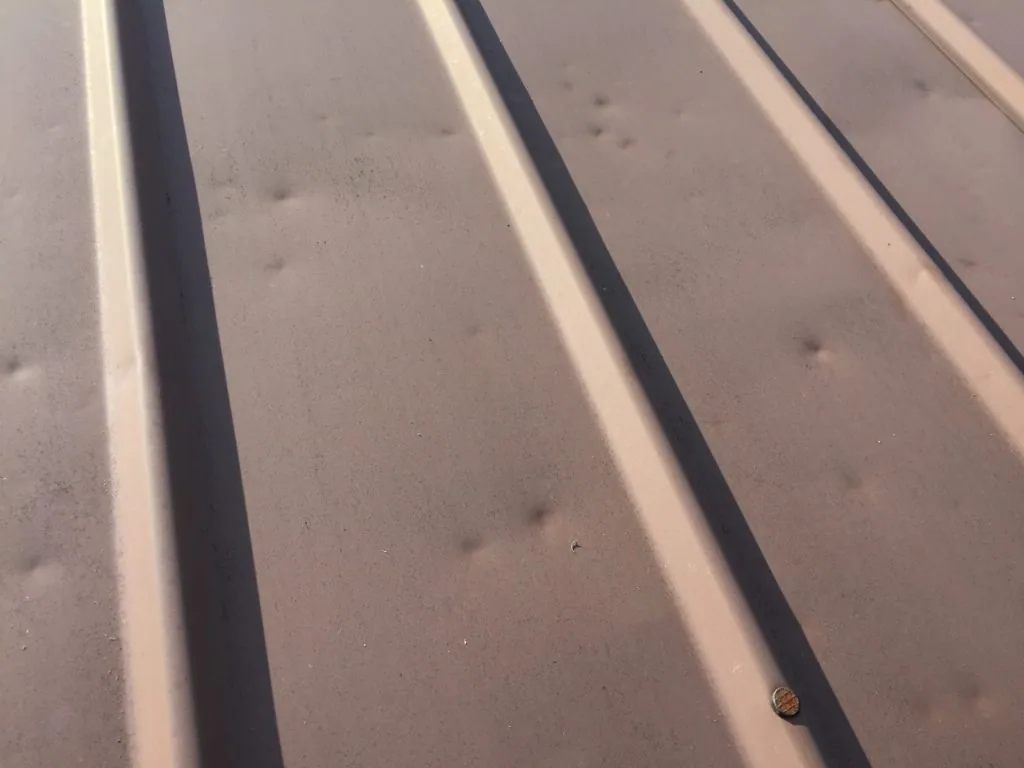
After a hailstorm rolls through Gilbert, the question for a building owner is simple: did it actually hurt the roof, and what will fixing it take? Hail damage roof repair starts on the roof itself, at the sections you are worried about. We inspect the membrane, flashing, seams and rooftop metal we can reach, and say clearly where we need a closer look before calling something damaged. Knowing a storm hit on a certain day does not tell you what happened to your roof. A photo of a dent on a vent hood does not show whether the insulation below took a hit. We go through what we found and what we propose, so the repair fits your building and not a generic storm claim.
For Gilbert Town Hall at 50 East Civic Center Drive, a hail inspection would start with the areas of concern and any storm details the staff could share. At Southeast Regional Library, 775 North Greenfield Road, we would note its concerns separately and inspect that roof on its own. A membrane puncture repair check covers any holes and the layers under them. The report ties each repair to something we saw, and keeps open questions about cause apart.
What did we actually find?
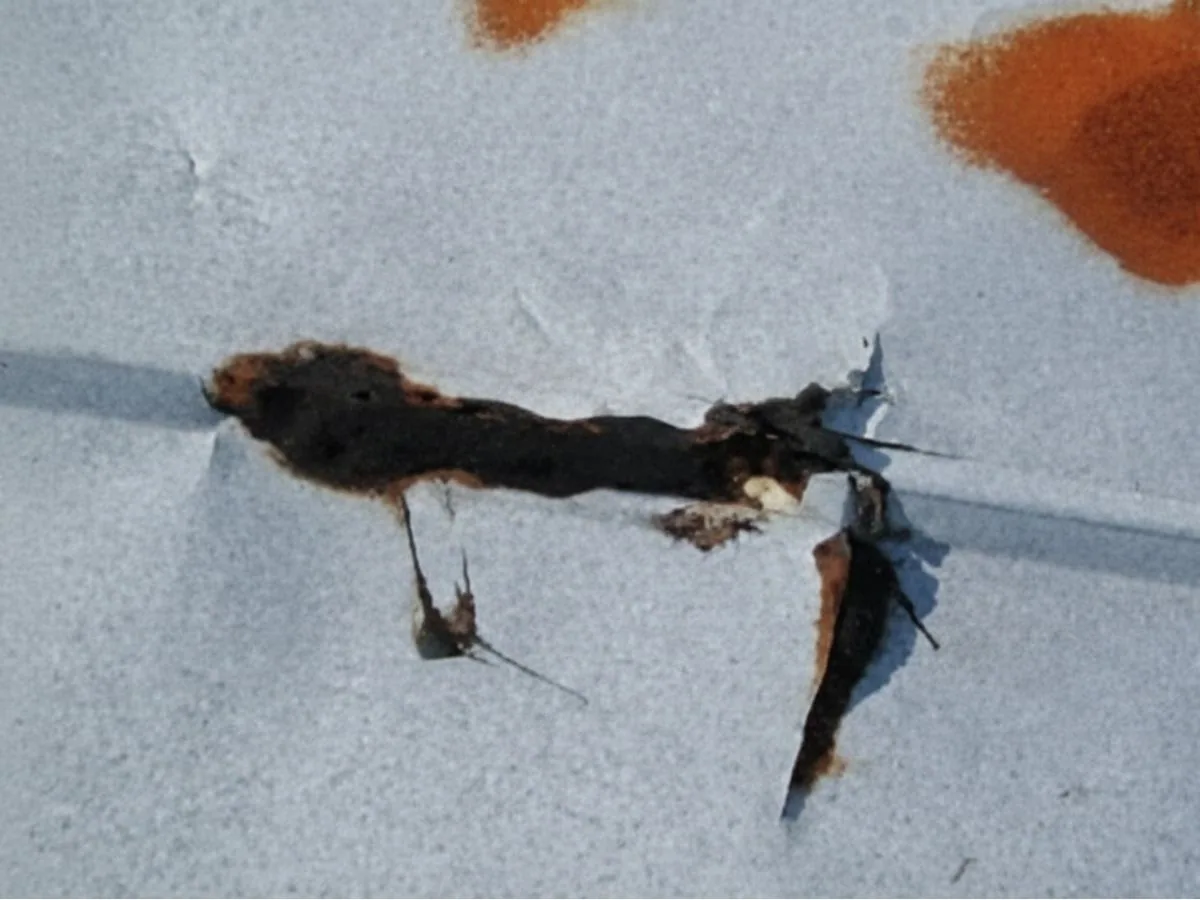
We start with what is on the roof, then compare it with what the owner reported. Punctures, cracked membrane, split seams, loosened flashing and dents get photographed and pinned to a spot on a roof plan. The storm date and any earlier photos are noted as the owner's information. A dent on metal is not automatically a repair item; we check whether it actually affects how that part sheds water. The owner should be able to see what needs fixing and which questions about cause are still open.
A commercial roof inspection after hail lists the areas we walked and maps each finding. A dent in a metal cap and a fracture in a membrane are very different problems. Bruised modified bitumen or a cracked older TPO sheet can leak months later, while a dented unit cabinet may be purely cosmetic. We also check the seams, flashing and rooftop equipment around each spot. Areas we did not reach stay out of the recommendation.
Older photos and repair records help where they exist. They can show whether a spot was already damaged before the storm, but not what the rest of the roof looks like. If the surface alone does not settle what repair is needed, we say what further testing would. The scope follows what we found, not one storm story applied to the whole building.
Find out what the hail actually did
Tell us which Gilbert building you are worried about and share any storm photos or repair history. We will inspect the roof, show you what we found and give you a written estimate for the repairs it needs.
Related Roofing Work
What roof system is up there?
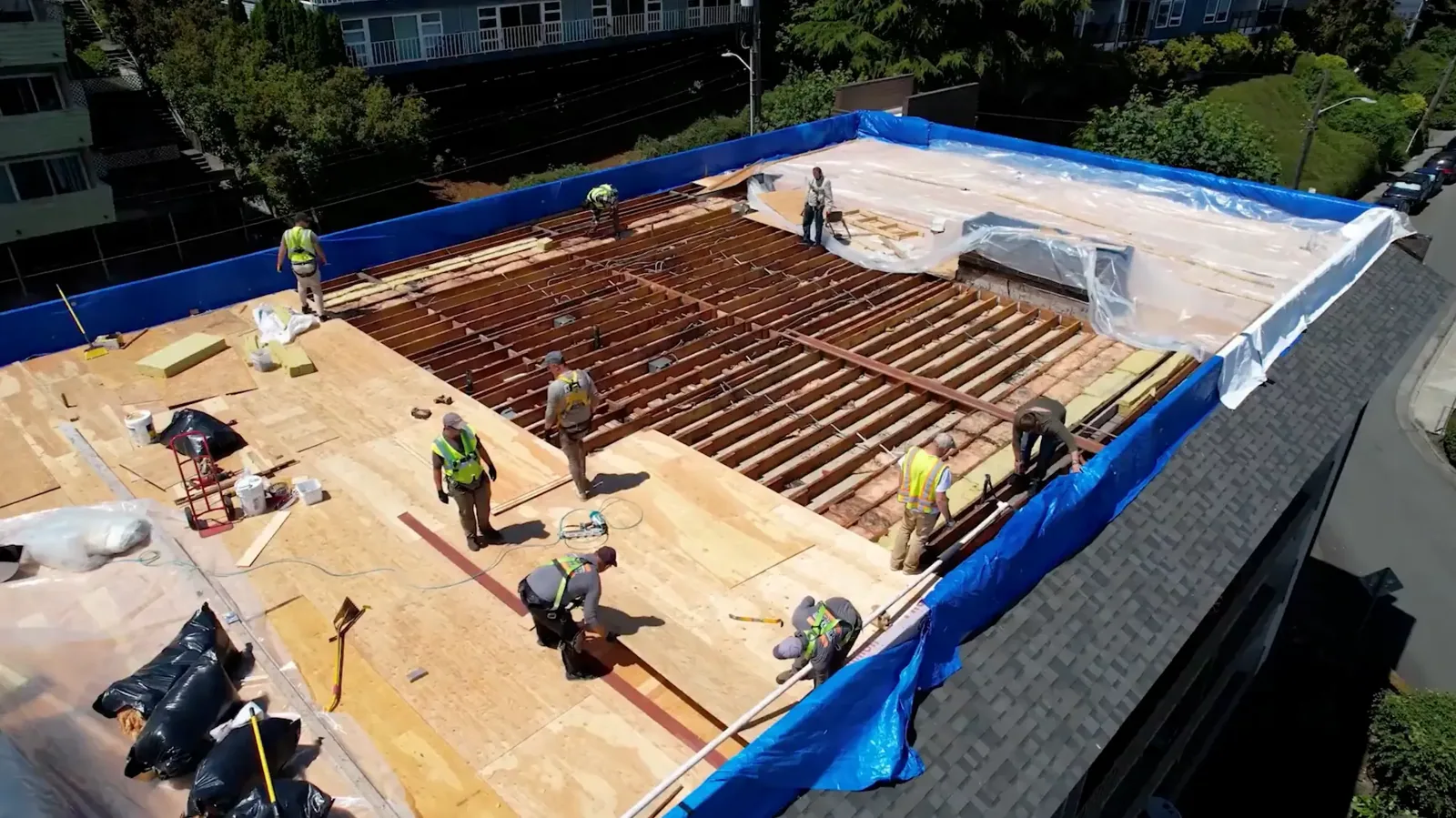
The roof system decides how a finding turns into a repair. We confirm the membrane, any earlier patches and the condition of the sheet around each damaged spot. A puncture in TPO needs a compatible weld or patch tied into sound membrane. Hail damage to metal needs a look at the panel or trim and how it is fastened. Those are separate repairs, and they should not share one generic patch price.
A commercial roof repair estimate says what existing roof stays and where the new work starts and ends. It shows how much membrane comes out and how the new piece ties in. If wet insulation or damaged blocking turns up, it gets added where the inspection shows the need. If the damage reaches a wall, a curb or a drain, that repair is listed on its own, along with any work another trade has to do. A single square-foot number should not hide those items.
If a bigger repair or full replacement is on the table, we look at how much area it covers and what it would keep or tear off. We explain the testing behind that choice. A spot that looks the same as a damaged one may still be fine underneath. The owner gets the repair limits, the materials and any open question next to each option.
What is hidden under the membrane?
Hail can crush insulation or crack a cover board without leaving much of a mark on the surface. We note what we were able to check underneath, with photos and clear limits. If insulation we did not see is going to stay, the estimate says it was not checked. One core in one spot does not prove the whole section is sound. The owner should know when a test could change how much gets torn off. A good recommendation says so up front instead of treating a clean-looking surface as proof.
An infrared moisture survey can point to wet insulation, when scan conditions are right. It does not catch everything. If an option depends on the layers below being dry and intact, we recommend cores or test cuts as well. Each cut has a stated reason and gets patched as part of the job. The result applies only to the spot tested.
If we open the roof and find wet or crushed material, the repair may grow. We show where, which layers are involved and how much more work it adds. If a deck or structural support needs changing, an engineer or designer weighs in. A new patch on top cannot fix.
What to Expect
How does the estimate become complete?
Every quantity on the estimate should point to real work: what comes off, what stays and how the roof is rebuilt at that spot. A square-foot measurement does not cover wall flashing or prep around rooftop units. Those tasks get their own lines, next to the detail they affect. The owner benefits when each option says what it fixes and what it leaves alone. Even a full replacement does not automatically include every curb, wall or piece of edge metal.
A flashing failure repair check keeps wall and curb work separate from the field membrane. The HVAC contractor decides how units get shut down and moved. We spell out the curb height and condition we need to flash to. A mechanic being on the schedule does not mean the curb is ready. We confirm it before our part starts.
An insurance adjuster or engineer may also inspect the roof. Their report stays labeled with who wrote it and what it covered. Our report covers what we inspected and the repair we propose. It does not decide insurance or contract questions, and we do not stretch someone else's conclusions beyond what they looked at.
What is agreed before tear-off starts?
Before any tear-off, we go over the plan with building staff: where we will open the roof, how material moves, and when. The people who run the spaces below handle their own prep, like moving files or putting plastic over computers. Sprinkler, alarm or IT staff protect their own lines. Permissions come from the building, not from what type of building it is. An earlier inspection visit is not approval for a bigger tear-off, so that gets confirmed separately.
Where each day's work stops depends on how the roof is built and what is being repaired. We agree on how the roof gets sealed watertight before opening a section. A short work window may not fit the full repair. Return trips are planned when another trade still has prep to finish. If the scope changes, we keep the roof dry while the change is reviewed, and added quantities go through the building's approval process.
We can respond to urgent leaks overnight, on holidays or on weekends. The report says what was patched and why. More testing or a permanent repair may still be needed. A quick response does not mean the layers below are fine or that every concern has been handled.
What should stay on file afterward?
Keep the inspection report with the repair that followed. That means the first findings, prep photos and the finished details, all by location. It also lists the materials used and any approved changes, with the quantities they affected. Temporary patches are kept separate from permanent work, and open items or other trades' work are listed. You end up with a clear record of what was fixed without assuming every concern from the storm is closed.
Buildings along the Williams Field Road commercial corridor keep their own records. If a new leak shows up later, we compare it with the earlier findings and repair limits. Outside reports stay labeled with who wrote them. The next recommendation starts with a fresh inspection, with the old file as background.
Questions Owners Ask
Can a reported hail date establish every roof condition's cause?
No. A storm date tells you hail fell nearby, not what it did to your roof. We inspect the roof and report what we find. If the evidence does not show whether hail caused a problem, we say so.
Why identify the assembly before selecting correction materials?
Because TPO, PVC, EPDM, modified bitumen and metal each need different repair materials and methods. We confirm what is on your roof first. A repair that worked on another building does not prove it will bond here.
What supports a retained-layer decision?
What we found when we checked under the membrane, and nothing beyond it. If keeping the insulation depends on it being dry, we recommend cores and include patching them in the price.
How do you handle an adjuster's or engineer's report?
Labeled with who wrote them and what they covered. Our findings stay separate. We do not apply an adjuster's or engineer's conclusions to parts of the roof they did not inspect.
What work might still be open after the hail repair is done?
Curb or wall prep by other trades and any testing still pending. Those are listed apart from the repairs we completed. Fixing one spot does not mean every storm concern is resolved.