
Membrane Puncture Roof Repair in Gilbert, AZ
Home / Roof Damage Repair / Membrane Puncture Roof Repair
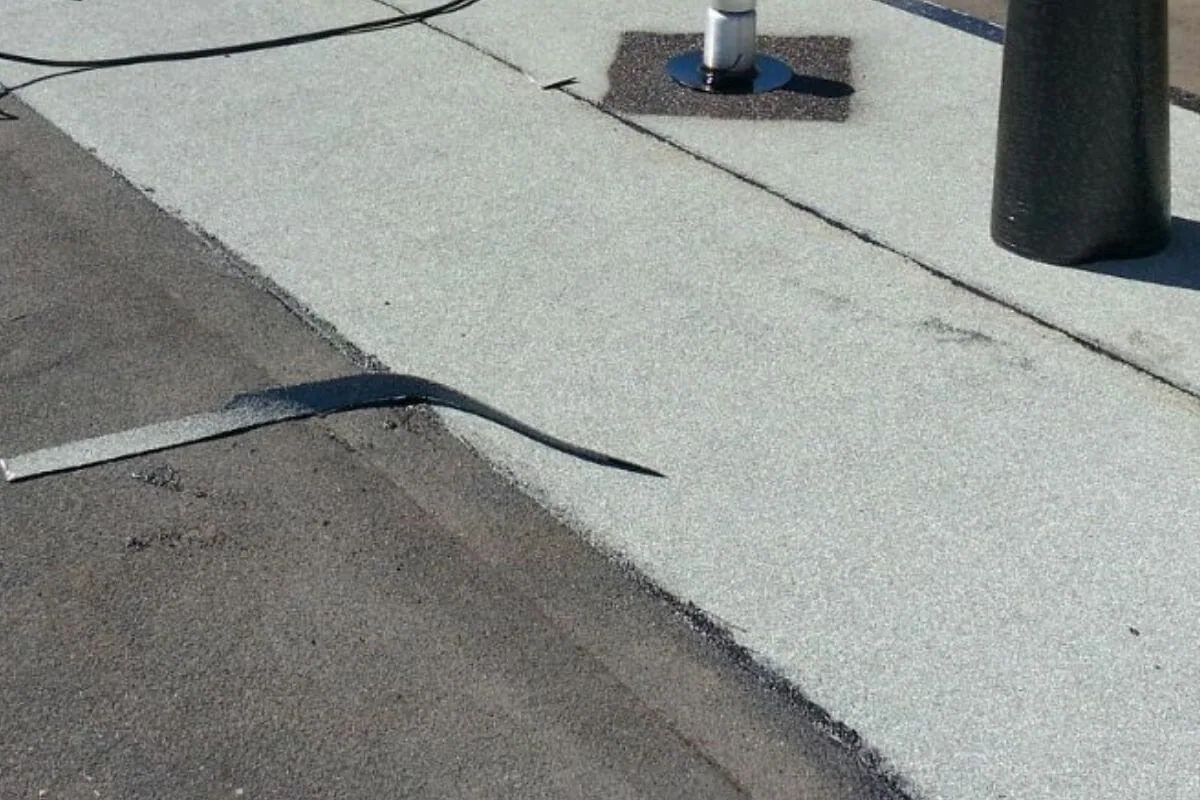
A hole in a commercial roof membrane is easy to spot and easy to underestimate. Most punctures we see come from foot traffic around rooftop units, a dropped tool or screw, a fastener backing up through the sheet, or debris thrown across the roof by monsoon winds. The hole itself might be the size of a pencil. The real question is what's underneath it. If water has been getting in for weeks, the insulation or cover board around it may be soaked, and a bigger patch on top won't fix that. We also can't always tell you what caused the hole, and we don't pretend to. Our estimate covers how far the repair extends, what gets replaced under the membrane and how the new patch is sealed.
On a building like Gilbert Town Hall on East Civic Center Drive or Southeast Regional Library on North Greenfield Road, a puncture repair would start with the facility contact showing us the spot and the leak below it. Punctures near a seam need extra care, so we check whether seam failure repair is part of the fix before deciding how big the patch should be.
What did we find at the hole?
First we find the puncture and mark it, with a close-up photo and a wider one that shows where it sits on the roof. We ask about the leak inside, any recent work on the roof and any earlier patches nearby. A rooftop unit service call last week is a useful clue, but it doesn't prove the technician caused the damage. What matters for the repair is the hole and what's under it, whatever the cause turns out to be.
A roof inspection looks beyond the single hole. We check the membrane around it and nearby details, and mark any other punctures or damaged spots separately. One visible hole doesn't mean every ceiling stain in the building came from it. If what we find on top doesn't explain the leak inside, we say what we'd check next.
The first repair boundary is set by how far the damage reaches. We note where the membrane around the hole is sound and what we still need to confirm underneath. If a test cut is needed, we explain why and how we'll seal it. That way you're not assuming the visible hole is the whole story.
Get the puncture fixed properly
Show us where the hole or leak is on your Gilbert building. We'll check the membrane and the insulation under it, then send a written estimate for a permanent repair, with anything still unknown spelled out.
Related Roofing Work
What kind of membrane is it?
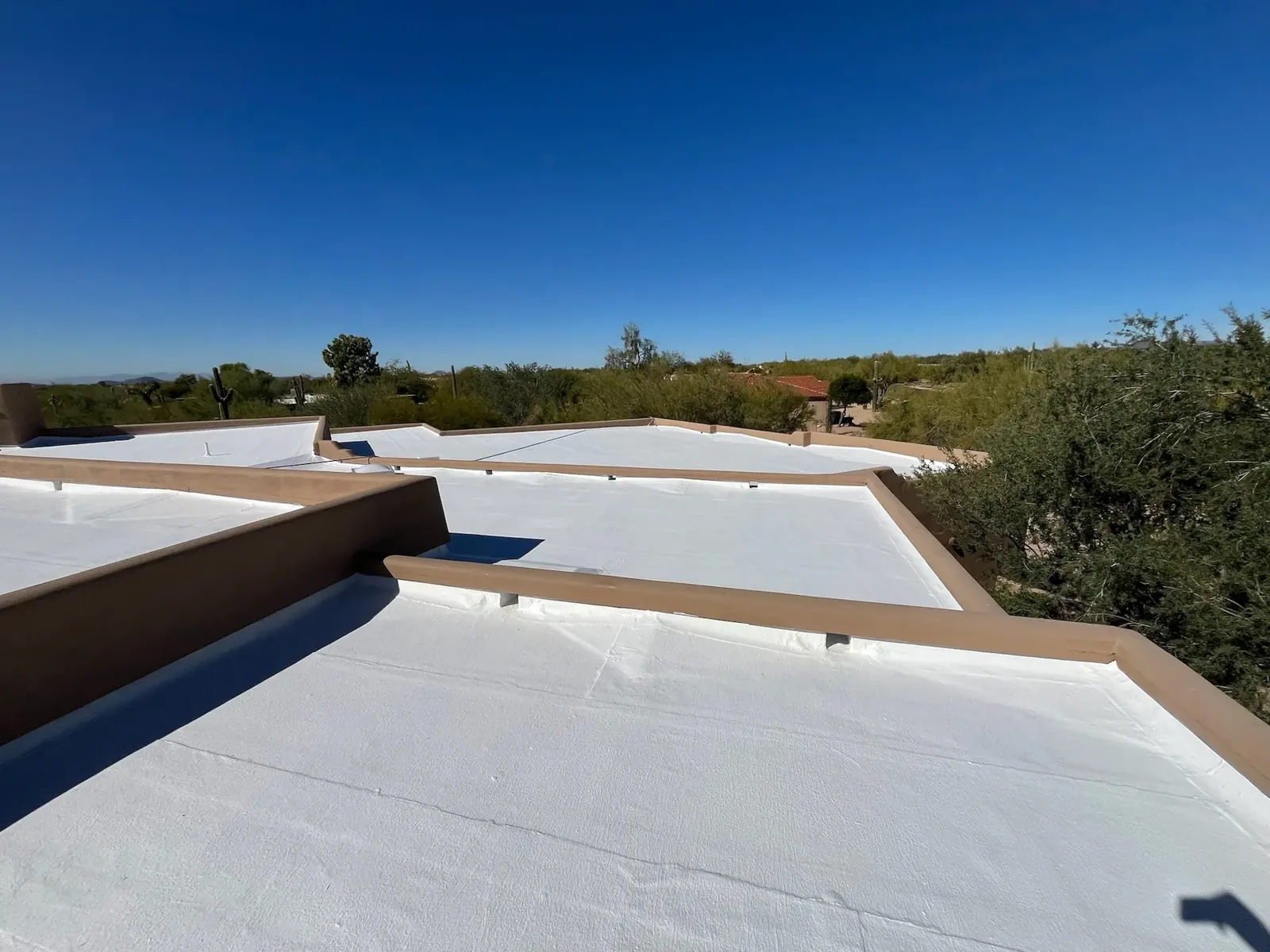
Before choosing repair materials, we confirm the membrane type. TPO and PVC are heat-welded, EPDM uses tapes and primers, and modified bitumen is torched or set in adhesive. Two white roofs can look the same and still need different products. If you have the original roof paperwork, we use it, and we check it against what's actually on the roof. A repair that worked on the building next door tells us nothing about yours.
A proper commercial roof repair spells out how much membrane we cut back to reach clean, sound material and how the new patch bonds to it. On TPO, that usually means cleaning weathered sheet before welding, since Gilbert's sun leaves a chalky surface that won't take a weld as is. A patch size on an invoice doesn't prove the materials are compatible. The estimate should say what the repair actually restores.
Old records can describe the roof as it was built, not as it is now. Later recovers or patches may have changed it. An invoice for materials is a lead, not proof, so we confirm on site.
Is the insulation underneath wet?
This is the question that turns a small patch into a bigger repair. Once we cut around the puncture, we check the insulation and cover board below. If it's wet or crushed, we mark the area, photograph it and explain how much needs to come out. We only call damage what we've actually exposed. If the wet area might extend further, we may need another cut to find its edge before the final price is set.
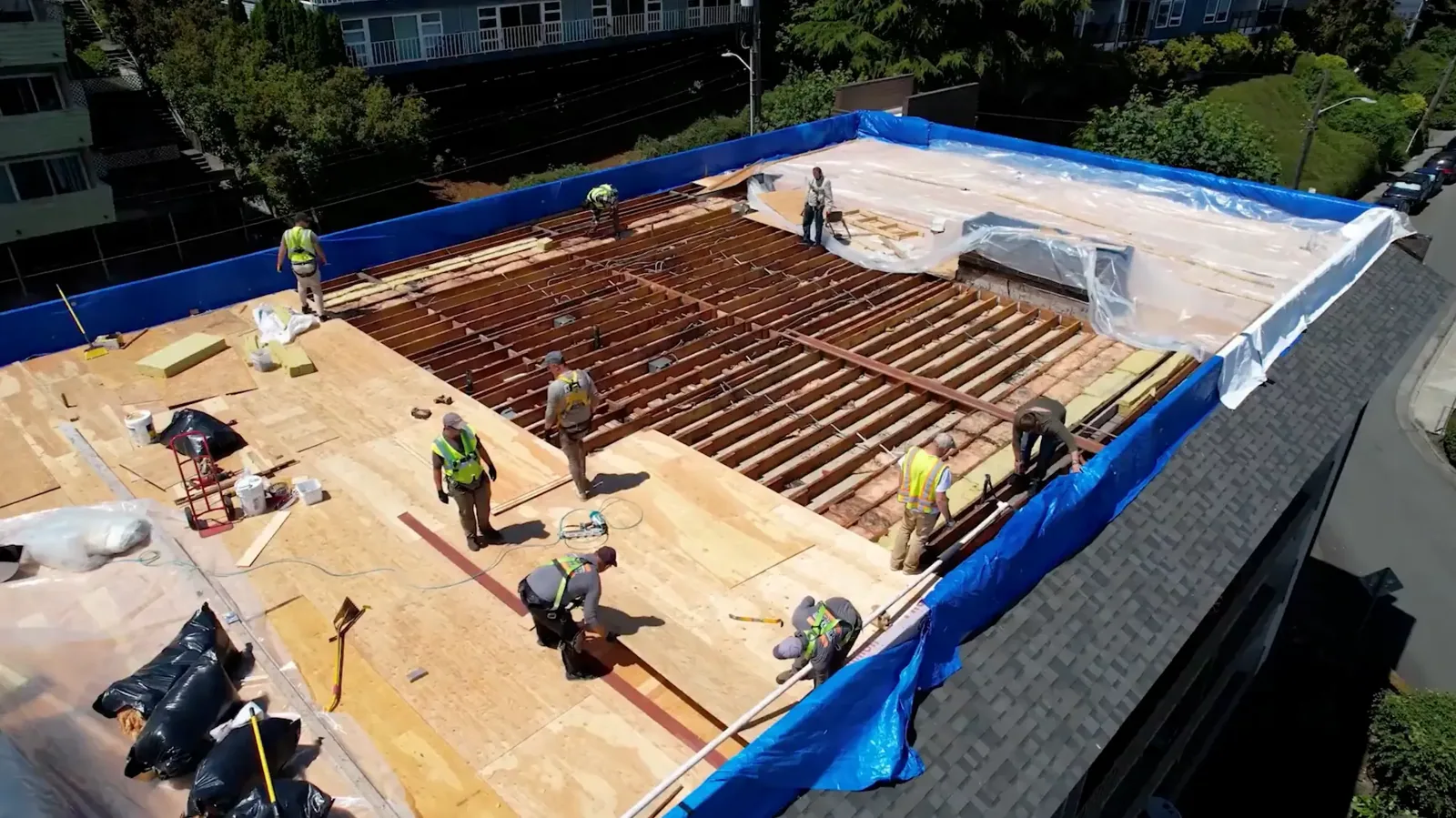
When insulation and cover board need replacing, the scope shows what comes out, what dry material stays and what new layers go in before the membrane is sealed over them. Putting a patch over wet insulation traps the water, and it keeps soaking the deck and losing its insulating value. That work is listed on its own line so you can see it.
If opening the roof changes the size of the repair, we show you the finding next to the new quantity. We also check what's below the larger opening and whether it needs protecting. The change goes through your normal approval, so you see why the job grew and what it adds.
What to Expect
What needs to happen before the patch goes on?
A patch only lasts if the membrane around it is clean, sound and properly prepared. Scrubbing the surface won't fix a sheet that's brittle or a layer underneath that's crushed. We prepare the area to suit the membrane type and keep removal, retained material and the new patch clearly separate in the scope. You shouldn't have to guess the work from a square-foot number. A complete price explains how the repair gets back to solid roofing.
If the puncture is close to a wall or curb, the flashing there may need its own fix. Flashing failure repair is listed separately when it affects how the membrane patch ties in. Fixing one hole doesn't mean every nearby detail was checked, so each repair gets its own boundary and purpose.
Sometimes a rooftop unit or a wall has to be dealt with first. The HVAC contractor decides how to shut down or move equipment. We tell them what the roof needs to be ready. If supports have to change, an engineer reviews it. A scheduled service call doesn't mean the equipment is out of the way.
How do we plan the repair around the building?
Before the crew cuts into the roof, we go over the work with the facility manager. Whoever runs the space below tells us what needs to be tarped or moved. If there's a server room, lab or stockroom under the repair, the people responsible for it decide how it's protected. Roof access routes and work hours get confirmed with the building, not assumed from what type of property it is. Being allowed to inspect the roof isn't the same as approval to open it up.
If the cut-out finds more wet or damaged material, we show you where it is and what it adds. Before the opening gets bigger, we recheck what's below the new area. Revised quantities go through your approval process, and the roof is protected while you decide. The new membrane only goes on once the material under it is dry and sound. An approved contingency doesn't mean the HVAC unit or other prep is ready.
For active leaks we can come out on weekends, overnight and over holidays. We record where we put a temporary seal and what it was. A permanent repair or more testing may still be needed, and an emergency visit doesn't prove every leak is fixed.
What should the next manager be able to find?
After the repair, the file shows where the puncture was, with photos of the insulation work and the finished patch. It names the membrane type, the repair boundary and any approved extras. Temporary seals still in place, open testing and work owed by other trades are listed separately. The next manager can find what was repaired and what's still pending without relying on a single patch photo.
Each building we work on in Rivulon keeps its own repair history. If a new leak shows up, we check it against that history and inspect the nearby details. What we find on the roof now decides the next step, and the earlier record tells us where to start looking.
Questions Owners Ask
Does a visible puncture show everything that's damaged?
No. The hole is only the entry point. Water can soak the insulation or cover board around it, so we cut back and check underneath. Areas we haven't opened aren't assumed to be dry.
How do you choose the repair materials?
We match the membrane already on the roof. TPO and PVC are welded, EPDM and modified bitumen use different adhesives and tapes, so we confirm the type on site instead of going by looks or what another building used.
Why does the repair include work under the membrane?
Because a patch over wet or crushed insulation traps the moisture and won't last. The scope lists what comes out, what stays and what new layers go in, so you can see that work in the price.
What happens if the repair area has to get bigger?
We photograph the extra damage, explain what it adds and check what's below the larger opening. You approve the change through your normal process, and the roof stays temporarily sealed while you decide.
What records come with the finished repair?
Photos of the work under the membrane and the finished patch, the membrane type, any approved quantity changes and a list of open items, such as further testing or equipment work by another trade.