
Drone Roof Inspection in Gilbert, AZ
Home / Commercial Roofing Services / Drone Roof Inspection
Will an aerial image answer the roof question, or does the detail need closer examination? That decision should come before arranging a Gilbert drone inspection. An asset manager may need an overview of the assigned roof or a visual record of a particular area. We would define that purpose and explain what the images can contribute to the roofing assessment.
A drone record should connect photographed conditions with roof positions. It should also identify where the photograph leaves a construction question unresolved. A visible sheet opening, an obscured wall connection and concealed backing do not provide the same information from above. We keep those differences clear so the owner receives useful findings rather than an image folder mistaken for a complete roof assessment.
Which roof question does the imagery need to answer?
We establish the assigned building and the decision behind the requested inspection. Review available roof plans, prior images and reported concerns. Identify the area where aerial photographs would help locate visible construction. A useful assignment describes the information needed, instead of assuming that flying over every roof produces the same evidence.
A roof report with referenced images should identify the photographed area and the observations drawn from it. Locate roof features and important positions consistently. An overview can show the relationship between field sheet, equipment groups and edges. Closer images may help review a particular detail, while leaving its concealed support for another assessment.
Where imagery is requested for Southeast Regional Library, obtain the roof designation and inspection purpose from its representative. The library address is 775 North Greenfield Road. We would review the available property information before arranging imagery. The report would locate the photographed area and identify the questions requiring closer investigation at that particular building.
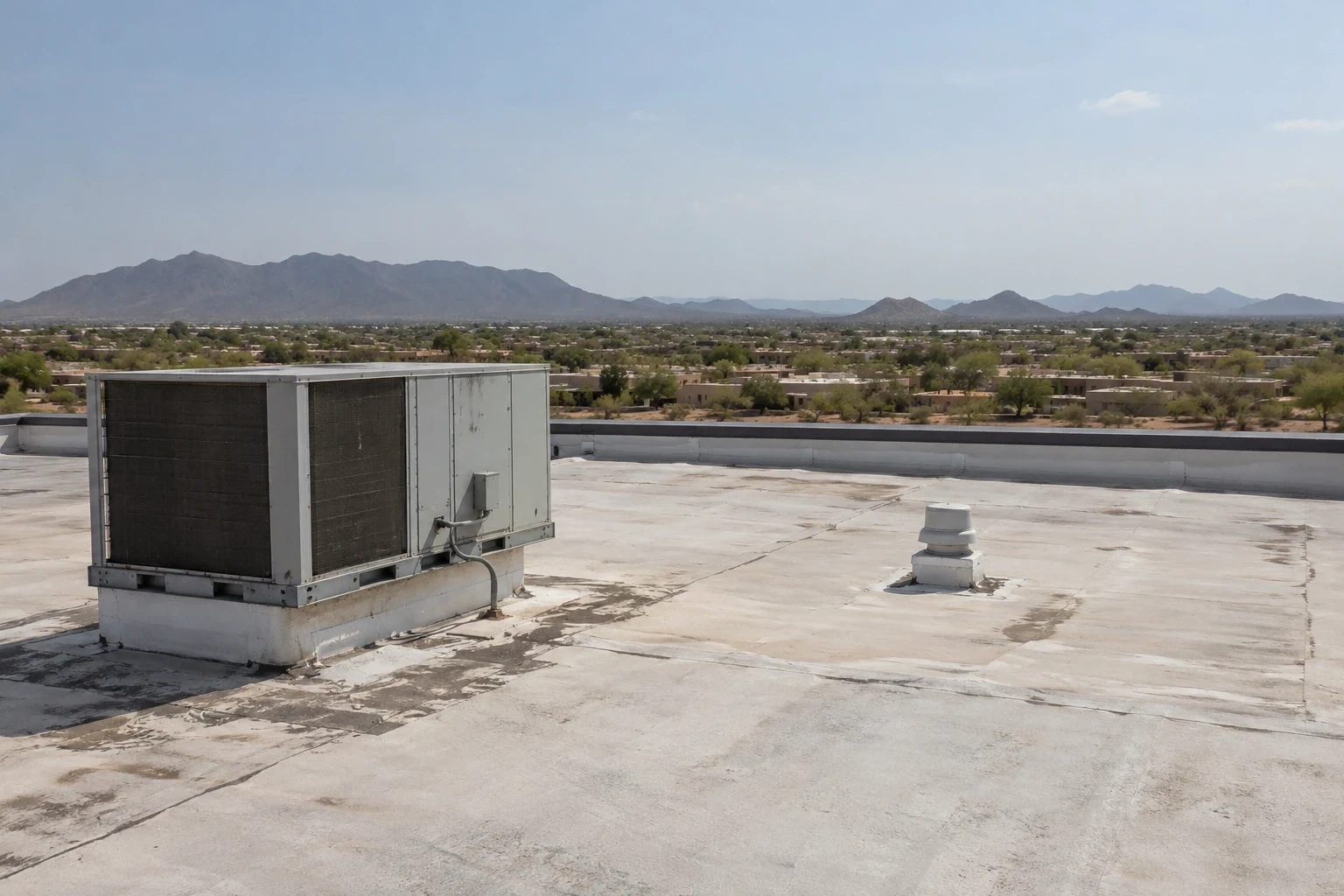
Define the roof question before arranging imagery
Review the assigned roof and needed image record with us. We will explain the aerial assessment and the closer work required for a developed recommendation.
Related Roofing Work
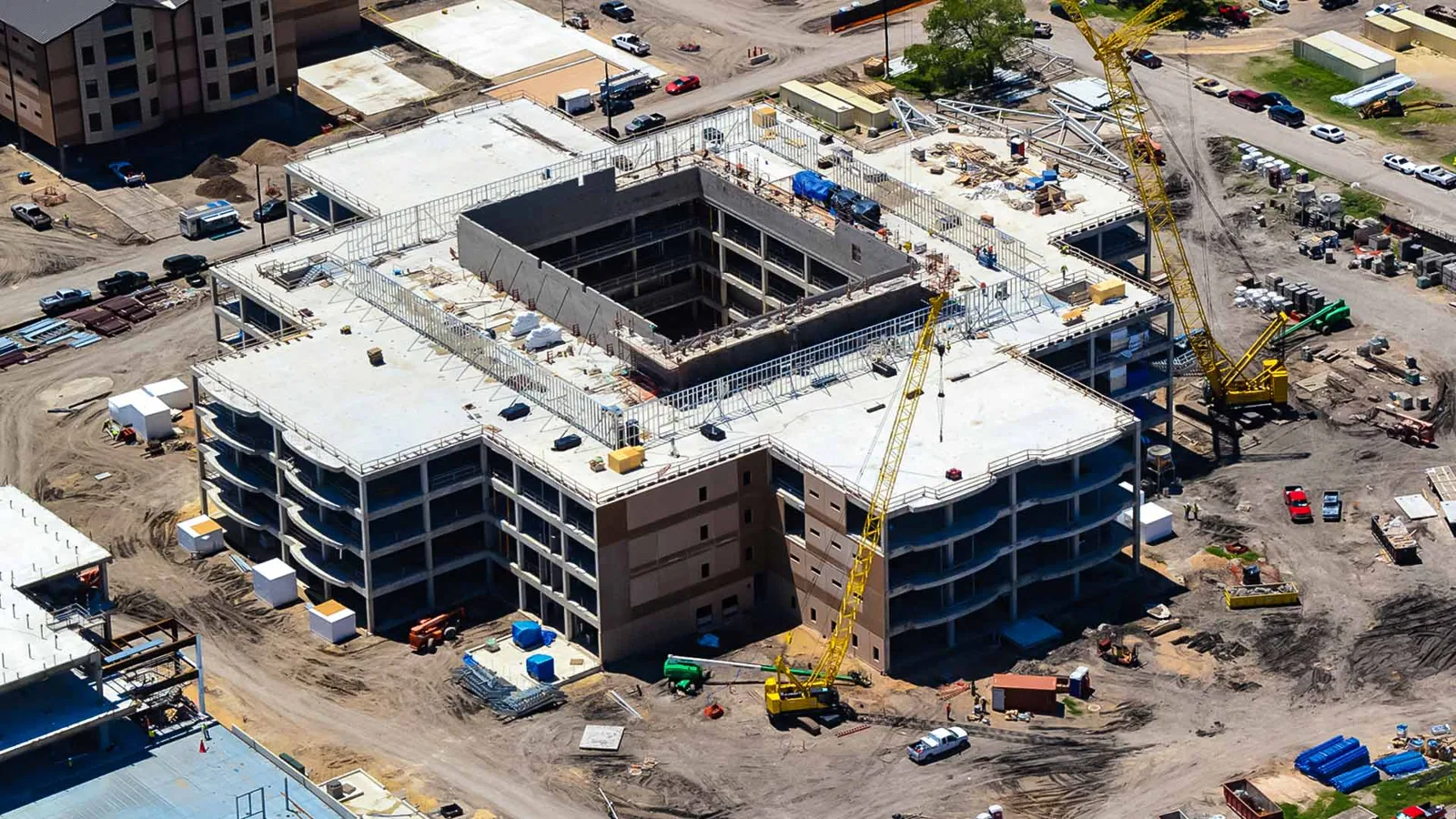
What must be reviewed before an aerial operation?
The operator needs to review the applicable FAA requirements and the actual intended operation. FAA guidance directs commercial operators to understand the relevant rules and determine where flight is permitted. Some operations need additional authorization or review. Keep that responsibility with the proposed operation rather than assuming the property location settles the airspace decision.
We obtain the representative's assignment information and coordinate the requested property arrangements. Identify the intended roof area, access position and conditions affecting the work. The flight review and the roof assessment are related tasks, but one does not replace the other. An aerial image should be obtained through an operation developed for that particular assignment.
A closer roof inspection remains another decision. Identify what can be examined at accessible positions and what further arrangement is needed. A flight should not be described as making an unexamined roof ready to walk. The roofing assessment still needs its own review of the construction and conditions found.
How are visible findings kept in context?
We locate useful observations against the roof reference and preserve the corresponding images. A damaged sheet position should have enough surrounding construction shown to explain where it lies. A wall or curb photograph needs its relation to the adjoining field area. The owner can then follow the observation without guessing which similar component appears in the image.
A permanent repair recommendation needs more than an aerial mark on a plan. Identify the actual material and the condition receiving the new connection. Where the image leaves preparation or backing unresolved, locate the closer assessment needed. We would develop the permanent detail from those findings rather than select a patch only from its appearance above.
For requested Gilbert Town Hall imagery at 50 East Civic Center Drive, confirm the particular roof area through the representative. Review available plans and reported concerns. The aerial account would keep observations attached to that assignment and distinguish them from unresolved detail questions. Any repair proposal would follow the material assessment required at the affected position.
What to Expect
What changes when thermal imagery is requested?
Thermal images provide another kind of information. WBDG describes infrared thermography as interpretive, with construction and conditions affecting its use. A temperature pattern can direct additional assessment, but it does not locate the leak itself. We would review the method for the assigned assembly and keep material confirmation within the resulting investigation.
An interpreted moisture survey should preserve the investigated positions and explain the basis for its conclusions. Review suspected patterns alongside the actual construction. Confirm material concerns where necessary before developing removal quantities. The asset manager should understand why a location needs another assessment instead of treating every thermal difference as damaged insulation.
Keep visual and thermal observations distinct in the report. The visible condition of a membrane and a suspected concern beneath it support different next steps. We connect each recommendation with the relevant finding. A roof image can be helpful without answering every construction question, provided those remaining tasks are expressed clearly in the assessment.
How will the owner use the image record later?
Preserve the roof designation and useful date references with the images and written observations. Locate limitations and recommended follow-up. Keep additional inspection findings beside the related aerial positions when those areas are examined. This makes the evidence usable for a project discussion without overstating the construction that the photographs actually showed.
For requested Williams Field Road Commercial Area, establish the particular building and roof assignment before developing arrangements. Obtain the representative's work-area information and define the intended image record. We would assess what the photographs show there and locate any closer review needed for permanent roofing decisions.
A roof record for later assessment should distinguish the aerial observations from the work subsequently completed. Preserve the repair positions and installed material alongside that record. Another visit can review current construction against the dated evidence, with new findings identified separately rather than assumed to match the earlier images.
Where a position could not be usefully photographed, record that limitation and the further task needed. The owner should not have to discover missing coverage during a later repair proposal. We would return an understandable account of the assigned roof, the visible findings and the unresolved questions that affect the next project decision.
Aerial imagery can establish broad roof layout, surface changes and access constraints, but it does not reveal every condition at membrane seams or below the surface. Pair useful views with a ground-level or close examination of suspect transitions when the repair choice depends on attachment, backing or moisture. Label each image by building and roof zone, then connect it to the written finding. This gives the owner a clear record of what the flight observed and what still needs direct confirmation.
Capture the image date and viewing direction so a later photograph can be compared with the same roof zone.
Questions Owners Ask
What should define a Gilbert drone roof inspection?
Identify the roof area and the decision the imagery needs to support. Develop the operation and report around that particular assignment.
Does an aerial photograph settle a permanent repair method?
Visible findings can guide closer assessment. Confirm the material and supporting condition at the proposed connection before selecting the permanent correction.
Who reviews requirements for the proposed aerial operation?
The operator must assess the applicable FAA requirements and intended flight. Coordinate property arrangements separately through the designated representative.
How should aerial thermal patterns be used?
Interpret them with the actual assembly and conditions. Confirm material concerns where needed rather than assume the image identifies a leak or exact removal quantity.
What should remain with a drone roof inspection record?
Keep roof positions, useful images and written observations together. Identify limitations and later examination or repair separately from the original aerial findings.