
SOPREMA Commercial Roofing in Gilbert, AZ
Home / Roofing Manufacturers / SOPREMA Commercial Roofing
Is the proposed liquid flashing a reinforced membrane or an unspecified surface treatment? A Gilbert owner should be able to tell from the written SOPREMA scope. The resin, reinforcement and prepared supporting surface belong together. We would examine the affected construction and explain the permanent detail before proposing material over an existing corner, penetration or transition.
Begin with the roof position and the reason for the work. Locate old repairs and component changes around that area. A product applied in liquid form still needs a defined connection to suitable construction. We develop that connection from the actual material and geometry examined, keeping the repair boundary clear enough for the asset manager to follow.
Which resin and reinforcement are being selected?
SOPREMA identifies ALSAN RS 230 FLASH as a PMMA liquid resin for flashing applications. Its product description pairs the resin with ALSAN RS Fleece to create a reinforced waterproofing membrane. We would name both selected components in the proposed work. An instruction to apply liquid flashing without identifying its reinforcement does not fully explain that particular construction.
SOPREMA describes ALSAN RS Fleece as non-woven polyester reinforcement. Its listed formats include rolls and pre-cut detail kits for corners and pipes. The selected format needs to fit the actual detail under the applicable instructions. We examine the shape and adjoining material before developing that decision rather than assume every kit resolves an altered component.
Review the retained sheet within the modified-bitumen roof assessment where that is the existing construction. Identify the product and exposed condition at the intended connection. The selected resin detail must be developed for that material and position; a broad roof category leaves too much unresolved at the repair boundary.
For a requested SOPREMA flashing assessment at Gilbert Town Hall, obtain the particular roof designation from its representative. Record the building address, 50 East Civic Center Drive, with that request. We would examine the assigned connection and develop the resin, reinforcement and preparation appropriate to the work being considered.
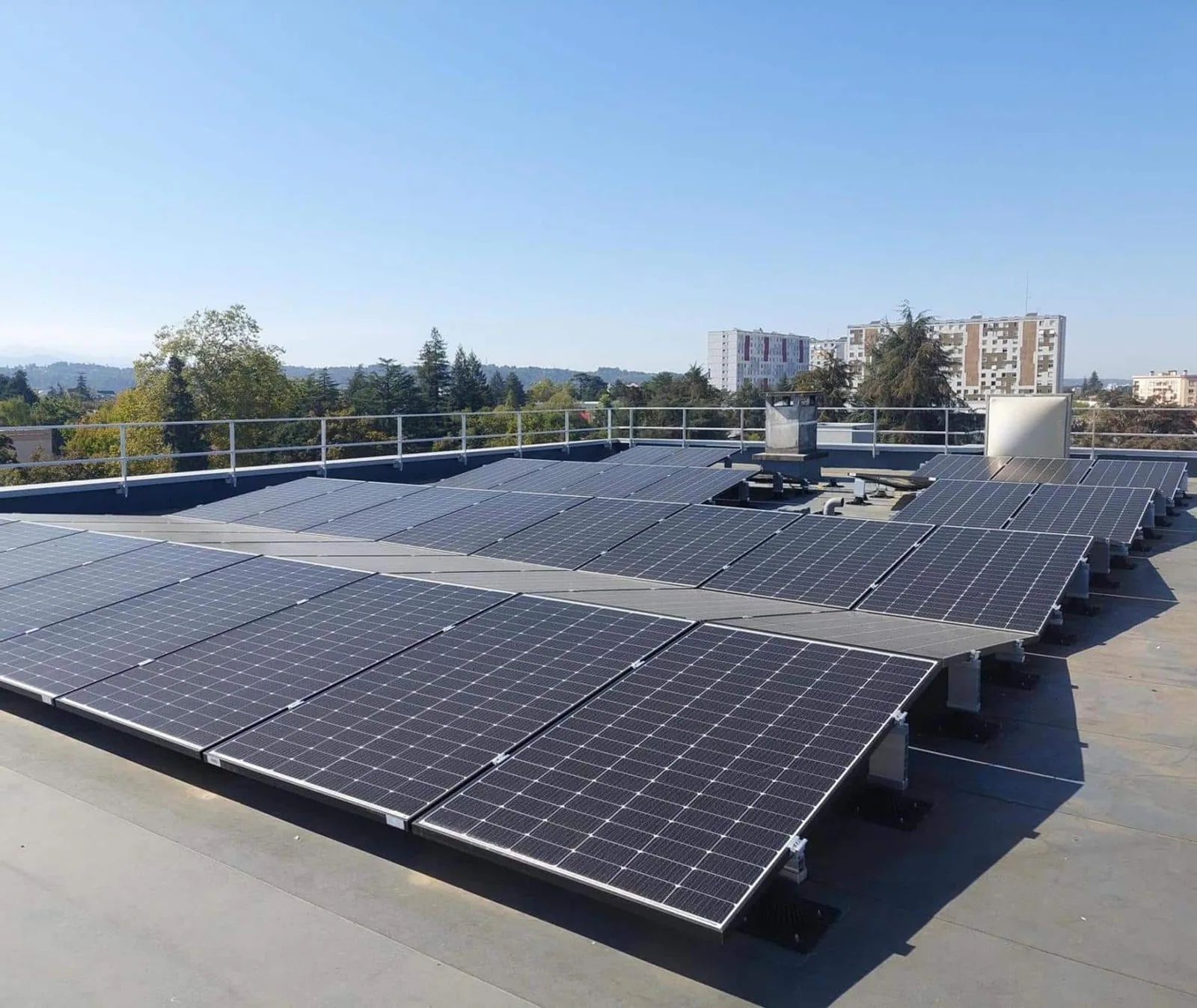
Define the SOPREMA reinforced flashing task
Review the affected detail with us. We will explain resin and reinforcement selection, preparation and permanent boundaries in the written work.
Related Roofing Work
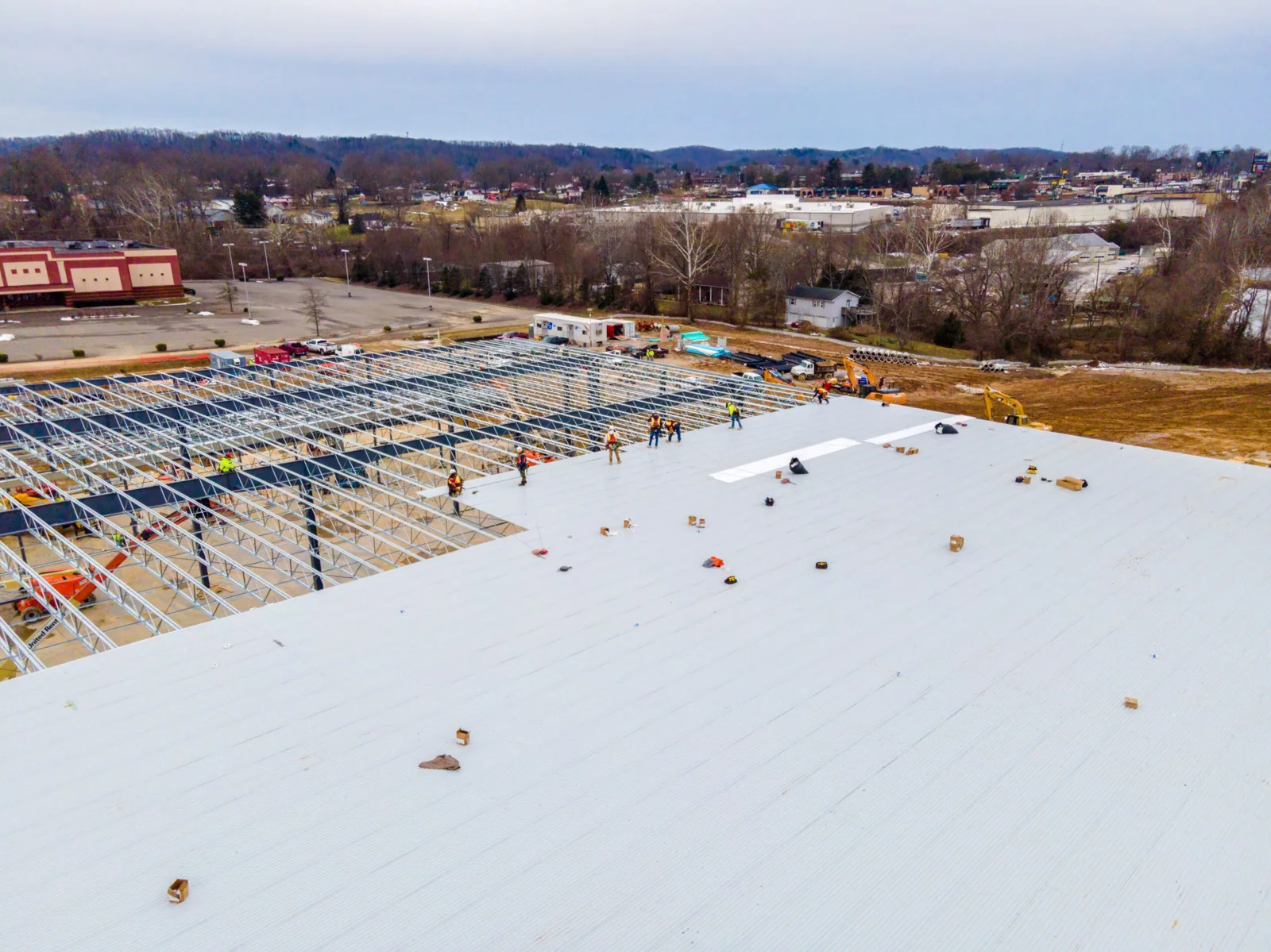
What must happen before the resin work begins?
Review the surface that the permanent flashing will meet. Locate earlier coating, loose material, unsuitable patching and supporting defects at the affected area. Define treatment or removal needed before the selected system is applied. We would develop preparation through the actual product instructions and examined construction, keeping it distinct from the installation of the reinforced membrane.
A flashing preparation review should identify the final component shape and the existing material around it. Examine the backing where damage or alteration affects that connection. If another party must finish a component repair, locate its task and the condition required before our permanent work proceeds.
Separate a surface-preparation decision from uncertainty about hidden material. Where the retained layer condition needs investigation, define the affected position and purpose. New liquid flashing should not conceal an unresolved supporting question that the repair was intended to address. The owner should understand what examination remains before the permanent detail is finalized.
Compare a requested Johns Manville repair option through its own selected construction. State the removal, preparation and detail work each proposal includes. We explain a changed material connection or supporting task so the owner can evaluate the actual scope behind the alternate selection.
How does the reinforcement follow the component?
Develop the reinforcement layout for the actual corner, pipe or transition. Review where the detail changes direction and meets retained roofing. Identify the selected format and the permanent application requirements. We would plan the construction around those positions rather than use a general resin quantity as the whole explanation of the repair.
At an altered penetration, establish the final component dimensions before the reinforcement arrangement is finalized. Review adjacent patches and the supporting face. A prepared detail should account for the shape being built today. An earlier pipe or curb configuration should not remain the crew's instruction after the replacement component changes its geometry.
For a requested detail review at Southeast Regional Library, confirm the assigned roof through its representative. Associate that roof with the building at 775 North Greenfield Road. We would examine the particular shape and adjoining materials there, then identify the selected reinforcement and preceding work within the permanent proposal.
Keep application instructions with the specified resin and reinforcement. Review the relevant project conditions before scheduling that permanent stage. A particular liquid system should be installed through its own requirements, with any unresolved preparation or component task completed first. The asset manager needs a developed sequence rather than an instruction to coat whatever surface is available.
What to Expect
Where does the reinforced repair end?
Locate the intended transition into retained roof material. Examine its condition and identify the permanent detail at that boundary. Separate the reinforced flashing area from any unrelated surface treatment or field-roof recommendation. The owner should be able to see which connection is being corrected and which construction is outside the included task.
A leak investigation finding should state the roof concern established at the examined position. Keep a reported interior symptom distinct from that finding. We develop the permanent flashing correction from the actual detail requiring work, with further investigation identified where the cause or supporting condition remains unresolved.
Consider a separately developed Sika Sarnafil connection option where another system is requested. Review the selected materials and actual boundary within that proposal. The comparison should explain what changes in the permanent detail rather than imply that different liquid or sheet products can be substituted into the same incomplete instruction.
Where exposure expands the repair, record the material condition and affected position before revising the work. Explain why its removal or supporting correction changes the boundary. That gives the owner a construction reason for the addition and preserves useful information about the area later covered by the permanent detail.
What should show that the detail was completed?
Identify the installed resin and reinforcement with the affected roof positions. Preserve useful preparation photographs and significant backing findings. Record changed component geometry and the permanent connection completed around it. A later assessment should be able to distinguish the new reinforced flashing from earlier surface repair material retained beside it.
For a requested SOPREMA project at Williams Field Road Commercial Area, establish the particular building with its representative. Review the assigned detail and current project information. Keep that designation in the written findings and installation account so the completed materials remain connected to the construction examined.
Review any supplied warranty documents and required coordination before altering the roof. Identify actions still needed under those particular terms. Keep additional roof recommendations separate from the completed flashing, giving the asset manager an understandable account of the permanent correction and the decisions that remain.
Questions Owners Ask
What components identify an ALSAN RS 230 FLASH proposal?
Name the selected PMMA resin and ALSAN RS Fleece reinforcement. Develop their preparation and permanent detail at the actual connection.
Why examine the component before selecting a pre-cut fleece format?
The final shape and adjoining materials determine the detail. A format listed for corners or pipes still needs to be developed for the particular construction.
How do supporting defects affect liquid flashing work?
Locate required backing or layer correction before permanent material covers the area. Separate that preceding repair from preparation of the exposed surface.
Where should a local SOPREMA flashing boundary be shown?
Identify the transition into retained roofing and the connection being corrected. Keep unrelated field treatment or later recommendations outside the included task.
Which records explain a completed reinforced detail?
Keep resin and reinforcement designations with roof positions and useful preparation photographs. Record changed supporting conditions and the final component arrangement.