
Roof Warranty Management in Gilbert, AZ
Home / Roofing Capabilities / Roof Warranty Management
When a roof leaks, the first warranty question is simple: which warranty, if any, covers that part of the roof? Many Gilbert buildings have more than one, from different installers and different years. Roof warranty management starts with the building and the documents you have. We inspect the roof where the problem is and explain the permanent repair. Questions about what the warranty terms mean go to the manufacturer or installer who issued it, not to us. A warranty certificate does not show every layer in the roof or which trade owns which piece of equipment. A facility manager needs the paperwork and the roof inspection kept together, and we never treat a warranty on file as proof the roof is in good shape.
For a warranty question at Southeast Regional Library, 775 North Greenfield Road, we would ask the facility contact for the documents and the roof area involved. A request at Gilbert Town Hall, 50 East Civic Center Drive, would start the same way with its own records. Kept in a roof asset management file, the warranty letters and inspection findings stay side by side, with open questions left for the issuer to answer.
Which warranty applies to this roof section?
Before treating a leak as a warranty claim, find the actual warranty document. Keep the issuer, warranty number, building address and stated dates together. Check which roof area it covers and whether installation or repair records back that up. One building can have sections roofed in different years by different contractors, and each may carry its own warranty, or none at all. The facility manager needs that sorted out before asking who is responsible for a particular leak.
A roof records review puts those documents in order and flags what is missing. Maintenance logs and past repair invoices are filed by roof location. If documents are missing, we ask the property manager or owner for them. A repair invoice can show where earlier work happened, but the warranty itself is what answers questions about coverage and the claim process.
Which dates matter? We note the dates printed on the warranty and any deadline or step the issuer gives in writing. We do not guess at a deadline the document does not state. The manager can then track each request and reply alongside the roof inspection.
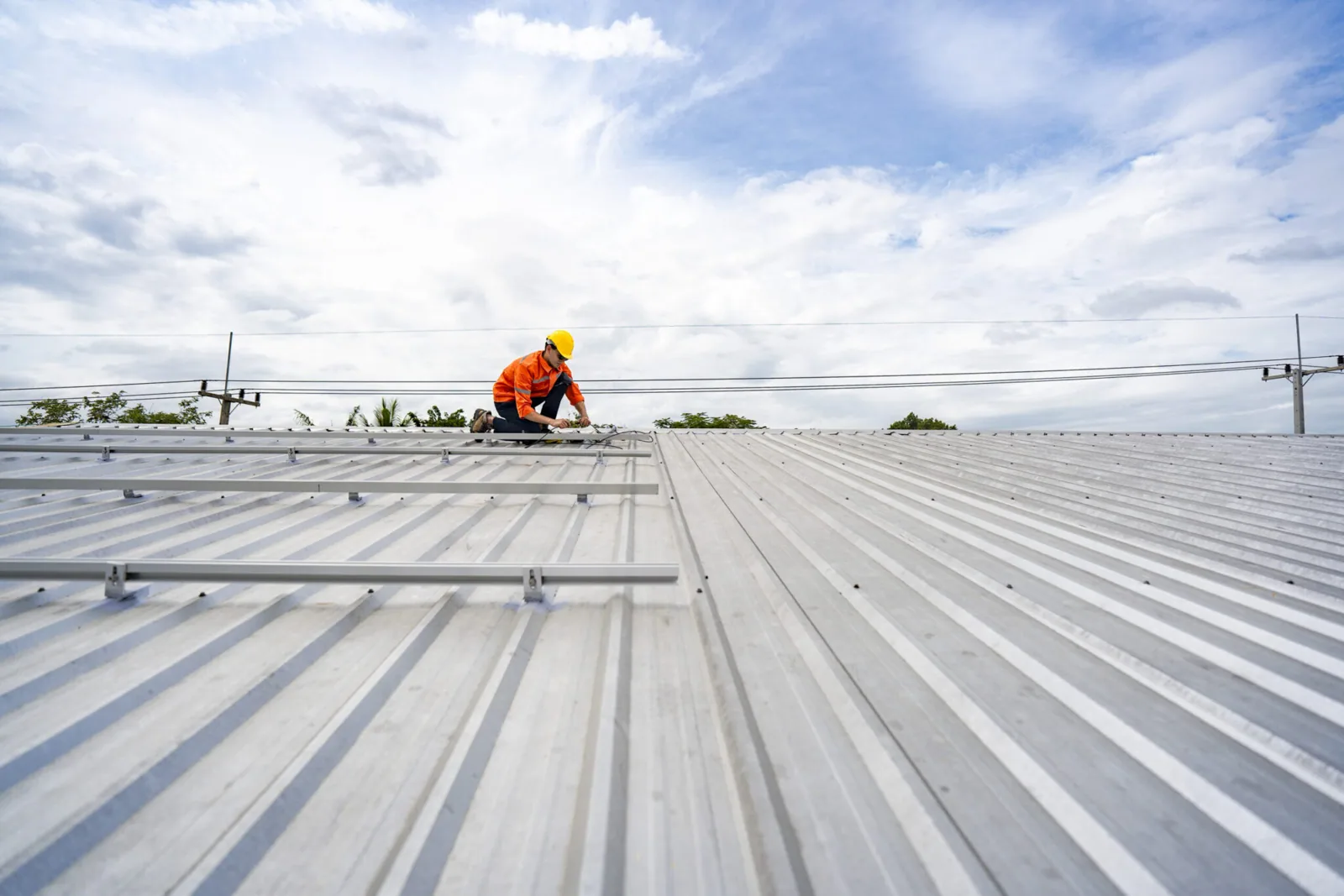
Get your roof warranty records sorted out
Tell us about the Gilbert building and send the warranty documents you have. We will inspect the roof where the problem is and explain, in writing, the repair we recommend and any warranty or prep questions still open.
Related Roofing Work
What do we inspect first?
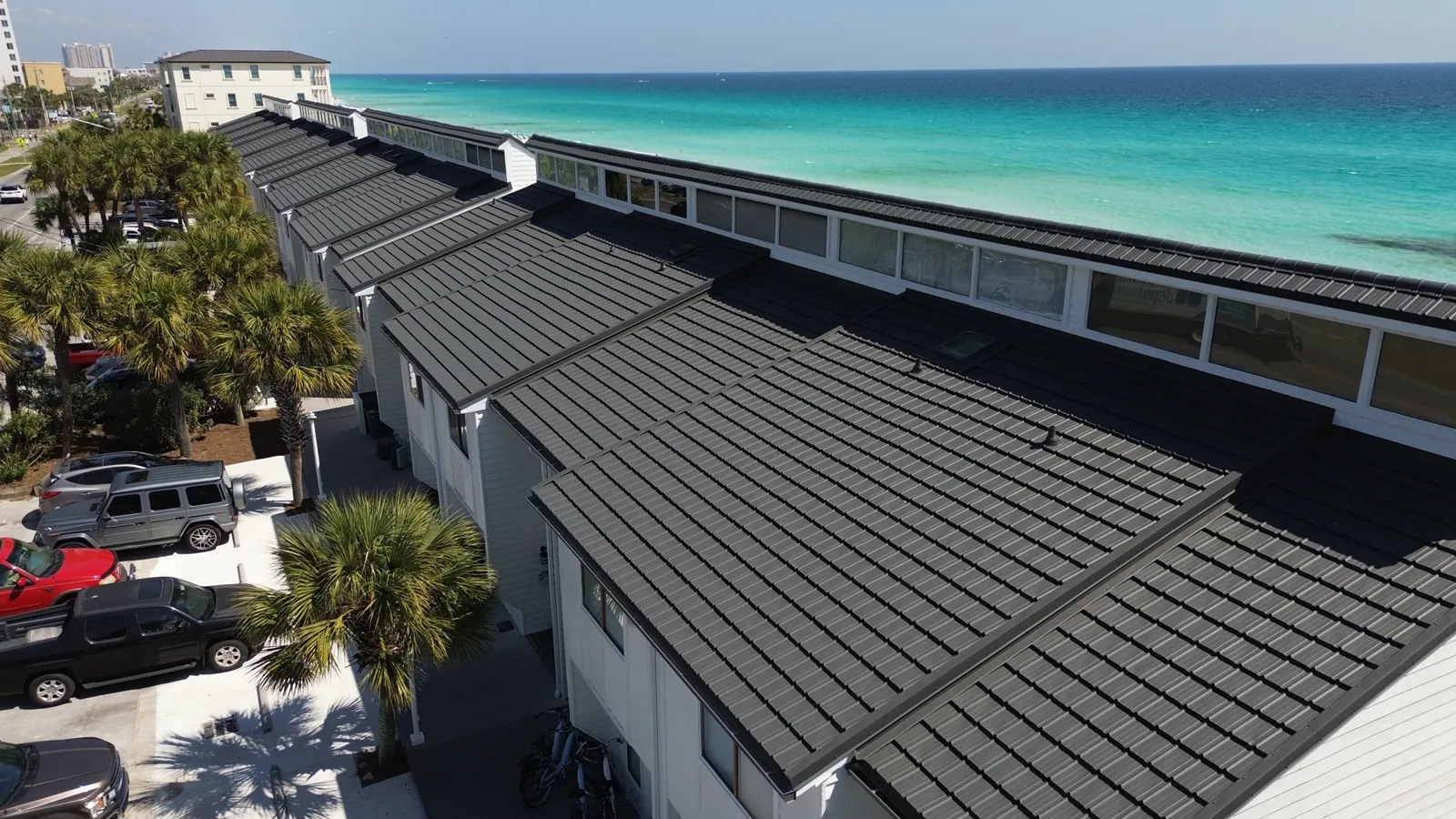
We start with the building, the roof section and the spot where the leak shows up inside. Any history the tenant or manager gives us goes in the file under their name. A water stain on a ceiling tile points us to an area but does not show exactly where water enters. We check the membrane, seams and flashing near the reported spot. What we find is kept apart from any opinion about who is responsible under the warranty. A failed seam can justify a repair even when its cause is unclear.
Our roof inspection notes the existing system wherever the repair depends on it. Two membranes can look alike and still need different repair methods, and some manufacturers require their own materials to keep the warranty intact. If we cannot confirm the product, we say what testing is needed. A test cut needs a clear reason and a plan to seal it, and the owner should see why it is in the scope.
Each photo names the roof section and detail shown. We describe only what the photo shows. A sound membrane nearby does not prove the backing underneath is dry, so that question stays next to the repair it affects.
Who decides the warranty question?
We send the warranty question to the issuer with a clear roof record: the building, roof area, reported leak, what we found, photos and any past repair history. We ask the manufacturer or installer which process applies under their warranty. The date sent, who received it and what was asked all go in the building file. That way the owner can see what has been asked and what is still waiting for an answer.
When the issuer replies, we file the response with its date and subject. If they ask for more documents or want their own inspector on the roof, we note the next step and who handles it. A reply about one repair applies to that repair only. We keep the issuer's position separate from our repair proposal, and the owner gets both without either one being stretched beyond what it actually says.
Before permanent work starts, we check whether the issuer has given any instruction that affects the repair. The repair still has to match the existing roof system and sound substrate. Warranty approval, the agreed scope and finished work are tracked as three separate steps, so it is always clear where things stand.
What to Expect
What will the repair fix?
The repair scope lists the membrane coming off and the existing roof that can stay. It shows where the new section ties into the old and what detail it rebuilds. The repair method has to match the existing system and the issuer's requirements. Prep work, like cleaning and priming a seam, is listed next to the material that needs it. A warranty document does not choose a compatible repair method for us. The owner should be able to see the work behind the price. If keeping a section depends on what is under it, that question stays in the scope.
Our roof repair estimate lists the tear-off and the finished tie-in at each edge. If new backing or insulation is part of the work, it is spelled out. Any equipment that has to be moved is handled by the mechanical contractor. If a support or curb change needs an engineer, we say so. We also explain what the surrounding surface needs to look like before we can finish the detail.
Larger options should be compared on equal terms. More membrane does not mean wall prep is included. A smaller repair cannot prove the roof beyond it is sound. Every scope should show where the work stops and what is still unknown.
How is an emergency repair recorded?
We record where a temporary repair went and why. The emergency work done is kept separate from the permanent repair still to come. We can respond to urgent leaks at night, on weekends and on holidays. The building contact tells us about access and any safety rules for that visit. Mechanical and electrical contractors handle their own equipment and shutdowns. A quick visit does not mean every one of those steps is in place.
Our emergency roof repair log keeps the temporary patch tied to its location. We file photos with the roof section they show. More testing may be needed before anyone decides to keep the existing roof in that area. A temporary patch does not settle a warranty claim or prove the layers below are dry. Warranty questions still go to the issuer, using the warranty document itself.
Once work begins, we may find conditions that change the size of the repair. When that happens, we mark the spot and list the extra work with a quantity. The change goes through the building's approval process. The area stays sealed while the owner decides, and an approved price is never treated as finished work.
What stays in the warranty file?
The original warranty and all correspondence stay with the finished repair record. The file shows the roof area repaired, the materials used and photos of the prep work. The approved scope and any changes stay with the findings that led to them. Open warranty questions and unfinished work by other trades are listed separately, each with its next step. A future facility manager can find the repair and follow the history without piecing it together from old emails.
Each building in the Cooley Station area keeps its own warranty documents. If a new leak appears, we look at the current finding alongside the earlier repairs. Warranty questions go back to the issuer named on the document. The building file keeps that thread easy to follow while the roof inspection sets the repair.
Questions Owners Ask
What should the facility manager gather for a warranty review?
The building address, the warranty document itself, installation records and any past repair invoices. Let us know which documents are missing rather than assuming another building's warranty applies here.
Does a warranty prove the roof is in good condition?
No. A warranty describes coverage terms, not the condition of the layers under the membrane. We inspect the roof, note anything we could not confirm, and base the repair on what we actually find.
How should a reply from the manufacturer be filed?
With its date, who sent it and what it is about. Open questions stay marked as pending, and the reply is kept separate from our repair proposal. A reply about one repair is not applied to parts of the roof it does not mention.
Why keep emergency repairs separate from the permanent scope?
Because a temporary patch only stops water at one spot. We record where it went and why, then list the testing and permanent work still needed. A patch does not prove the roof below is dry or decide a warranty claim.
What goes in the record when the repair is finished?
Photos of the finished tie-ins and prep work, the approved scope and any changes with the findings behind them. Warranty correspondence and unfinished work by other trades are listed separately for the next review.