
Due Diligence Roof Surveys in Gilbert, AZ
Home / Roofing Capabilities / Due Diligence Roof Surveys
A buyer or lender reading a roof survey wants to know one thing: how much can I trust this? The honest answer depends on what the survey was asked to answer and how much of the roof we actually reached. A due diligence roof survey in Gilbert records the condition of the membrane, flashing, drains and edges we inspected, and it says plainly which areas we could not get to. Those unseen areas are not assumed to be fine. Each finding is tied to a recommended repair or a further test, so an asset manager can see which numbers are firm and which are still estimates before putting a roof cost into a deal. The goal is a report that stays useful after closing, not just on the day of the walk.
If we were asked to survey Gilbert Town Hall at 50 East Civic Center Drive, we would first agree on the roof areas, the records available and the decision the survey supports. The same goes for Southeast Regional Library at 775 North Greenfield Road. Folded into a roof asset management file, the photos and findings stay ready for the next review.
What decision does the survey support?
The first question is what the survey is for. An acquisition review usually needs current problems and likely repair or replacement costs laid out before the buyer agrees on a roof number. A planned renovation may need to know which roof sections can stay and which need testing first. A refinance may only need a general condition rating with the main risks called out. We write the purpose at the top of the report, next to the buildings and roof sections covered, so the reader can judge whether the survey answers their question or just describes the roof in general terms.
Our roof condition report lists what we observed and what limited the survey. We ask the seller or property manager for installation records, warranty documents, maintenance logs and repair invoices, and we note which roof area each one covers and where the history has gaps. Old paperwork is useful context, but it cannot confirm that hidden layers are unchanged today.
We agree on the survey limits before the visit: which roofs we can reach, which problems have been reported and whether test cuts are allowed. If a locked hatch or a tenant restriction keeps us off an area that matters to the deal, the report says so and explains what it would take to inspect it.
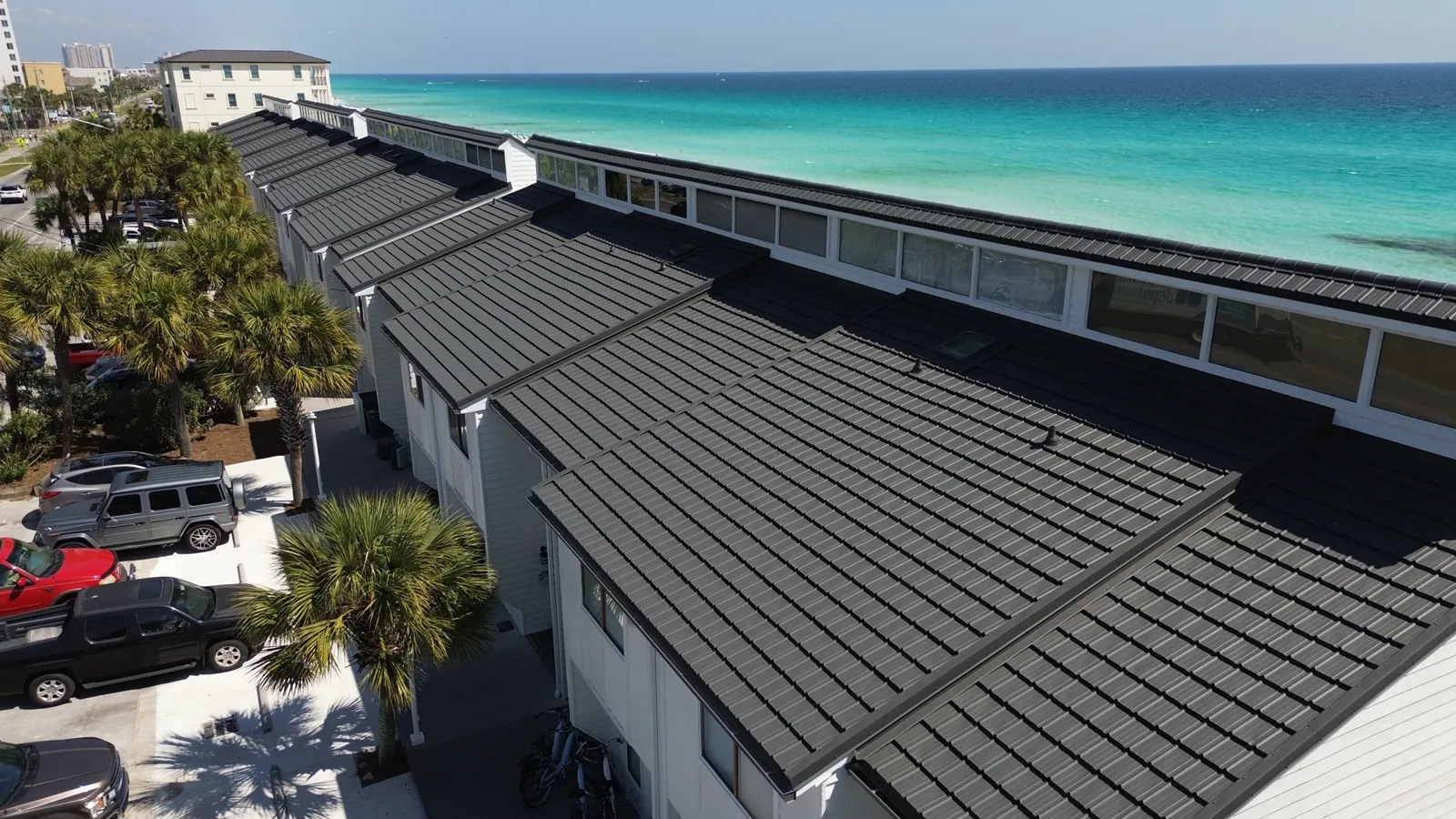
Order a roof survey for your Gilbert property
Tell us about the Gilbert property and the decision the survey needs to support. We will inspect the roof areas we can reach and deliver a written report with findings, recommended repairs and anything still needing testing.
Related Roofing Work
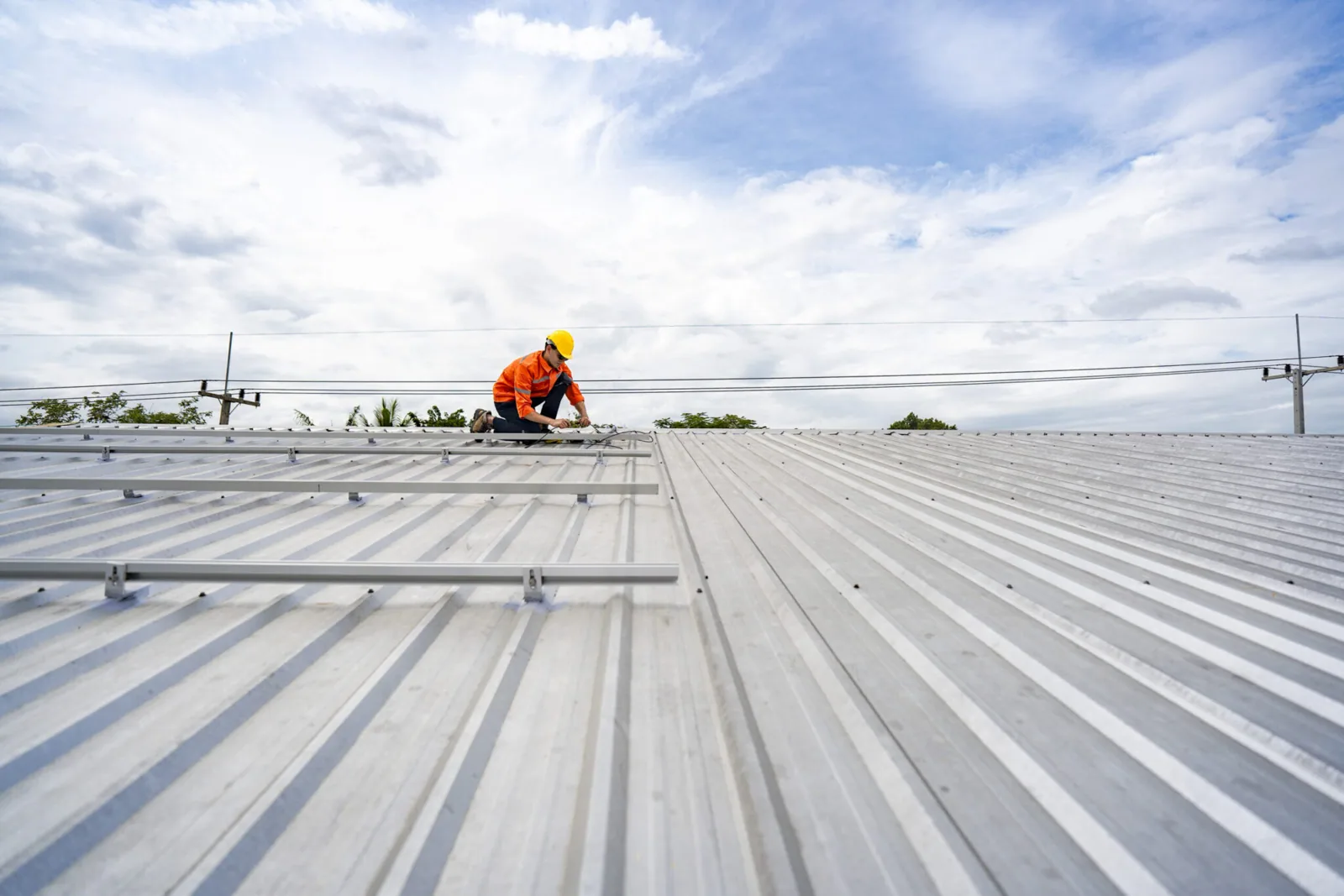
Which findings come from the roof itself?
Every finding in the report is tied to a spot on the roof plan: a split seam at the northeast curb, ponding at a drain, loose coping on the south parapet. We describe the membrane and details we actually reached. Interior leak reports from tenants are recorded separately, under their source. They point us to where to look but do not prove where water enters. A loose flashing may justify a closer look without telling us what caused it, and we say so plainly. The reader needs to know what each finding means for the building, not a guess about storm history.
Our roof inspection identifies the existing roof system wherever a repair would depend on it. TPO and PVC can look alike and need different repair methods, so if we cannot confirm the material at a detail, we note what testing would settle it before we recommend keeping that section.
Every photo gets a location and a reason. A wide shot shows where a roof section sits. A close-up supports the condition visible in it, nothing more. Clear captions let a lender or a later buyer follow our reasoning without reading more into a photo than it shows.
Where could more testing change the answer?
Some decisions hinge on what is under the membrane. Wet insulation, a rusted deck or failing fasteners can be the difference between a repair and a full tear-off. The report names the hidden condition that matters and explains what the survey could not confirm. If we recommend a test cut, we say where it goes, what it checks, and how it will be sealed. One test cut does not prove the condition of the whole roof, and the report makes that limit clear wherever an option relies on it.
An infrared moisture survey can map likely wet areas across a large roof, especially on a clear night after a hot Gilbert day. Thermal readings show patterns, not certainty, so core samples are still needed where the keep-or-replace decision depends on them. We report those results separately from any general replacement recommendation.
Test cuts above occupied space need to be cleared with the tenant or building manager first. They tell us about equipment, ceilings or stock below. We explain how much we open and how we close it. A survey request alone does not give anyone permission to cut into a tenant's roof.
What to Expect
What does each cost number cover?
We sort findings into plain categories. A specific defect, like a split seam or a cracked pipe boot, may need a defined repair. Clogged drains or worn sealant may need routine maintenance. Widespread wet insulation or an aging membrane may raise the question of recover or replacement, which usually needs more testing. Each item names the roof area, the recommended action and the evidence behind it. That way a buyer can see the difference between a small fix and a large project before rolling everything into one roof figure for the deal.
A roof repair line explains what comes off, what stays and how the new membrane ties in. Any related curb or wall work is listed with it. For a larger option, we list the extra layers and details included. Comparing two scopes by roof area alone can hide big differences in what each one actually covers.
Some items stay open: untested layers, an unconfirmed roof system, or prep work that belongs to another trade. We keep each next to the option it affects and mark early budget numbers as budget numbers, separate from a firm scope. More testing can change the tear-off area and the cost, and the asset manager should know exactly which question could move the price.
How are open items carried forward?
Areas we could not reach and questions about hidden layers stay in the written report, each with a note on why it matters. If a roof repair depends on another trade first, such as resetting a rooftop unit, that dependency is listed next to the roof detail. A price in the report does not mean the work was done. The reader should be able to tell what has been inspected, what has been priced and what is still waiting, so those items do not get lost when the report moves to the next team.
If a later tear-off turns up conditions different from what the survey assumed, we mark the location, photograph it and explain the added work with a quantity and price. That change goes through whatever approval process the owner has set, and the opening stays sealed while it is reviewed. Permanent work continues once the deck and insulation are sound and the change is approved.
For urgent leaks, we can respond on holidays, weekends and overnight. We note where the temporary repair went and what it is for. A permanent fix or more testing may still be needed, and an emergency visit does not expand what the original survey covered.
What can a later reader rely on?
The final report should make the decision easier. It keeps the located findings, photos and the records we used. It lists each recommended repair, the evidence behind it and any testing still open. Every unanswered question stays tied to its roof area with a note on why it matters for the options being weighed. A buyer, lender or property manager can see what supports a decision today and what still needs inspection or an answer from someone else.
Each property in the McQueen-Elliot Industrial Area gets its own report. If later findings change a recommendation, we keep the earlier survey and add the new evidence next to the revised scope, so nobody treats one limited walk as the final word on the whole roof.

Questions Owners Ask
What should we tell you when ordering a survey?
The property, the decision the survey supports and which roof areas matter most. Send any installation, warranty and repair records you have. If some areas will be locked or off-limits, tell us up front so the report can mark them.
How do you separate what you saw from what we were told?
Findings from the roof are recorded by location with photos. Tenant reports and old records are listed under their source. Where the evidence does not show a cause or a hidden condition, the report says it is unconfirmed.
Why would you recommend a test cut?
Because a hidden condition, usually wet insulation or a damaged deck, decides whether a section can stay or must be replaced. We say where the cut goes, what it checks and how it gets sealed, and we do not stretch one sample across the whole roof.
Does the survey price include work by other trades?
No. If a roof repair depends on another trade, such as resetting a rooftop unit or rebuilding a parapet wall, we list that work and who handles it next to the roof item. A scheduled visit or approved price does not mean that prep work is done.
Is the survey still useful after closing?
Yes. It keeps the located findings, the records used and the basis for each cost, with open questions and unfinished work listed separately. The next owner or manager can pick up from there without assuming the first walk saw everything.