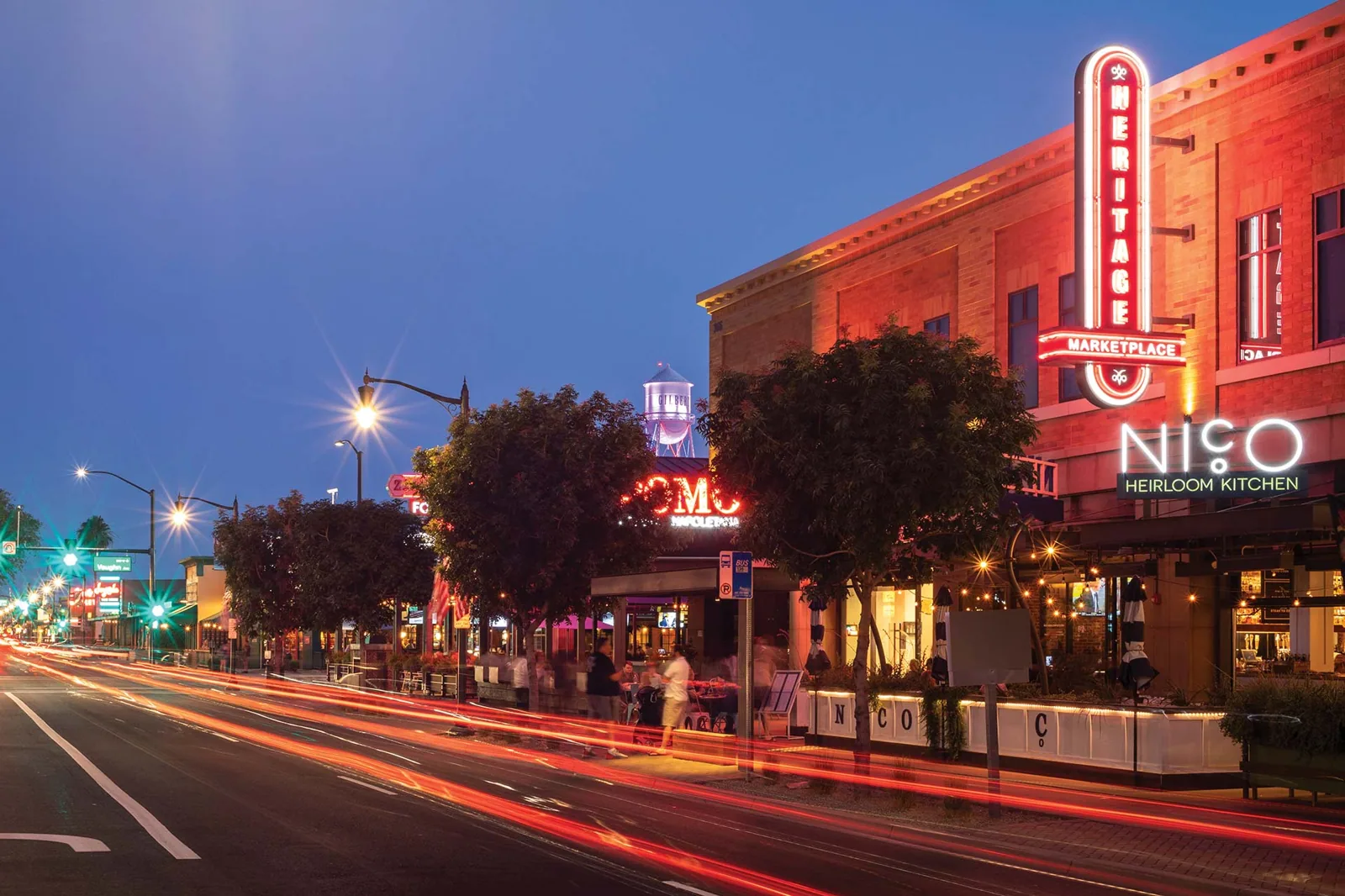
Auto Dealership Roofing in Gilbert, AZ
Home / Property Types We Roof / Auto Dealership Roofing
Before a dealership owner approves roofing, the estimate should show where the crew will work and how the roof will be reached. A material price alone does not explain a delivery route, the position of lifting equipment or the protection required beneath removal. We develop those details around the inspected building and the owner's instructions. That preparation helps the owner compare proposals that would otherwise describe similar roofing while leaving very different construction tasks out of the price.
Our auto dealership roofing work in Gilbert, AZ, begins with that practical account of the building. Earnhardt Hyundai San Tan gives its address as 3252 South Auto Way, and AutoNation Chevrolet Gilbert lists 3215 South Auto Way. For an assignment at a dealership, we confirm the precise roof area and the owner's contact for work arrangements. We ask which entrances, vehicle routes and interior spaces need attention during the proposed stage, then show how those requirements affect the roofing plan.
What is included in the work area?
A roof drawing can show more than the replacement boundary. We mark the proposed access point, material staging position and removal area. If lifting or demolition would pass above vehicles or an entrance, the owner needs to know before the work is scheduled. We discuss relocating exposed items and establishing the necessary separation from people below. The approved arrangement should be practical for the crew to follow and clear enough for the property contact to communicate.
A dealership may have different requests for different parts of its building. We ask the owner to identify those spaces rather than treating the whole property as one uninterrupted work area. The same principle informs big-box retail roofing and office building roof work: describe the specific work above occupied space and obtain the actual operating instructions. Near Williams Field Road Commercial Area, we confirm the property's address and access approach when arranging the visit.
Review the roof scope before approval
Bring the roof findings or describe the reported leak. We can inspect the building and explain the construction and work arrangements behind the recommendation.
Related Roofing Work
What is causing the water entry?
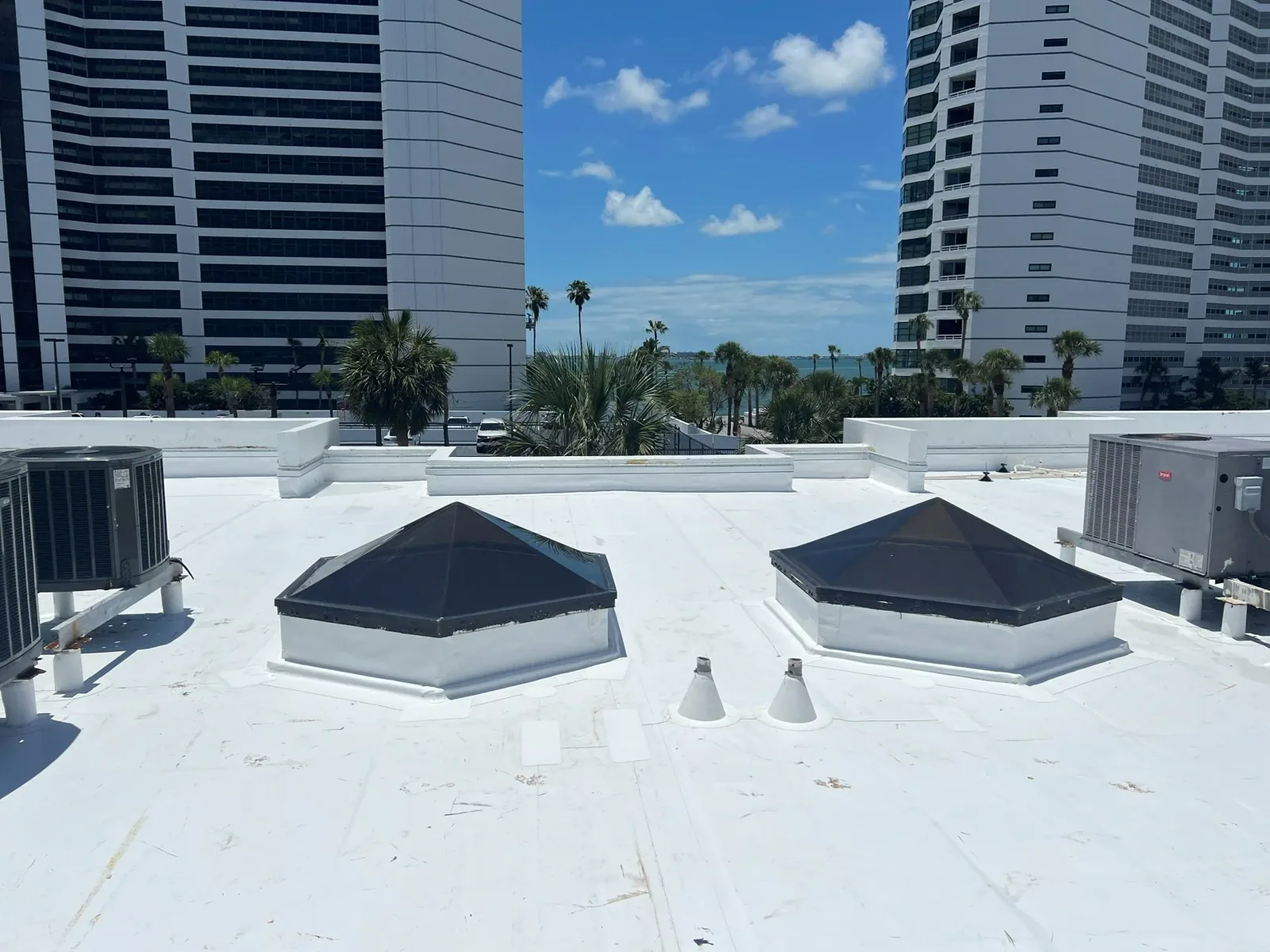
The first inspection distinguishes roof defects from equipment and wall issues that need separate attention. We examine the membrane or panels, flashings and drainage in relation to the reported interior water. The nearest ceiling mark may not identify the exterior opening. We document signs of water travel and explain any additional investigation needed before the repair location is settled. A commercial roof inspection should provide those observations in writing, with photographs positioned on the roof plan.
Where equipment is involved, the owner should receive a clear division of responsibilities. Roofing repairs the specified waterproof detail; an equipment contractor may need to check an internal leak, prepare a unit or address its connection. We identify which question remains with that contractor and whether its work must precede roofing. This prevents a proposal from treating every water report as a membrane defect and leaves the owner with a way to resolve the full problem.
What will the repair attach to?
A new flashing must be secured to sound construction. We examine the material supporting the failed detail and describe what has to be removed to reach it. At a wall, that may include loose facing or a damaged fastening surface. Around a curb, we check the inspected base and the adjoining roof material. The repair scope should explain any substrate work needed before replacement flashing is installed, with the responsible contractor named where the task extends beyond roofing.
For commercial leak repairs, the owner should see the preparation, attachment and finished connection rather than a general instruction to seal the area. If TPO roofing is present, the proposed repair materials and welding preparation must suit that actual assembly. We also describe how exposed construction will be protected if work cannot be completed in one stage. An estimate becomes more useful when those construction steps are visible before approval.
What to Expect
Does the roof need a larger project?
Several isolated defects can still support separate repairs, while deteriorated roofing or confirmed moisture below a broader area may justify renewal. We explain the observed condition and the extent of investigation behind the recommendation. The owner's previous repair records can help identify recurring locations, but they do not replace examination of the present roof. When sampling is needed, findings should show the positions tested and the limits of what those samples establish.
A proposal for commercial roof replacement should identify removal, the deck preparation allowed for, insulation and the finished system. The owner should also know how the replacement affects curbs, edge details and drainage. We explain the difference between confirmed work and an allowance for damage that can only be measured after removal. If an alternative is proposed, compare the resulting construction and its unresolved conditions instead of comparing only the square-foot price.
How will the stages be handed back?
A stage plan should identify what can be left exposed, the protection provided and who checks it before the crew leaves. We discuss noise, odor and any equipment preparation with the owner before opening the roof. When the proposed work needs an interior area cleared or an entrance separated from construction, those arrangements should be tied to that stage. They should also have a contact who can authorize a change when the actual work area differs from the plan.
For roof replacement over occupied space, completion includes a clear release of the affected area. We record finished roof details, remaining supporting tasks and recommended follow-up. The owner can then see which area is complete and which still needs another contractor's work. Closeout photographs and the approved scope give the next inspector a useful starting point, particularly when several roof areas are repaired on different dates.
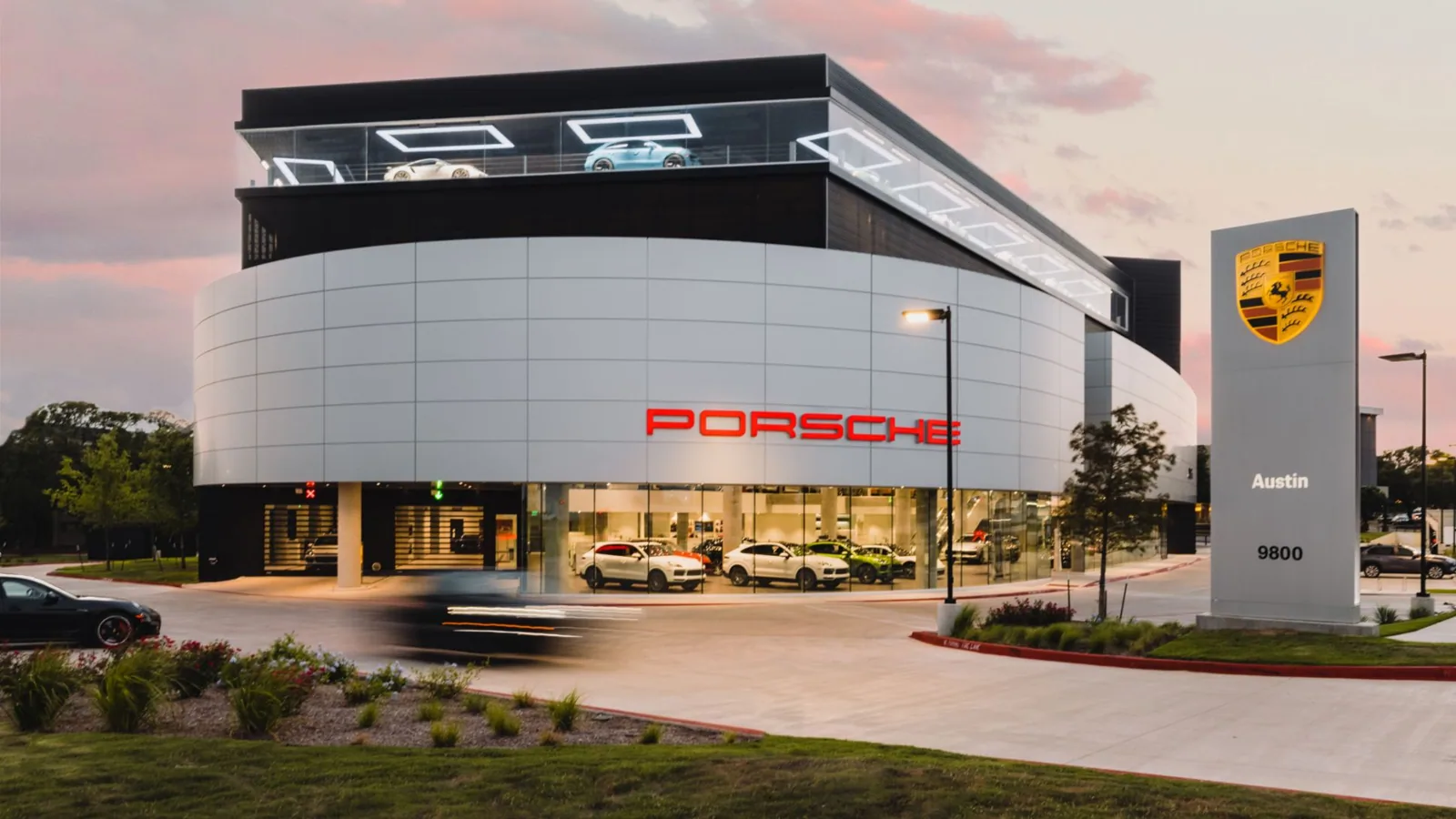
Dealership roof work should account for showroom glazing, service bays, parts storage and the vehicle display area surrounding the building. Confirm where customer and delivery traffic will move while materials are staged, and identify the facility contact for service equipment or exhaust penetrations. Distinguish roof work from signs, rooftop units and electrical equipment handled by another trade. If a phased repair passes over active sales or service spaces, describe the protection and daily closure so the owner can assess the operating impact as well as the construction price.
Review the proposed boundaries with the service manager and mark overhead clearances before agreeing on the delivery and protection plan.
Questions Owners Ask
Can roofing continue while the dealership is open?
We first discuss the proposed work area, access and protection with the owner. The permitted stages depend on those arrangements and the construction required. The scope should identify any area that must be cleared or separated before work starts.
How do you distinguish equipment leaks from roof leaks?
We compare the reported water with exterior roof details and equipment connections. Where the cause involves the unit or its internal plumbing, we identify the additional equipment inspection needed alongside any confirmed flashing repair.
What should I ask before approving a patch?
Ask where the failed detail is, how much material will be removed and what the replacement will attach to. The price should also explain supporting repairs and protection for the space below.
Can the project be divided into roof areas?
We can describe separate areas when their condition and the proposed construction support that approach. Each stage needs a complete weatherproof boundary, defined work preparations and a record of the area completed.
Why do two replacement prices differ?
Check the removal, deck allowances, insulation, flashings and work arrangements included. A lower total may leave necessary tasks to others. We explain those differences against the inspected roof so the owner can compare the resulting scope.